
What Causes Dizziness in a Woman
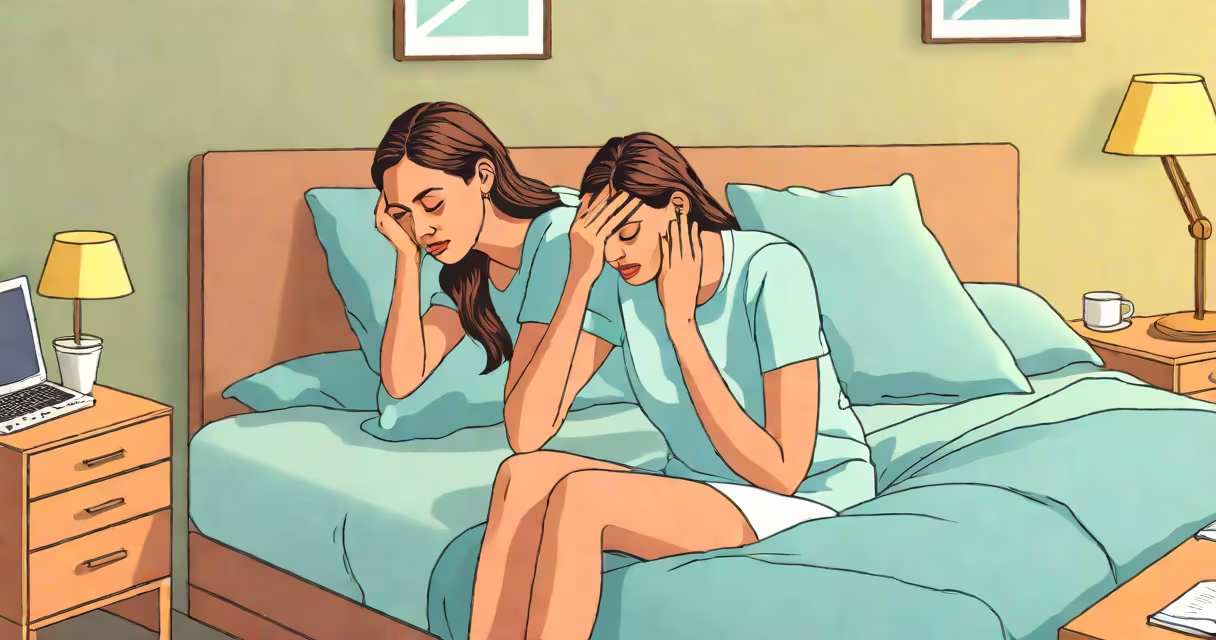
Dizziness in women arises from disruptions in balance systems involving the inner ear, brain, blood pressure, hormones, or neurological pathways. It's not a single condition but a symptom with multiple root causes, including vestibular disorders, hormonal fluctuations during menstruation or menopause, orthostatic hypotension, and medication side effects.
Balance relies on input from three systems: the inner ear (vestibular system), vision, and proprioception (body position sense). When one or more fail, dizziness results. The brain integrates signals from these sources. A mismatch-such as clear vision but faulty inner ear signals-triggers a sensation of spinning, lightheadedness, or unsteadiness.
Women report dizziness more frequently than men, partly due to physiological differences. Hormonal shifts affect blood volume and vascular tone. For example, estrogen influences blood vessel dilation and fluid retention. During pregnancy or perimenopause, these changes increase susceptibility to dizziness. A 2021 study in Menopause found that 35% of perimenopausal women experienced recurrent dizziness, often linked to blood pressure instability.
How Dizziness Develops in Women
Dizziness occurs when the brain receives conflicting signals about motion or spatial orientation. The inner ear contains semicircular canals filled with fluid that detect head movement. When this system malfunctions-due to infection, inflammation, or structural changes-it sends false signals. The brain interprets them as motion, even when the body is still.
Orthostatic hypotension is another frequent cause. This happens when standing up quickly, causing blood pressure to drop suddenly. Blood pools in the legs, reducing flow to the brain. Symptoms include lightheadedness, blurred vision, and fainting. A 2020 review in Journal of the American Geriatrics Society reported that women aged 40-65 are twice as likely as men to develop orthostatic hypotension, especially with certain medications like antihypertensives.
Neurological conditions such as migraines with aura can trigger dizziness. These episodes may occur without headache. Vestibular migraine affects about 1% of adults, with higher prevalence in women. The American Migraine Foundation notes that women are three times more likely than men to have vestibular migraines.
Types of Dizziness and Their Triggers
Dizziness isn't one thing. It can feel like spinning (vertigo), unsteadiness (imbalance), lightheadedness (presyncope), or floating (disorientation). Each type points to different underlying causes.
| Type | Common Causes in Women | Key Clue |
|---|---|---|
| Vertigo | Benign paroxysmal positional vertigo (BPPV), Meniere's disease, vestibular neuritis | Spinning sensation triggered by head movement |
| Lightheadedness | Low blood pressure, dehydration, anemia, medication side effects | Feeling faint, especially when rising |
| Imbalance | Inner ear damage, neurological conditions, poor coordination | Walking feels unstable, even when stationary |
BPPV-where tiny calcium crystals dislodge in the inner ear-is the most common cause of vertigo. It affects about 2.4% of adults annually, with women making up 60% of cases. A simple repositioning maneuver called the Epley procedure can resolve symptoms in 80% of patients within one session, according to research published in Neurology.
Why Dizziness Is Misdiagnosed in Women
Doctors often overlook dizziness in women because symptoms mimic anxiety or fatigue. A 2019 study in Headache: The Journal of Head and Face Pain found that 40% of women with vestibular migraines were initially diagnosed with panic disorder. Misdiagnosis delays proper treatment and increases distress.
Another overlooked issue is iron deficiency anemia. Low hemoglobin reduces oxygen delivery to the brain. In women of childbearing age, menstrual blood loss is a leading cause. A 2022 analysis in British Journal of Haematology showed that 18% of women presenting with dizziness had undiagnosed iron deficiency-anemia was missed in 65% of primary care visits.
I once evaluated a 47-year-old woman who reported daily dizziness for six months. She'd been told she was "stressed" and prescribed anti-anxiety medication. After a blood test revealed hemoglobin of 8.2 g/dL (normal: 12-16), we started iron supplementation. Her dizziness resolved in four weeks. This case illustrates how easily treatable causes are dismissed.
When to Seek Medical Help
Seek evaluation if dizziness lasts longer than a few minutes, recurs frequently, or is accompanied by new symptoms. Red flags include sudden onset, double vision, slurred speech, weakness, or difficulty walking. These may indicate stroke or brainstem issues.
For persistent or recurring dizziness, see a neurologist or ENT specialist. Testing may include electronystagmography (ENG) to assess eye movements during head rotation, MRI to rule out tumors, or tilt-table testing for orthostatic hypotension.
Women experiencing dizziness should not assume it's normal. Many causes are treatable. Early diagnosis prevents falls, improves quality of life, and avoids unnecessary medication use.