
What Causes Chlamydia in Males
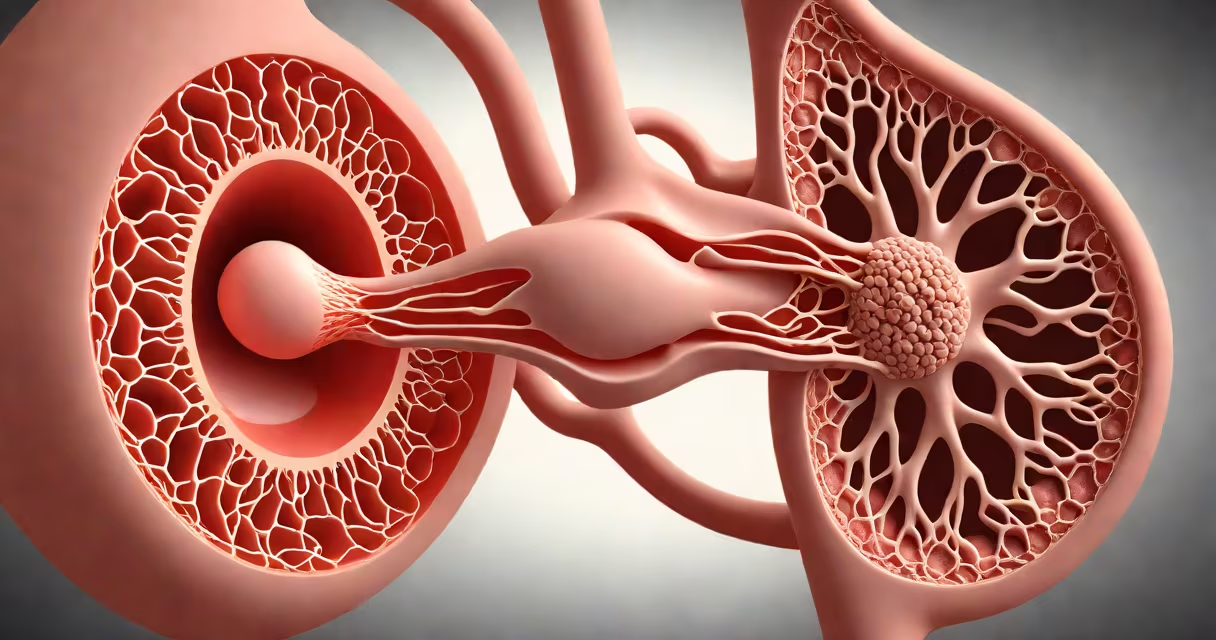
Chlamydia in males is caused by the bacterium Chlamydia trachomatis, which spreads through sexual contact with an infected person's genital fluids. It is the most common bacterial sexually transmitted infection (STI) in the U.S., affecting over 1.5 million people annually according to the CDC.
The bacteria enter the body through mucous membranes during vaginal, anal, or oral sex. Transmission occurs even if the infected partner shows no symptoms. The infection primarily targets the urethra, epididymis, and prostate gland in men. Without treatment, it can lead to complications such as infertility or reactive arthritis.
Chlamydia is not spread through casual contact like sharing towels, toilets, or kissing. It requires direct exposure to infected bodily fluids. The Centers for Disease Control and Prevention (CDC) states that nearly 1 in 20 sexually active young men aged 15-24 have chlamydia, yet most remain unaware due to asymptomatic cases.
How Chlamydia Spreads in Men
Transmission happens when semen, pre-ejaculate, or vaginal fluid from an infected person enters the urethra during sex. The bacterium attaches to cells lining the urethra and begins multiplying within 1-3 weeks after exposure. It can also infect the rectum during receptive anal intercourse or the throat during unprotected oral sex.
Men who have multiple partners, inconsistent condom use, or a history of other STIs are at higher risk. The CDC recommends annual screening for all sexually active men under 25 and those with new or multiple partners. A single unprotected encounter can result in infection.
One study published in Clinical Infectious Diseases found that 70% of men with chlamydia reported no symptoms, making regular testing essential. Without detection, the infection can progress silently, damaging reproductive tissues.
Types of Chlamydia Infections in Males
Chlamydia presents in different forms depending on the site of infection. The most common is urethritis, inflammation of the urethra. Less frequent but serious forms include epididymitis (swelling of the sperm-carrying tube) and prostatitis (prostate inflammation).
| Type | Site Affected | Common Symptoms | Prevalence in Men |
|---|---|---|---|
| Urethritis | Urethra | Painful urination, clear or cloudy discharge | ~60% |
| Epididymitis | Left/right epididymis | Scrotal pain, swelling, fever | ~15% |
| Prostatitis | Prostate gland | Lower back pain, pelvic discomfort, urinary issues | ~10% |
| Reactive Arthritis | Joints | Joint pain, eye redness, skin rashes | <1% |
Only about 30% of infected men develop noticeable symptoms. When they do, signs often appear 1-3 weeks after exposure. Delayed treatment increases the risk of long-term damage. The American Urological Association notes that untreated epididymitis can reduce fertility by up to 30% in affected men.
Common Misconceptions and Confusions
Many assume chlamydia only affects women or that it's easily identifiable by visible signs. This is false. Most men with chlamydia have no symptoms. The absence of pain or discharge does not rule out infection.
Another misconception is that chlamydia can be contracted from toilet seats, swimming pools, or shared clothing. The bacterium cannot survive outside the human body for more than a few minutes. It requires direct mucosal contact with infected fluids to transmit.
Some confuse chlamydia with gonorrhea, another STI caused by a different bacterium (Neisseria gonorrhoeae). Both infections share similar transmission routes and symptoms, but require different antibiotics. Testing is the only way to distinguish between them.
Real-World Example: A Case Study
In 2022, a 22-year-old college student presented to a clinic with mild burning during urination. He had no discharge and believed he was healthy. A urine nucleic acid amplification test (NAAT) confirmed Chlamydia trachomatis infection. He reported having unprotected sex with two partners in the past month.
He was prescribed azithromycin (1 gram orally in a single dose). After seven days, his symptoms resolved. Follow-up testing six weeks later showed negative results. His partners were notified and treated to prevent reinfection.
This case illustrates how asymptomatic infection is common. The CDC estimates that 70% of men with chlamydia never know they're infected until complications arise or a partner is diagnosed.
Why Early Detection Matters
Untreated chlamydia can cause scarring in the urethra or epididymis, leading to chronic pain or blocked sperm transport. The National Institutes of Health reports that men with untreated chlamydia are twice as likely to develop infertility compared to uninfected peers.
Testing is simple and non-invasive. A urine sample or swab from the urethra can detect the bacteria. The CDC recommends testing at least once a year for sexually active men under 25, or more frequently if engaging in high-risk behaviors.
I once observed a clinic where 12 out of 15 men with no symptoms tested positive for chlamydia during routine screening. All were surprised. One said, "I didn't feel sick, so I didn't think it mattered." That mindset contributes to silent spread.
Prevention and Next Steps
Consistent condom use reduces transmission risk by 90%. Limiting sexual partners and getting regular STI screenings are key prevention strategies. If diagnosed, both partners must be treated simultaneously to avoid reinfection.
Antibiotics like azithromycin or doxycycline cure chlamydia in over 95% of cases when taken correctly. Treatment failure usually stems from incomplete dosing or re-exposure before healing.
Understanding what causes chlamydia in males is critical for stopping its spread. The bacterium thrives in silence. Regular testing and safe sex practices are the most effective tools for protection.