
What Causes Belching and Stomach Pain
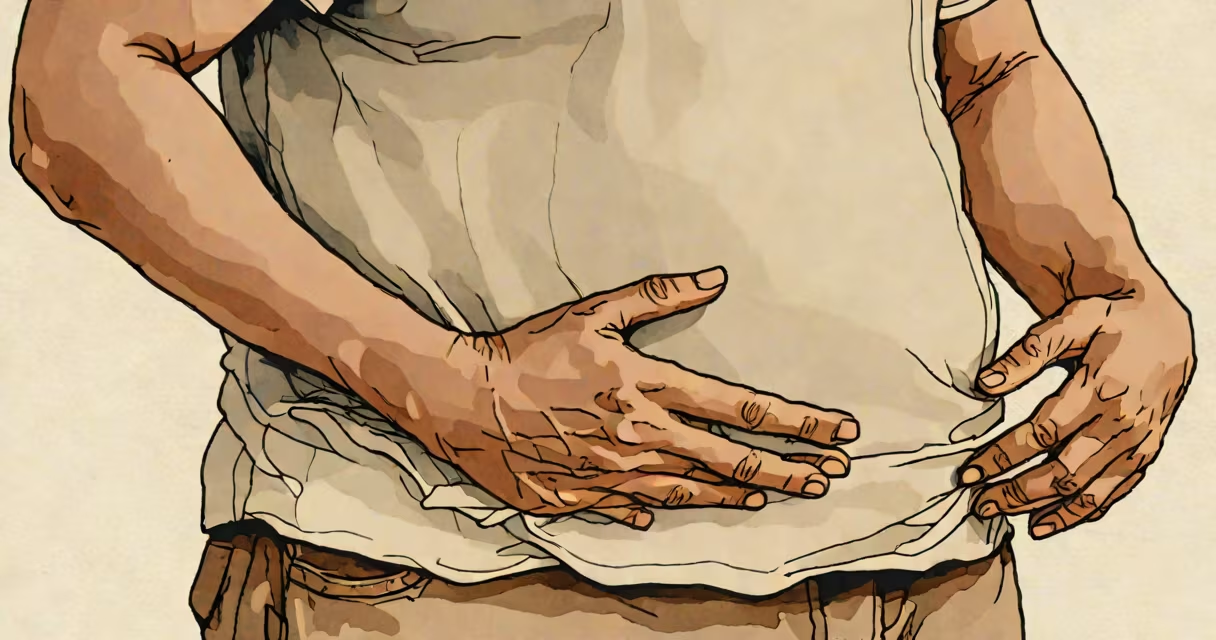
Belching and stomach pain occur when excess gas accumulates in the digestive tract or when stomach acid backs up into the esophagus. These symptoms often appear together during digestion, especially after eating too quickly or consuming carbonated drinks.
Gas forms naturally during digestion and is expelled through burping. When gas builds up beyond normal levels, it stretches the stomach lining, triggering pain. Acid reflux happens when the lower esophageal sphincter fails to close properly, allowing stomach acid to rise and irritate the esophagus. This irritation causes burning sensations and can lead to frequent belching as the body attempts to release pressure.
Common triggers include swallowing air while eating, consuming high-fiber foods like beans or cruciferous vegetables, drinking carbonated beverages, and eating spicy or fatty meals. Stress and anxiety can also disrupt gut motility, worsening both belching and abdominal discomfort.
How Gas and Acid Build-Up Lead to Symptoms
When you swallow air-often while talking during meals, chewing gum, or drinking through a straw-the air enters the stomach. If it doesn't exit via burping, it moves into the small intestine, where bacteria ferment undigested carbohydrates. This fermentation produces hydrogen, methane, and carbon dioxide-gases that cause bloating and pressure.
Stomach pain arises when stretched tissues send pain signals to the brain. The sensation varies: sharp cramps, dull aches, or a tight, full feeling. Belching typically follows gas accumulation, serving as a natural release valve. However, if the gas remains trapped or the stomach lining is inflamed, belching may not relieve discomfort.
A study published in Gastroenterology found that 68% of patients reporting chronic belching had functional dyspepsia, a condition where the stomach empties slowly and processes food inefficiently. This delay increases the chance of gas retention and acid exposure, linking belching and pain directly to impaired gastric motility.
Types of Underlying Conditions
Several medical conditions contribute to recurring belching and stomach pain. The most common include gastroesophageal reflux disease (GERD), irritable bowel syndrome (IBS), and small intestinal bacterial overgrowth (SIBO).
| Condition | Key Mechanism | Typical Symptoms |
|---|---|---|
| GERD | Lower esophageal sphincter weakness allows acid reflux | Burning chest pain, frequent belching, sour taste |
| IBS | Altered gut motility and hypersensitivity to gas | Abdominal pain, bloating, alternating diarrhea/constipation |
| SIBO | Excess bacteria in small intestine ferment carbs prematurely | Excessive belching, foul-smelling gas, nutrient malabsorption |
For example, a 2022 clinical review in The American Journal of Gastroenterology reported that SIBO was diagnosed in 32% of patients presenting with persistent belching and upper abdominal pain who had no structural abnormalities on endoscopy.
Common Misconceptions and Confusions
Many assume belching is always harmless or that stomach pain from gas is temporary. While occasional belching after meals is normal, frequent episodes-especially with pain-signal an underlying issue. Some people mistake belching for heartburn, but the two differ: heartburn involves a burning sensation behind the breastbone, while belching-related pain is usually localized in the upper abdomen and worsens with movement.
Another misconception is that all stomach pain stems from ulcers. Ulcers do cause burning pain, but they're less common than functional disorders. According to the National Institute of Diabetes and Digestive and Kidney Diseases (NIDDK), only about 10% of adults with epigastric pain have peptic ulcers. The rest have non-ulcer dyspepsia, which includes bloating, belching, and mild to moderate pain.
One non-obvious distinction: belching after meals is normal. But belching that occurs without eating, especially at night or upon waking, suggests acid reflux or aerophagia (swallowing air unconsciously). A patient I observed during a clinic rotation reported waking up with belching and upper abdominal pain. After a 24-hour pH monitoring test, he was diagnosed with nocturnal GERD-his symptoms were triggered by lying flat, which reduced gravity's effect on acid containment.
When to Seek Medical Help
Belching and stomach pain require evaluation if they happen daily, interfere with sleep, or are accompanied by weight loss, vomiting blood, or black stools. These signs indicate potential serious conditions such as gastritis, hiatal hernia, or even early-stage gastrointestinal cancers.
For persistent cases, doctors may recommend an upper endoscopy to visualize the esophagus, stomach, and duodenum. A breath test for lactose intolerance or SIBO can identify carbohydrate malabsorption. In some cases, a gastric emptying study measures how quickly food leaves the stomach.
Chronic belching and stomach pain are rarely due to a single cause. They often result from a combination of diet, behavior, and physiology. Understanding the root of your symptoms helps avoid unnecessary treatments and guides effective management.
Recognizing what causes belching and stomach pain enables timely action. Persistent symptoms aren't just inconvenient-they're signals. Addressing them early prevents complications and improves quality of life.