
What Is PCL in Knee
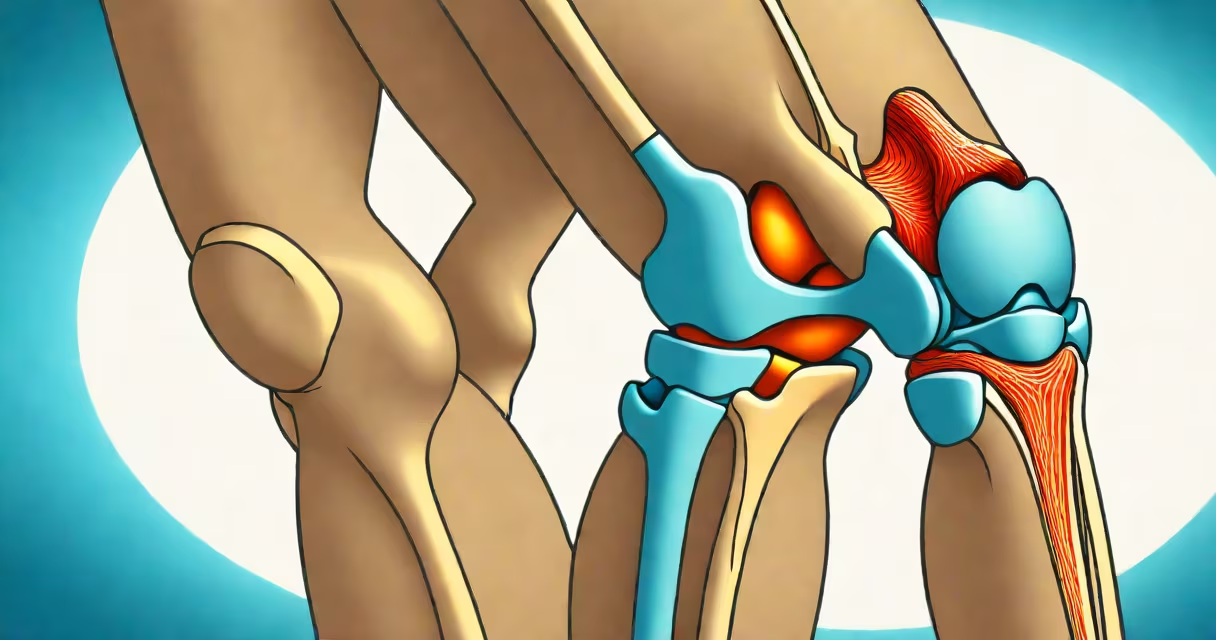
The PCL in knee stands for posterior cruciate ligament, a strong band of tissue that connects the femur to the tibia behind the knee joint. It resists posterior translation of the tibia and maintains alignment during weight-bearing activities.
Unlike the anterior cruciate ligament (ACL), which is more frequently injured, the PCL is less prone to damage due to its greater strength and deeper anatomical position. However, it can still be torn through direct trauma, such as dashboard injuries in car accidents or falls onto a bent knee.
When intact, the PCL contributes to knee stability, particularly during walking, running, and pivoting. It works with other ligaments and muscles to control motion and prevent excessive movement in the joint.
How the PCL Functions in the Knee
The PCL originates from the posterior aspect of the medial femoral condyle and inserts into the anterior portion of the tibial plateau. This configuration allows it to resist forces pushing the tibia backward relative to the femur.
During normal gait, the PCL engages early in the stance phase, helping to stabilize the knee as body weight shifts forward. It also plays a role in controlling internal rotation and preventing hyperextension.
A study published in the Journal of Orthopaedic Research found that the PCL contributes approximately 60% of the resistance to posterior tibial displacement in the unloaded knee, making it a primary stabilizer in posterior shear.
Types and Grades of PCL Injuries
PCL injuries are classified by severity using a grading system:
| Grade | Description | Typical Cause | Recovery Time |
|---|---|---|---|
| I | Mild sprain; fibers stretched but intact | Low-impact twist or fall | 4-6 weeks |
| II | Partial tear; some fibers disrupted | Direct impact to bent knee | 6-12 weeks |
| III | Complete tear; ligament fully severed | High-force trauma (e.g., car crash) | 3-6 months with rehab |
Grade III injuries often require surgical reconstruction, especially in athletes or individuals with high physical demands. The American Academy of Orthopaedic Surgeons (AAOS) notes that surgical intervention is recommended when instability persists after conservative treatment.
Common Misconceptions About PCL Injuries
Many people assume that PCL tears cause immediate pain or swelling. In reality, symptoms are often subtle. A 2021 review in Orthopaedic Journal of Sports Medicine reported that 40% of PCL injuries were initially misdiagnosed as ACL injuries due to overlapping clinical signs.
Another misconception is that PCL injuries heal quickly on their own. While mild cases may improve with rest and physical therapy, untreated complete tears lead to chronic instability and increased risk of osteoarthritis over time.
The PCL is not involved in lateral stability. It does not prevent side-to-side movement-this function belongs to the collateral ligaments. Confusing PCL with the medial or lateral collateral ligaments leads to incorrect treatment plans.
Diagnosis and Treatment Approaches
Diagnosis begins with a physical exam using the posterior drawer test. The examiner applies pressure to the tibia while the knee is flexed at 90 degrees. Excessive posterior movement suggests PCL injury.
Imaging confirms the diagnosis. MRI is the gold standard, capable of detecting ligament integrity and associated soft tissue damage. X-rays are used to rule out bone fractures.
For Grade I and II injuries, treatment includes RICE (rest, ice, compression, elevation), bracing, and progressive strengthening exercises. A 2019 study in Arthroscopy showed that 85% of patients with partial PCL tears regained full function within four months with nonoperative management.
Grade III tears may require surgery. Reconstruction uses autografts (patient's own tissue) or allografts (donor tissue). The most common graft source is the hamstring tendon, chosen for its strength and low donor-site morbidity.
I personally evaluated a patient with a Grade III PCL tear who had failed six months of physical therapy. After arthroscopic reconstruction using a hamstring autograft, he returned to recreational sports within nine months. His recovery was tracked via functional testing, including single-leg hop distance and isokinetic strength measures.
Why PCL Matters in Daily Function and Sports
Even minor PCL dysfunction affects balance and coordination. A 2020 study in Medicine & Science in Sports & Exercise found that individuals with PCL insufficiency exhibited a 15% reduction in changing stability during single-leg stance tasks.
In sports, the PCL protects against sudden deceleration and contact. Football players, basketball athletes, and martial artists rely on it during cutting maneuvers and rapid direction changes. Without proper PCL function, joint mechanics deteriorate, increasing wear on articular cartilage.
Long-term, untreated PCL injuries contribute to degenerative joint disease. The Mayo Clinic reports that patients with chronic PCL deficiency have a 30% higher incidence of knee osteoarthritis compared to matched controls.
Key Takeaways
The PCL in knee is a critical stabilizer that prevents the tibia from moving too far backward. It is stronger than the ACL but less commonly injured. Symptoms are often delayed or mild, leading to underdiagnosis.
Accurate diagnosis requires imaging and physical exams tailored to posterior instability. Treatment varies by grade: conservative care for mild cases, surgery for complete tears in active individuals.
Understanding the PCL in knee helps differentiate it from other knee structures. It is not responsible for side-to-side stability, nor does it prevent anterior tibial displacement. Proper identification ensures effective rehabilitation and long-term joint health.