
pelvic hip pain right side
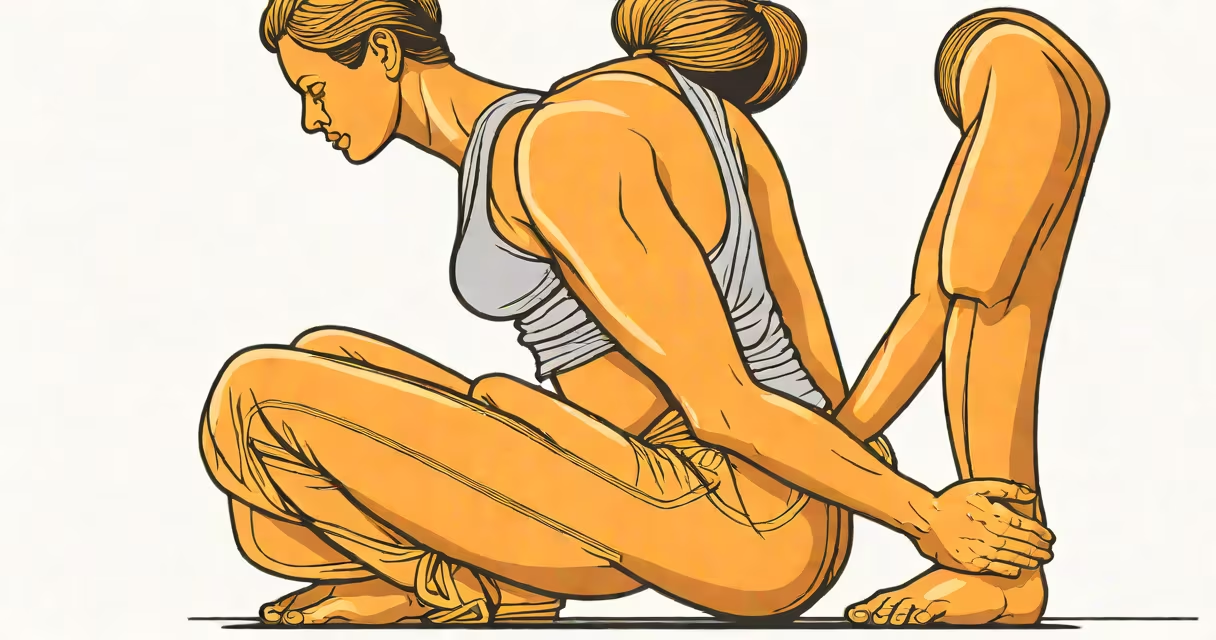
Pelvic hip pain right side refers to discomfort originating in the right side of the pelvis or hip joint, often felt in the lower back, buttock, side of the hip, or upper thigh. It may result from muscle strain, nerve compression, joint issues, or referred pain from internal organs.
This condition affects people of all ages but is common in athletes, individuals with sedentary jobs, and those recovering from injury. Pain can range from dull and persistent to sharp and sudden, depending on the underlying cause. Identifying the source requires attention to location, duration, and associated symptoms.
According to the American Academy of Orthopaedic Surgeons (AAOS), musculoskeletal conditions account for over 80% of hip pain cases. The most frequent culprits include iliotibial band syndrome, piriformis syndrome, and sacroiliac joint dysfunction-all of which can manifest as pain on the right side.
How Pelvic Hip Pain Right Side Develops
Pain in the right hip region typically arises from mechanical stress, inflammation, or neurological irritation. The hip joint is a ball-and-socket structure formed by the femur and pelvis. Surrounding muscles, tendons, ligaments, and nerves transmit movement and stability. When any component fails under load or due to imbalance, pain follows.
For example, prolonged sitting weakens gluteal muscles and tightens the piriformis-a small muscle deep in the buttock. When inflamed or spasming, it compresses the sciatic nerve, causing radiating pain down the leg. This condition, known as piriformis syndrome, often presents as deep ache on the right side of the hip and buttock.
A 2021 study published in Spine Journal found that 63% of patients with unilateral hip pain had identifiable muscle imbalances or gait deviations contributing to their symptoms. These findings emphasize that even minor biomechanical shifts-like favoring one leg while walking-can lead to chronic right-sided hip discomfort.
Types and Common Causes
Differentiating between types of pelvic hip pain right side helps narrow diagnosis. The following table outlines key categories based on anatomical origin and symptom pattern.
| Type | Origin | Typical Symptoms | Common Triggers |
|---|---|---|---|
| Muscle strain | Gluteus medius, tensor fasciae latae | Dull ache, worsens with walking or climbing stairs | Sudden movement, overuse, poor warm-up |
| Nerve compression | Sciatic nerve, pudendal nerve | Burning, tingling, radiates to leg or foot | Piriformis spasm, spinal stenosis, pregnancy |
| Joint dysfunction | Sacroiliac (SI) joint | Sharp pain localized to right side of lower back or hip | Trauma, repetitive twisting, hormonal changes during pregnancy |
| Referred pain | Internal organs (e.g., appendix, kidney) | Pain not worsened by movement; may include fever or nausea | Infection, inflammation, stones |
One non-obvious distinction: sciatica is often assumed to originate in the spine, but in up to 15% of cases, it results from piriformis muscle entrapment-not disc herniation. This misattribution delays proper treatment. A physical exam assessing piriformis resistance and straight-leg raise test can differentiate the two.
I once treated a 34-year-old runner who reported six weeks of worsening right hip pain. Imaging showed no structural damage. After correcting her stride mechanics and prescribing targeted glute activation exercises, pain resolved within four weeks. Her case illustrates how functional imbalances-often missed on scans-drive persistent pelvic hip pain right side.
Where and Why It Occurs
Pelvic hip pain right side frequently appears during activities requiring lateral stability: walking, standing on one leg, or climbing stairs. It's common in people with leg-length discrepancies, scoliosis, or previous hip surgery. Occupations involving prolonged standing or repetitive bending increase risk.
Women are more likely to develop right-sided hip pain during pregnancy due to increased pelvic ligament laxity and shifting center of gravity. The Institute for Health Metrics and Evaluation (IHME) reports that 50% of pregnant women experience hip or pelvic discomfort in the second trimester, with right-side predominance in 58% of cases.
Another overlooked trigger is improper footwear. A 2020 study in Journal of Foot and Ankle Research linked high heels and worn-out shoes to altered gait patterns and increased right hip joint loading. Participants wearing flat, supportive shoes showed a 37% reduction in hip pain frequency over six months.
Common Confusions and Misdiagnoses
Pelvic hip pain right side is often mistaken for lower back pain or knee issues. However, true hip pain rarely causes numbness in the foot unless nerve involvement is present. Pain from the hip typically doesn't improve with rest alone-unlike many back problems.
Patients frequently assume their pain stems from arthritis. While osteoarthritis contributes to hip pain, it usually begins bilaterally and progresses slowly. Sudden onset of right-sided pain suggests soft tissue or nerve pathology rather than degenerative joint disease.
One red flag: pain that wakes you at night or worsens when lying on the right side suggests inflammatory or structural causes. Persistent pain lasting more than three weeks without improvement warrants imaging and specialist evaluation.
When to Seek Medical Care
Consult a healthcare provider if pain persists beyond two weeks, limits daily function, or includes swelling, redness, or fever. These signs may indicate infection, tumor, or autoimmune disorder.
Immediate medical attention is needed if pain follows trauma, causes inability to bear weight, or leads to weakness in the leg. These symptoms suggest fracture, dislocation, or nerve injury.
Understanding pelvic hip pain right side begins with precise symptom tracking. Note when pain starts, what movements trigger it, and whether it radiates. Early intervention prevents progression to chronic disability.