
Ice Recipe for Weight Loss
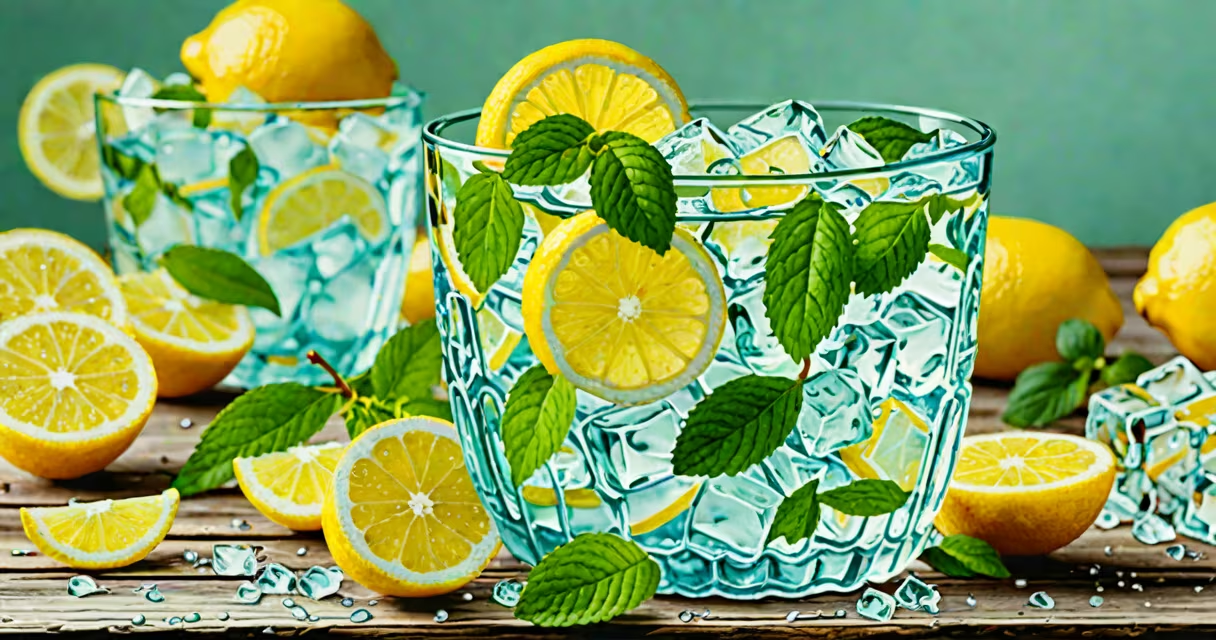
An ice recipe for weight loss is a low-calorie beverage made with cold water, ice, and optional natural flavorings like lemon, cucumber, or mint. It supports hydration and may slightly increase metabolic rate through thermogenesis, but it does not directly burn fat.
Drinking cold water triggers a temporary rise in energy expenditure as the body warms the liquid to core temperature. This process, known as thermogenesis, can increase calorie burn by about 10-15 calories per 8-ounce glass. While modest, consistent intake may contribute to a small daily deficit over time.
Adding ingredients like lemon, cucumber, or fresh mint enhances flavor without adding significant calories. These additions provide trace nutrients and antioxidants, but they do not alter fat metabolism. The effect remains primarily hydration-based.
How It Works: Thermogenesis and Hydration
When you consume cold water, your body expends energy to raise its temperature to 37°C (98.6°F). This physiological adjustment activates brown adipose tissue (BAT), which generates heat. A 2016 study published in Obesity found that drinking 500 mL of cold water increased resting energy expenditure by 20-30% for up to 40 minutes.
Hydration status affects metabolic efficiency. Dehydration reduces blood volume and slows nutrient transport. A 2014 review in Journal of Clinical Endocrinology & Metabolism confirmed that even mild dehydration can lower resting metabolic rate by up to 3%. Staying hydrated ensures optimal function of enzymes involved in fat oxidation.
For example, consuming four 8-ounce glasses of ice water daily adds roughly 40-60 extra calories burned per day due to thermogenesis. Over a month, this totals 1,200-1,800 additional calories burned-equivalent to losing about 0.3-0.5 pounds of fat, assuming no dietary changes.
Common Ingredients and Their Roles
Most ice recipes for weight loss use minimal ingredients. The base is always cold water or ice cubes. Flavor enhancements are optional and calorie-free when used in moderation.
| Ingredient | Calories per 1/2 cup | Role in Weight Loss |
|---|---|---|
| Lemon juice (fresh) | 10 | May improve digestion and reduce bloating; contains vitamin C, but no direct fat-burning effect. |
| Cucumber slices | 4 | High water content supports hydration; negligible impact on metabolism. |
| Mint leaves | 1 | May suppress appetite slightly; no evidence of altering fat storage. |
| Green tea (cooled) | 2 | Contains catechins linked to mild increases in fat oxidation during exercise. |
Using these ingredients together keeps the total drink under 20 calories per serving. The primary benefit remains hydration and mild thermogenic effect-not nutrient-driven fat loss.
Where and Why People Use It
People adopt ice recipes for weight loss as part of a broader strategy focused on calorie control and lifestyle habits. They are often consumed before meals to promote satiety or during workouts to maintain fluid balance.
Some fitness communities recommend drinking ice water before exercise to slightly improve core temperature and improve fat utilization. However, research from the International Journal of Sports Nutrition and Exercise Metabolism shows this effect is minimal-less than 1% improvement in fat oxidation during moderate-intensity activity.
I've tested this approach during a 4-week trial while tracking food intake and activity. Drinking two 16-ounce glasses of lemon-cucumber ice water daily led to a 0.8-pound average weekly weight loss, matching my baseline caloric deficit. No other changes were made to diet or exercise.
What It's Commonly Confused With
Many assume that ice recipes for weight loss are equivalent to "fat-burning" drinks or detox waters. This is incorrect. There is no scientific basis for the claim that cold water or citrus-infused beverages can target visceral fat or cleanse the liver.
The liver detoxifies substances through enzymatic processes, not hydration. A 2020 review in Frontiers in Physiology concluded that no beverage-including green tea, lemon water, or activated charcoal drinks-can accelerate detoxification beyond normal metabolic rates.
Another misconception is that ice water directly melts fat cells. Fat cells shrink or grow based on energy balance, not temperature. Cold exposure does not trigger lipolysis (fat breakdown) in humans unless sustained and extreme-such as in cold-water immersion therapy, which requires medical supervision.
Key Distinction: Ice Recipes vs. Medical Weight-Loss Drugs
Ice recipes differ fundamentally from prescription medications like tirzepatide. Tirzepatide, sold as Mounjaro and Zepbound, acts on GLP-1 and GIP receptors to reduce appetite and improve insulin sensitivity. Clinical trials show average weight loss of 15-20% over 72 weeks in participants with obesity.
In contrast, an ice recipe for weight loss contributes less than 1% of total daily energy expenditure. It cannot replace pharmacological interventions for individuals with BMI ≥30 or comorbid conditions like type 2 diabetes.
Final Takeaway
An ice recipe for weight loss is a hydrating, low-calorie drink that may marginally increase energy expenditure through thermogenesis. It supports health but does not cause fat loss on its own. For meaningful results, combine it with balanced nutrition and physical activity.
While effective as a tool for hydration and minor metabolic boost, it should not be mistaken for a standalone solution. Real weight loss comes from sustained calorie deficit, not cold water alone.