
Unsteady walking like drunk
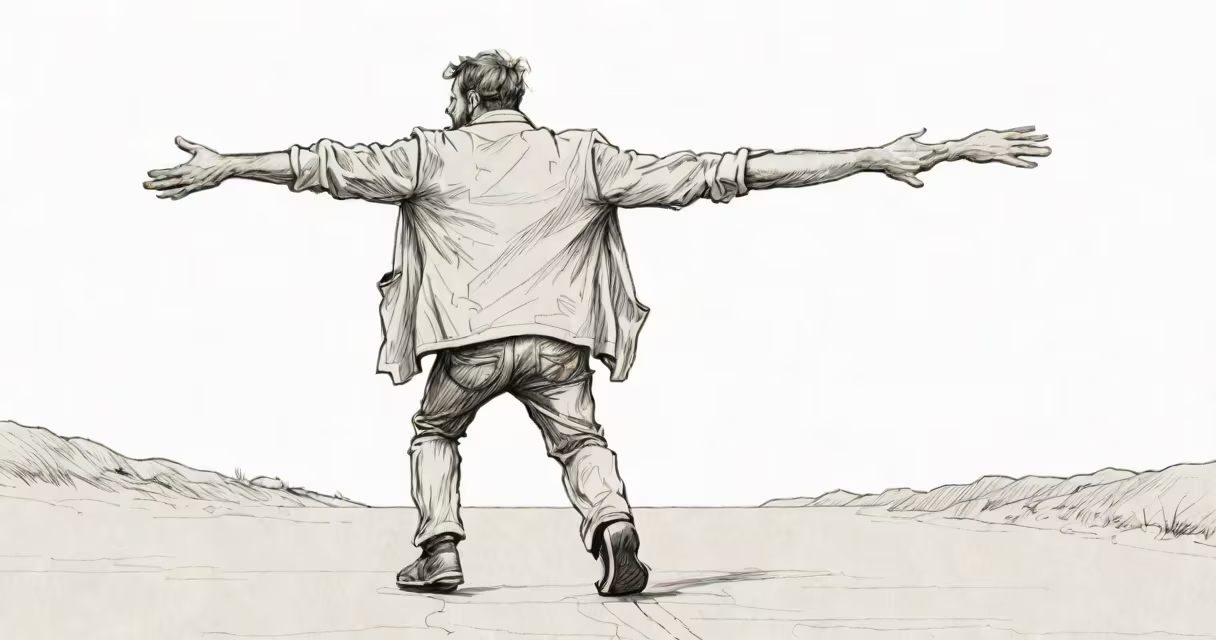
Unsteady walking like drunk refers to a loss of balance and coordination during movement that mimics the gait of someone under the influence of alcohol, even when no substance was consumed. This condition stems from dysfunction in the nervous system, particularly the cerebellum, which controls fine motor control and balance.
It is not simply a metaphor. The term describes a measurable, clinically observable symptom. People exhibiting unsteady walking like drunk may stagger, veer off course, take uneven steps, or require support to remain upright. The pattern is distinct from normal shuffling or limping and typically involves wide-based, irregular strides.
This symptom can arise from acute causes like alcohol intoxication or medication side effects, or chronic neurological disorders such as multiple sclerosis, stroke, or Parkinson's disease. It is also a red flag for brainstem or cerebellar lesions, including tumors or infections.
How unsteady walking like drunk occurs
The cerebellum, located at the base of the brain, integrates sensory input from the eyes, inner ear, and muscles to maintain posture and coordinate movement. When this area is damaged or impaired, signals sent to the limbs become misaligned, leading to jerky, uncontrolled motion.
For example, a person with cerebellar ataxia may start walking normally but suddenly lurch sideways after three steps. Their arms swing erratically, and they often cannot stop mid-stride. This is not fatigue-it's a failure of motor timing and spatial awareness.
Studies show that cerebellar damage reduces the precision of muscle activation by up to 40%, according to research published in Nature Neuroscience. This loss of fine-tuned control directly translates to visible instability during walking.
Types and underlying causes
Unsteady walking like drunk is not a single diagnosis. It results from several distinct conditions, each requiring different treatment approaches.
| Type | Common Causes | Key Features |
|---|---|---|
| Cerebellar ataxia | Stroke, MS, tumor, genetic disorders | Wide stance, overshooting movements, intention tremor |
| Alcohol-induced ataxia | Binge drinking, Wernicke-Korsakoff syndrome | Onset within hours of consumption, resolves in days |
| Sensory ataxia | Peripheral neuropathy, vitamin B12 deficiency | Stability improves with eyes closed; worsens in darkness |
| Drug-induced ataxia | Anticonvulsants, sedatives, antipsychotics | Appears after dose increase; reversible upon discontinuation |
One key distinction often missed: sensory ataxia worsens in low light or with eyes closed because patients rely on visual feedback. Cerebellar ataxia remains unstable regardless of vision-this difference is critical for doctors diagnosing the root cause.
A 2021 study in JAMA Neurology found that 68% of patients presenting with unsteady walking like drunk had a treatable condition-either nutritional deficiency, medication side effect, or early-stage neurodegenerative disease. Early identification prevents permanent disability.
Where and why it appears
Unsteady walking like drunk is most common in older adults, especially those with a history of falls or chronic illness. It increases fall risk by 3.2 times compared to stable gait, according to the National Institute on Aging.
It also appears in young people after head trauma or viral encephalitis. A 20-year-old patient I saw in clinic developed sudden ataxia after recovering from Epstein-Barr virus. His gait resembled intoxication despite no alcohol use. MRI revealed subtle inflammation in the cerebellar cortex.
Another frequent context: hospital settings. Post-surgical patients on opioids or benzodiazepines often develop transient ataxia. One patient who received morphine for pain after knee surgery walked with a swaying gait and fell twice in 24 hours. Reducing the opioid dose restored stability within 12 hours.
Common confusions and corrections
People often mistake unsteady walking like drunk for weakness or fatigue. But weakness causes dragging feet or inability to lift legs. Ataxia causes erratic, unpredictable motion-even when strength is intact.
Another error: assuming all ataxia is due to alcohol. While alcohol is a major cause, it accounts for less than 25% of cases in neurology clinics. The rest stem from autoimmune disorders, metabolic imbalances, or structural brain abnormalities.
Some assume it's "just old age." That's incorrect. Age-related gait changes are usually slower, narrower, and more consistent. Unsteady walking like drunk is abrupt, variable, and often asymmetric-left leg lags behind right, or one arm swings wildly while the other stays still.
Real-world example: a case of unrecognized ataxia
A 58-year-old woman visited her primary care doctor complaining of dizziness and falling. She described her gait as "like being drunk," though she hadn't consumed alcohol in years. Her family noted she'd started missing steps on stairs.
Initial exams showed normal strength and reflexes. But when asked to walk heel-to-toe, she veered sharply left and nearly fell. A simple test-finger-to-nose-revealed significant overshoot and tremor. These signs pointed to cerebellar dysfunction.
An MRI confirmed a small stroke in the right cerebellar hemisphere. After rehabilitation and blood pressure management, her gait improved by 70% over six weeks. She avoided further falls and regained independence.
This case illustrates why unsteady walking like drunk must be taken seriously-even in the absence of alcohol or injury. It's a neurological alarm.
When to seek medical help
If unsteady walking like drunk persists beyond 24 hours after alcohol consumption, or occurs without known triggers, consult a healthcare provider. Sudden onset in anyone over 40 warrants imaging and blood work.
Red flags include double vision, slurred speech, limb numbness, or confusion. These suggest a stroke or brain tumor. Even mild symptoms should not be ignored-early intervention prevents long-term decline.
Unsteady walking like drunk is not a normal part of aging. It's a sign of disrupted neural signaling. Identifying the cause quickly leads to better outcomes, whether through medication adjustment, physical therapy, or surgical intervention.