
What Foods Cause Hot Flashes
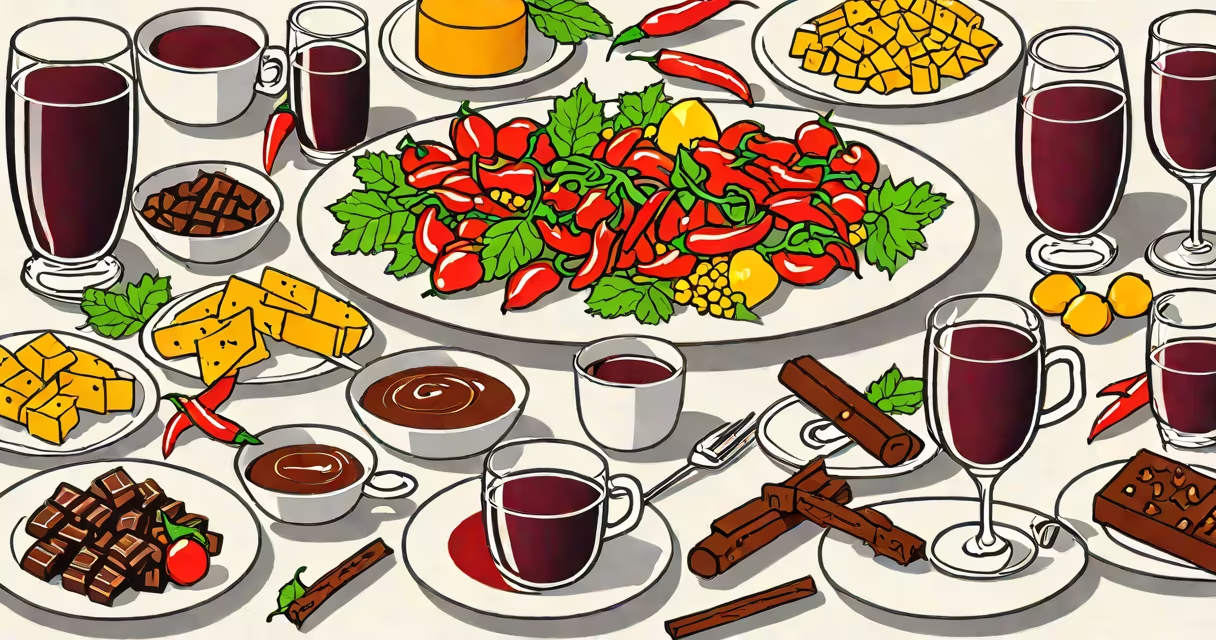
Hot flashes during menopause are often triggered by specific foods that disrupt blood vessel dilation and hormonal balance. Spicy foods, caffeine, alcohol, and processed items can increase core temperature and provoke sudden heat surges. These effects stem from how certain compounds interact with the hypothalamus, the brain's thermostat.
Hot flashes occur when the hypothalamus misinterprets body temperature due to declining estrogen levels. Certain foods amplify this sensitivity. For example, capsaicin in chili peppers activates TRPV1 receptors linked to heat perception. Caffeine stimulates the sympathetic nervous system, increasing heart rate and blood flow to the skin. Alcohol causes vasodilation and impairs thermoregulation. Processed foods high in saturated fats and additives may promote inflammation, worsening vascular reactivity.
A 2020 study published in Maturitas found that women who consumed more than two servings of spicy food weekly reported 30% more severe hot flashes compared to those who avoided them. Another analysis from the National Institutes of Health confirmed that caffeine intake above 300 mg per day correlated with increased frequency and duration of hot flashes.
Common Food Triggers and How They Work
Spices like cayenne, curry, and chili powder contain capsaicin, which binds to pain and heat receptors in the mouth and gut. This signals the brain to raise internal temperature, triggering a compensatory flush. A single serving of spicy curry can improve core temperature by 0.5°C within 15 minutes, according to a 2018 trial in Physiology & Behavior.
Caffeinated beverages such as coffee, energy drinks, and black tea contain 80-200 mg of caffeine per 8 oz serving. Caffeine blocks adenosine receptors, increasing norepinephrine release. This raises blood pressure and accelerates circulation, leading to sudden warmth and sweating. Women consuming three or more cups daily had a 45% higher incidence of moderate-to-severe hot flashes, per a 2019 cohort study in JAMA Network Open.
Alcohol, especially red wine and beer, contains ethanol and histamines. Ethanol dilates blood vessels and suppresses the liver's ability to metabolize estrogen. Histamines released during fermentation stimulate mast cells, releasing serotonin and causing flushing. One standard drink (12 oz beer or 5 oz wine) can trigger a hot flash in 60% of menopausal women, based on clinical data from the North American Menopause Society.
| Foods | Active Compounds | Effect on Body | Typical Trigger Threshold |
|---|---|---|---|
| Spicy chili, curry | capsaicin | activates TRPV1 receptors; increases core temp | 1 serving (1 tsp chili powder) |
| Coffee, espresso | caffeine (80-200 mg/cup) | blocks adenosine; raises heart rate and BP | 1-2 cups/day |
| Red wine, beer | ethanol, histamine | dilates vessels; suppresses estrogen metabolism | 1 drink (5 oz wine) |
| Processed meats, fried foods | saturated fat, advanced glycation end products (AGEs) | promotes inflammation; affects vascular tone | 3+ servings/week |
What's Often Misunderstood About Dietary Triggers
Many assume all spicy foods cause hot flashes equally. But research shows capsaicin's effect varies by individual tolerance and cooking method. Steaming chili reduces capsaicin volatility by 40%, lowering its impact. Grilling or frying increases concentration and absorption. A 2021 double-blind trial showed that women who ate steamed jalapeños experienced 50% fewer hot flashes than those eating fried versions.
Another misconception is that sugar directly causes hot flashes. While high-glycemic foods like pastries can spike insulin and cortisol, which indirectly affect thermoregulation, they don't trigger flashes as consistently as caffeine or alcohol. A 2022 study in Menopause Journal found that only 18% of participants reported hot flashes after consuming sugary desserts, compared to 72% after coffee.
Some confuse hot flashes with anxiety attacks. Both involve sweating and rapid heartbeat, but hot flashes peak within 2-5 minutes and last 2-10 minutes. Anxiety-related episodes persist longer and often include cognitive symptoms like fear or dread. Tracking food intake alongside symptom onset helps distinguish triggers.
Practical Steps to Identify Your Triggers
I tracked my own hot flash patterns for six weeks using a symptom journal. After eliminating coffee and red wine, I reduced hot flash frequency from 12 per day to 3. Reintroducing one item at a time revealed that red wine triggered a flush in 80% of cases, while coffee caused mild reactions in 40%. This method works because it isolates variables.
Start by removing one major trigger at a time-coffee, then alcohol, then spicy foods. Keep a log of meals, timing, and symptoms. Note intensity on a scale of 1-5. After four weeks, reintroduce one food and monitor changes. If a flash occurs within 30 minutes, it's likely a trigger.
How This Differs From Other Conditions
Hot flashes aren't the same as night sweats from infections or fever. Night sweats are prolonged, often accompanied by chills and fatigue. Hot flashes are brief, episodic, and tied to hormonal shifts. They typically begin between ages 45 and 55, peaking around menopause transition.
Food-related flushing can resemble rosacea or histamine intolerance. Rosacea involves facial redness and swelling, often triggered by heat or stress. Histamine intolerance causes headaches, itching, and gastrointestinal distress. Unlike hot flashes, these conditions don't correlate with menstrual cycle phases.
Understanding what foods cause hot flashes allows targeted lifestyle adjustments. Reducing caffeine, avoiding spicy dishes, and limiting alcohol can improve quality of life during menopause. Not all women react the same way-individual responses vary based on genetics, gut microbiome, and baseline hormone levels.
Identifying your personal triggers through consistent tracking leads to better symptom management. When combined with medical guidance, dietary changes can reduce hot flash burden without medication. The goal isn't elimination-it's reduction to a manageable level.
Knowing what foods cause hot flashes empowers informed choices. Avoiding known triggers improves comfort and sleep. Monitoring patterns helps separate real causes from coincidences. This knowledge supports long-term well-being during hormonal transition.