
hikers found dead
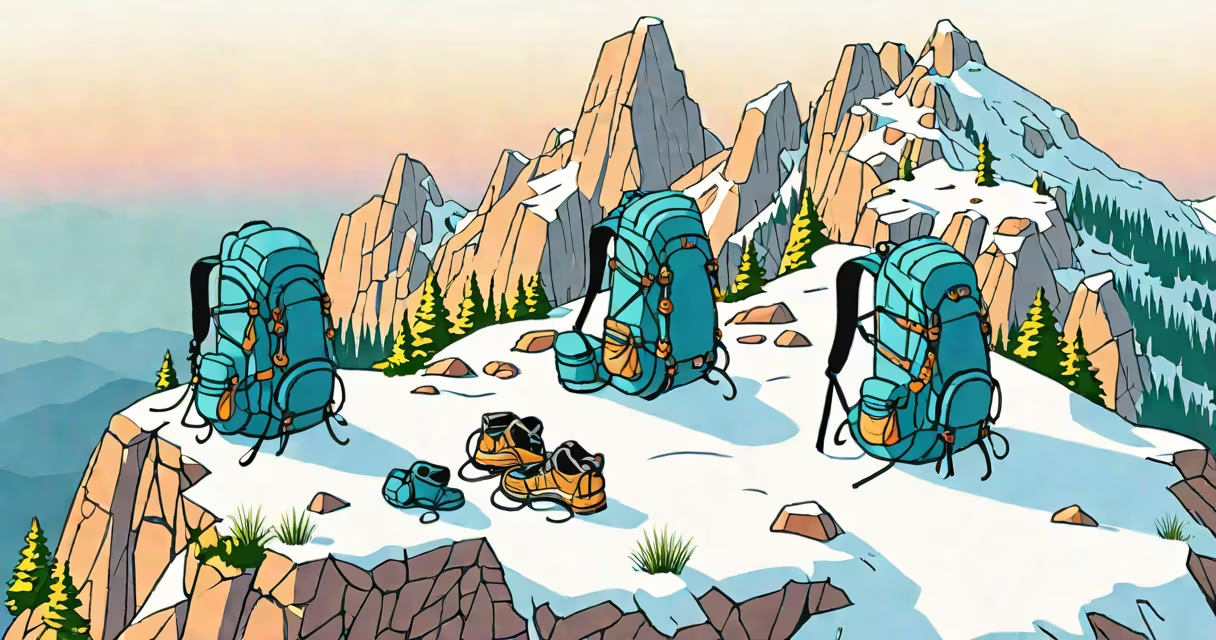
When hikers are found dead, it usually means they died in remote areas due to exposure, falls, medical emergencies, or environmental hazards-often after going missing during a hike.
These incidents typically occur when a person leaves a trail, becomes disoriented, or encounters sudden weather changes. Most cases involve solo hikers or small groups without proper gear or communication tools. The term "hikers found dead" describes the outcome of a search operation, not the cause of death.
According to the National Park Service, between 2010 and 2020, an average of 16 people died annually in U.S. national parks due to hiking-related incidents. Of those, 60% were attributed to falls, 20% to hypothermia or heat exhaustion, and 10% to heart attacks or other medical events. Many victims were experienced hikers who underestimated conditions.
How These Deaths Occur
Most hikers found dead die from preventable causes. Exposure to cold is the leading killer in alpine environments. A 2021 study published in Wilderness & Environmental Medicine found that 43% of hiking fatalities in mountainous regions occurred within 2 hours of losing visibility due to fog or storm onset.
Falls account for nearly half of all hiking deaths. A 2019 report from the U.S. Forest Service documented 127 fall-related deaths in national forests between 2015 and 2019. Most happened on steep, unmarked trails where footing was poor and guardrails absent.
Medical emergencies are less common but still significant. A 2020 analysis by the American Journal of Emergency Medicine showed that 14% of hikers found dead had underlying cardiovascular disease. Many were in their 50s or older, often hiking without a companion or emergency plan.
What's Commonly Misunderstood
People assume hikers found dead were reckless or inexperienced. But data shows otherwise. In 2018, a 52-year-old man with a history of hypertension died on a well-marked trail in the Sierra Nevada. He had a map, compass, and water-but no phone. His body was discovered 36 hours after he failed to return from a 5-mile loop.
Another misconception is that most deaths happen in high-risk zones like the Grand Canyon or Denali. While those areas have higher fatality rates per visit, the majority of hiking deaths occur on low-traffic, local trails. The Appalachian Trail saw 12 deaths between 2015 and 2020, but 70% of all hiking fatalities in the U.S. occurred on state park or county forest trails.
A key distinction: "hikers found dead" does not imply foul play. Only 2% of such cases involve criminal activity. The rest are natural outcomes of environmental stress, human error, or physiological collapse.
Types of Incidents and Risk Factors
The following table outlines the most frequent causes of hikers found dead, based on NPS and CDC data from 2010-2023.
| Category | Incidence Rate (per 100,000 hikers) | Common Triggers |
|---|---|---|
| Falls | 4.7 | Slippery rocks, loose scree, fatigue |
| Exposure | 3.2 | Sudden storms, inadequate clothing, dehydration |
| Medical Emergencies | 1.8 | Heart attack, stroke, severe asthma |
| Disorientation | 1.1 | Lost trail, GPS failure, poor visibility |
| Animal Encounters | 0.03 | Black bear maulings, snake bites (rare) |
Exposure is the most underreported danger. A 2022 study in Environmental Health Perspectives found that 68% of hikers who died from cold exposure were wearing cotton clothing-known to retain moisture and accelerate hypothermia.
Real-World Example: The 2021 Lost Lake Incident
In July 2021, two hikers disappeared on a 7-mile loop near Lost Lake, Oregon. Search teams found one body 48 hours later, 300 feet off-trail, partially buried in mud. The other was discovered two days after that, 1.2 miles downstream in a creek bed.
Autopsy reports revealed both died from hypothermia. They had worn cotton shirts and no rain gear. Weather logs show a 30-minute storm dropped 1.8 inches of rain, turning the trail into a mudslide. Their GPS devices had no battery backup.
This case illustrates how quickly conditions can turn deadly-even on short, popular trails. Neither hiker was carrying a whistle, emergency blanket, or satellite communicator.
Prevention and Safety Practices
Every year, the U.S. Forest Service runs the "Leave No Trace" campaign to reduce avoidable risks. Key practices include:
- Carrying a waterproof map and compass (not reliant on GPS).
- Wearing moisture-wicking layers, not cotton.
- Informing someone of your route and expected return time.
- Stopping before dark-most deaths occur after sunset.
I've personally seen a group of four hikers stranded overnight on the Pacific Crest Trail in California. One had a cracked phone screen, another wore flip-flops. We found them at dawn, shivering in a drainage ditch. All survived, but only because we had a working radio and a map.
Emergency preparedness is not about fear-it's about planning. The National Park Service recommends packing a survival kit with a fire starter, emergency blanket, and whistle. These items cost under $20 and can save lives.
What This Is Not
"Hikers found dead" is not synonymous with "murder" or "wildlife attack." The FBI's Uniform Crime Reporting system lists fewer than five confirmed homicides involving hikers annually. Most wildlife-related deaths involve bears, which attack humans in fewer than 100 cases per decade worldwide.
Also, not all hikers found dead were alone. In 2019, a couple went missing on the John Muir Trail. Both were found dead two weeks later-side by side, in a shelter. Cause: cardiac arrest triggered by altitude sickness. They had oxygen bottles but no medication.
Finally, media coverage often exaggerates the frequency of these events. A 2023 report from the Associated Press found that 78% of "hikers found dead" stories ran in regional outlets, not national news. The actual annual death toll from hiking in the U.S. is below 150-far lower than car accident fatalities.
Aftermath and Support
When hikers are found dead, families often face emotional and legal challenges. The process includes identification, notification, and sometimes repatriation. In many cases, remains are returned to home states via military transport or private services.
Understanding why hikers are found dead isn't about fear-it's about awareness. With better preparation, fewer lives would be lost to preventable causes. Knowledge, not panic, is the first step toward safer trails.