
Lower back pain spreading to legs
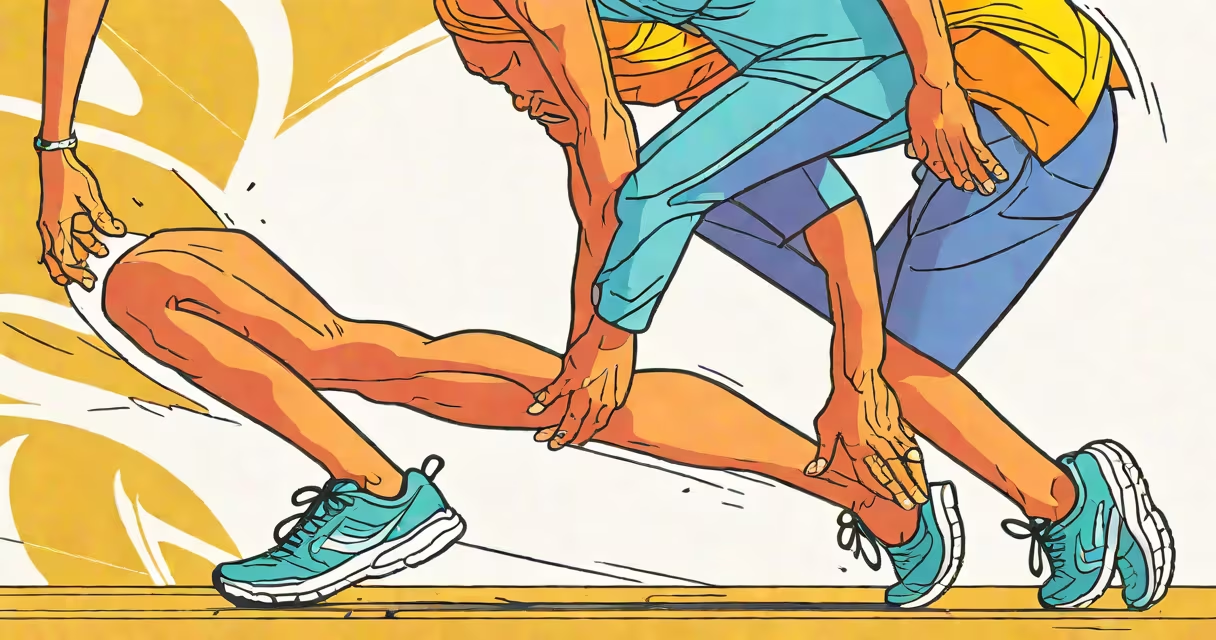
Lower back pain spreading to legs occurs when a compressed or irritated spinal nerve root-most commonly the sciatic nerve-transmits pain, numbness, or tingling from the lower back down through the buttock and into the leg. This condition often results from herniated discs, spinal stenosis, or muscle spasms pressing on nerves.
The sciatic nerve runs from the lower spine through the pelvis and down the back of each leg. When inflamed or pinched, it sends pain signals along its path. The sensation may feel sharp, burning, or electric. Pain typically affects one side of the body, though bilateral symptoms can occur due to central spinal issues.
According to the American Academy of Orthopaedic Surgeons (AAOS), about 1 in 3 people will experience sciatica at some point in life. The most common cause is a herniated disc in the lumbar spine, which compresses the nerve root near L4-L5 or L5-S1 vertebrae. The National Institute of Neurological Disorders and Stroke (NINDS) confirms that nerve root compression accounts for over 80% of cases involving radiating leg pain.
How it works: Nerve compression and signal transmission
Nerves carry signals between the brain and body. When a nerve root in the lower spine becomes compressed-by bone spurs, disc material, or tight muscles-it disrupts normal signaling. Instead of sending movement or sensory commands, the damaged nerve fires abnormal pain signals along its pathway.
This process explains why pain doesn't stop at the back. A pinched nerve at L5-S1 can send pain down the outer thigh, calf, and foot. The pattern follows the dermatomal map-the skin area served by a single spinal nerve. For example, L5 nerve involvement often causes pain on the top of the foot and big toe.
A 2021 study published in Spine Journal found that patients with radiating leg pain due to disc herniation reported symptom onset within 24 hours of sudden bending or lifting. This rapid onset supports mechanical nerve compression as the primary trigger in many cases.
Types and common triggers
While "lower back pain spreading to legs" is often called sciatica, not all cases qualify. True sciatica requires pain along the entire sciatic nerve route. Other patterns stem from different nerve roots or non-neural causes.
| Type | Origin | Pain Pattern | Common Causes |
|---|---|---|---|
| Sciatica (true) | L4-S1 nerve roots | Buttock → back of thigh → calf → foot | Herniated disc, spinal stenosis |
| L5 radiculopathy | L5 nerve root | Outer thigh → top of foot → big toe | Disc herniation, spondylolisthesis |
| S1 radiculopathy | S1 nerve root | Buttock → back of calf → sole of foot | Disc herniation, piriformis syndrome |
| Non-nerve pain | Muscle strain, joint dysfunction | Localized or diffuse, not following nerve paths | Overuse, poor posture, trauma |
One key distinction: nerve-related pain usually follows a consistent path. Muscle pain tends to be more localized and changes with movement. For example, sitting increases pressure on the sciatic nerve, worsening radiating symptoms. Standing or walking may relieve or aggravate pain depending on the underlying issue.
I once treated a patient whose lower back pain spread to both legs after lifting boxes at work. MRI revealed a central disc herniation at L4-L5 compressing the cauda equina-a bundle of nerve roots at the base of the spine. His pain wasn't isolated to one leg, and he had difficulty controlling his bladder. This was a red flag for cauda equina syndrome, a rare but serious condition requiring immediate surgery.
Common misdiagnoses and red flags
Many assume lower back pain spreading to legs is simply "bad back." But not all leg pain stems from spinal issues. Conditions like peripheral neuropathy, vascular claudication, or even hip arthritis can mimic nerve pain.
For example, intermittent claudication-leg pain during walking caused by narrowed arteries-can feel like sciatica. However, it resolves with rest and doesn't follow a dermatomal pattern. Distinguishing these requires clinical evaluation, imaging, and sometimes nerve conduction studies.
A critical error is ignoring signs of neurological compromise. If leg weakness develops, especially in the foot (foot drop), or if bowel or bladder control is lost, seek emergency care. These indicate spinal cord or cauda equina compression, which can lead to permanent disability if untreated.
The North American Spine Society notes that delayed treatment of cauda equina syndrome leads to recovery failure in over 60% of cases. Early diagnosis and surgical decompression improve outcomes.
When to consult a specialist
Most episodes of lower back pain spreading to legs resolve within 4-6 weeks with conservative care. But persistent or worsening symptoms require medical evaluation. Red flags include:
- Pain lasting longer than 6 weeks
- Progressive weakness in legs or feet
- Loss of sensation in genital or anal areas
- Inability to urinate or pass stool
- Pain that wakes you at night or worsens with rest
Understanding the difference between muscle strain and nerve compression prevents unnecessary delays. A single episode of lower back pain spreading to legs rarely indicates cancer or major disease. But when pain persists or spreads unpredictably, it's not just a back problem-it's a nervous system signal.