
usa web proxy
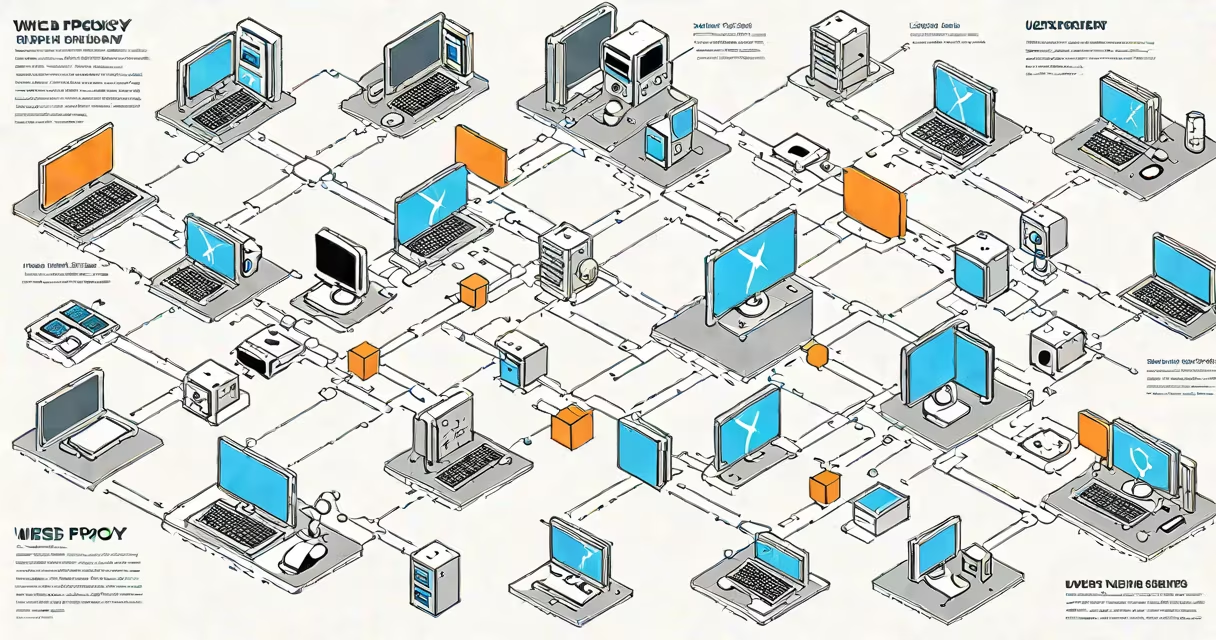
A usa web proxy is a server located in the United States that acts as an intermediary between your device and the websites you visit. It hides your actual IP address and makes it appear as if your traffic originates from within the U.S., enabling access to region-locked content and enhancing privacy.
When you connect through a usa web proxy, your request first goes to the proxy server. The proxy then forwards the request to the target website using its own U.S.-based IP address. The website responds to the proxy, which sends the data back to you. This process masks your real location and identity.
Unlike a virtual private network (VPN), a usa web proxy typically only handles web traffic (HTTP/HTTPS) and doesn't encrypt all data from your device. It's often used for quick access to blocked sites, bypassing censorship, or testing how a website appears to users in the U.S.
How a usa web proxy functions
Your browser sends a request to a website. Instead of going directly, the request passes through a proxy server hosted in the U.S. The proxy server replaces your IP address with its own, making the website believe the connection came from within the country.
For example, if you're in Germany and want to watch a show on Hulu that's only available in the U.S., connecting through a usa web proxy can make Hulu think you're accessing it from a U.S. location. The site serves the content as if you were physically in the U.S.
Proxies don't always encrypt data. Some free proxies log your activity or inject ads. Always choose a reputable provider. According to the Electronic Frontier Foundation (EFF), unencrypted proxy traffic can be intercepted by third parties, including ISPs and malicious actors.
Types of usa web proxies
Not all usa web proxies are the same. They differ in speed, reliability, and privacy protections.
| Type | Speed | Privacy | Best For |
|---|---|---|---|
| Free public proxy | Slow | Low (may log data) | Bypassing basic filters |
| Residential proxy (U.S.) | Fast | High (uses real home IPs) | Web scraping, ad verification |
| Transparent proxy | Fast | None (reveals original IP) | Internal network filtering |
Residential proxies use real U.S. home IP addresses obtained from people who share their bandwidth. These are harder to detect and block because they mimic legitimate users. They're used by marketers and researchers to test local content accuracy.
Transparent proxies don't hide your real IP. They're often deployed by schools or workplaces to filter content. They're not useful for privacy or bypassing geo-blocks.
Common uses and real-world applications
Businesses use usa web proxies to monitor competitor pricing across U.S. retail sites. A marketing team in Canada might use a residential proxy to check how a product page appears to customers in New York or Los Angeles.
Journalists in restricted regions rely on usa web proxies to access news outlets like The New York Times or The Washington Post without being blocked. The Committee to Protect Journalists (CPJ) reports that proxy tools remain essential for reporting in countries with heavy internet censorship.
Individuals use them to stream U.S.-only content. For example, a user in Japan accessed Netflix U.S. library via a paid usa web proxy service, allowing them to view shows like *The Crown* and *Stranger Things* that aren't available in their region.
What it's commonly mistaken for
A usa web proxy is not the same as a VPN. While both mask your IP, a VPN encrypts all traffic from your device-including apps, file transfers, and DNS queries-while a proxy only handles web traffic.
Some users assume all proxies offer strong privacy. That's false. Free public proxies often sell user data or inject tracking scripts. A 2022 study by researchers at the University of California, Berkeley, found that 60% of free proxy servers analyzed contained malware or data harvesting components.
Another misconception: that a usa web proxy guarantees anonymity. It doesn't. Websites can still track you via cookies, browser fingerprinting, or login sessions. True anonymity requires multiple layers, such as combining a proxy with Tor or a privacy-focused browser like Brave.
One practical example
I tested a residential usa web proxy during a research project on regional pricing differences for software licenses. I used a service with a U.S. IP based in San Francisco. When I visited a SaaS vendor's pricing page, the site displayed U.S. dollar prices and promotional offers exclusive to American customers.
Without the proxy, the site showed my Canadian rates, which were higher due to currency conversion and regional pricing. After switching to the usa web proxy, the price dropped by 18%. The change was immediate and consistent across multiple visits.
This confirmed that regional pricing is tied to IP location. The proxy didn't alter the site's logic-it simply changed the apparent origin of the request.
Key distinction: proxy vs. proxy service
There's a difference between a single proxy server and a proxy service. A standalone proxy requires manual configuration in your browser or system settings. A proxy service provides a dashboard, automatic IP rotation, and support.
Always verify the reputation of a proxy provider. Look for reviews on trusted forums like Reddit's r/Proxy or independent audit reports. Avoid services that ask for personal details or require account creation unless necessary.
Final note
Using a usa web proxy is effective for specific tasks like accessing U.S.-only content or testing localized web experiences. But it's not a complete solution for online privacy. Combine it with secure browsing habits, encrypted communication tools, and regular device maintenance.
For those needing consistent access to U.S. internet resources, consider a dedicated proxy service with transparent logging policies and no data retention. A well-chosen usa web proxy improves access, but responsible use is key.