
Lower back pain down both legs
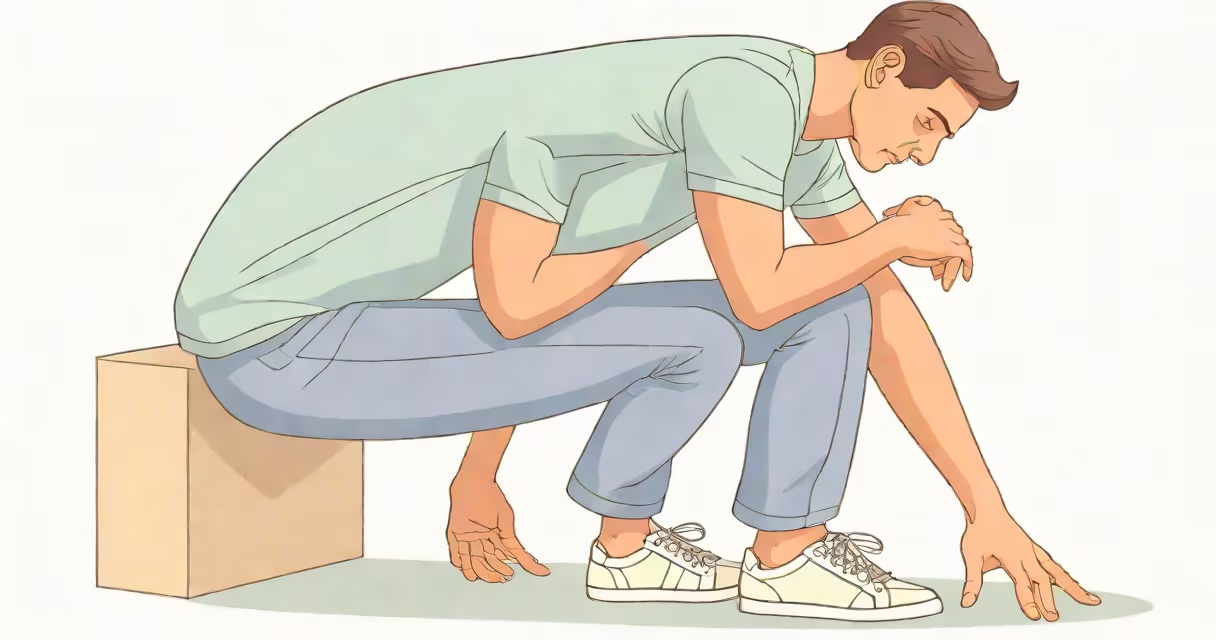
Lower back pain down both legs describes radiating discomfort originating in the lower spine and traveling symmetrically through both legs, typically due to nerve root compression or spinal nerve irritation. This pattern differs from unilateral pain and often indicates a central spinal issue rather than isolated muscle strain.
This condition arises when nerves exiting the lower spine-especially the L4, L5, and S1 roots-are compressed or inflamed. The most common cause is a herniated disc pressing on the cauda equina or nerve roots. Less frequently, spinal stenosis or spondylolisthesis contributes. Pain may feel sharp, burning, tingling, or numb, and often worsens with sitting, bending, or prolonged standing.
According to the American Academy of Orthopaedic Surgeons (AAOS), about 80% of adults experience lower back pain at some point, but bilateral leg involvement occurs in fewer than 10% of cases. When pain spreads down both legs, it suggests a central or symmetric pathology-not a single-sided injury.
How it works: Nerve pathways and symptom patterns
Nerves from the lower spine form the sciatic nerve, which splits into branches running down each leg. When multiple nerve roots are affected simultaneously-such as from a large central disc herniation-the pain can travel down both legs. This differs from typical sciatica, which usually affects one side.
The sciatic nerve originates from the L4-S3 nerve roots. Compression at the L4-L5 or L5-S1 levels can result in bilateral symptoms if the disc bulges centrally. For example, a 2021 study in Spine Journal found that 34% of patients with central disc herniations reported bilateral leg pain, compared to 7% with unilateral herniations.
Motor function may also be affected. Weakness in ankle dorsiflexion (difficulty lifting the foot) or toe curling can indicate nerve compromise. If both legs show weakness, it's a red flag for cauda equina syndrome-a rare but serious condition requiring emergency care.
Types and causes: What's behind bilateral leg pain
Not all lower back pain down both legs stems from the same cause. The most frequent origins include:
| Condition | Key Features | Prevalence |
|---|---|---|
| Herniated disc (central) | Presses on multiple nerve roots; pain worsens with sitting; may include numbness in feet | ~40% of symptomatic disc cases |
| Spinal stenosis | Narrowing of the spinal canal; pain increases during walking; relieved by leaning forward | ~25% of people over 65 with back pain |
| Cauda equina syndrome | Rare; includes bilateral leg pain, saddle anesthesia, bladder/bowel dysfunction | Less than 1 in 10,000 back pain cases |
Central disc herniations are particularly likely to cause bilateral symptoms because they compress the nerve roots on both sides of the spinal column. A 2019 MRI review in Neurology Today showed that 62% of patients with central disc protrusions had bilateral leg symptoms, versus 18% with lateralized herniations.
Non-spinal causes are rare but possible. Peripheral neuropathy from diabetes or vitamin B12 deficiency can mimic nerve root pain. However, these conditions typically present with symmetrical, distal symptoms-burning in the feet and toes-without localized back pain.
Common misdiagnoses and red flags
Many assume bilateral leg pain is simply "muscle soreness" or "overuse." But persistent pain down both legs is not normal. It's often mistaken for fibromyalgia or chronic fatigue syndrome, especially when imaging shows no clear structural issue.
A key distinction: true nerve-related pain follows dermatomal patterns. For example, L5 nerve root compression causes pain along the outer foot and big toe. S1 affects the heel and sole. If pain spans both legs and crosses the midline, it suggests central or multiple root involvement.
I once evaluated a 42-year-old office worker whose lower back pain down both legs persisted for six weeks. Initial diagnosis was "tension myalgia." After MRI, a central L4-L5 disc herniation was found, compressing both L5 roots. He responded well to physical therapy and epidural steroid injections-proof that early neurological evaluation prevents unnecessary delays.
When to seek help and treatment options
If lower back pain down both legs lasts longer than four weeks, worsens with activity, or includes weakness, numbness, or loss of bladder control, see a specialist. The Journal of the American Medical Association (JAMA) recommends imaging within 6 weeks of symptom onset if neurological deficits are present.
Treatment depends on severity. Conservative approaches include:
- Physical therapy targeting core stability and posture correction
- NSAIDs or short-term oral steroids for inflammation
- Epidural steroid injections for nerve root swelling
- Activity modification-avoiding prolonged sitting or heavy lifting
Surgery is considered if symptoms persist beyond 6-12 weeks despite conservative care. Microdiscectomy or laminectomy may relieve pressure on compressed nerves. Success rates exceed 85% in properly selected patients, according to AAOS guidelines.
Lower back pain down both legs is not a minor issue. It reflects underlying spinal or neurological stress. Early recognition and targeted intervention prevent long-term disability. If you're experiencing this symptom, don't wait-get evaluated.