
Types of Crochet Stitches
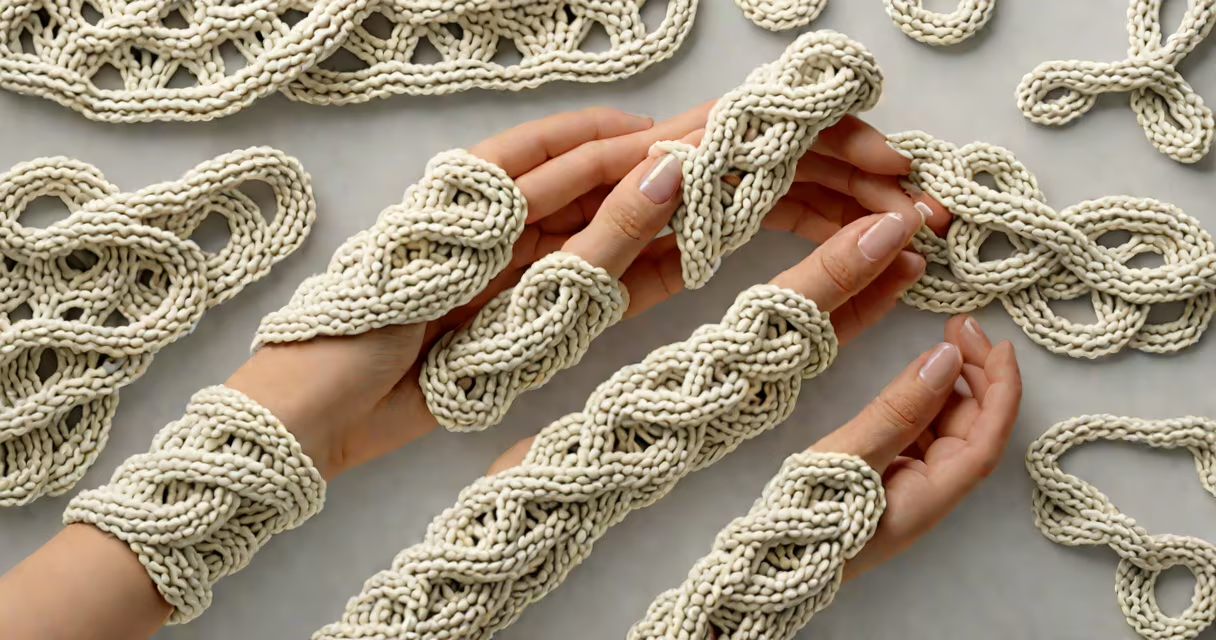
Types of crochet stitches are foundational building blocks used to create fabric in hand-crocheted projects. They vary in height, texture, and density, allowing crafters to choose based on project needs like warmth, drape, or speed. Common types include single, half-double, double, and treble crochet.
Each stitch begins with a foundation chain and uses the hook to pull loops through previous stitches. The height of the stitch determines how tall the resulting fabric appears. For example, a single crochet is short and dense, while a treble crochet produces an open, lacy effect. Stitch count per row affects gauge, influencing the size of finished items like blankets or hats.
Stitch selection impacts both appearance and function. A tight stitch like the single crochet holds shape well for amigurumi or bags. A loose stitch such as the double crochet creates airy fabric ideal for shawls. Understanding how each stitch behaves ensures accurate results in patterns and reduces frustration during projects.
How Crochet Stitches Work
Crochet stitches follow a consistent sequence: yarn over, insert hook, yarn over again, pull through two loops, then repeat. The difference between types lies in how many times the yarn is wrapped before pulling through. This variation controls height and spacing.
For instance, in a single crochet, you yarn over once, insert the hook into the next stitch, yarn over again, and pull through two loops. That's one complete cycle. In a double crochet, you yarn over twice before inserting the hook, then yarn over and pull through two loops three times. The extra yarn over increases height and opens up the fabric.
Each stitch builds upon the last, forming rows that grow vertically. When turning the work, crocheters skip the first few stitches of the new row to maintain even edges. Skipping too many or too few causes uneven sides, especially noticeable in larger pieces like afghans.
Common Types of Crochet Stitches
The most frequently used stitches fall into four categories: single, half-double, double, and treble crochet. These form the basis of nearly every pattern and are taught in beginner classes worldwide.
| Stitch Type | Height | Yarn Overs Before Pull Through | Best For |
|---|---|---|---|
| Single crochet (sc) | Short | 1 | Dense fabric, toys, hats, coasters |
| Half-double crochet (hdc) | Moderate | 1 | Medium-weight garments, scarves |
| Double crochet (dc) | Tall | 2 | Shawls, blankets, quick projects |
| Triple or treble crochet (tr) | Very tall | 3 | Lacy designs, borders, decorative accents |
These stitches are often combined in patterns. A blanket might start with single crochet for stability, switch to double crochet for faster progress, and finish with a treble crochet border for visual interest. Using multiple stitch types within one piece adds texture and dimension.
More advanced stitches include the front post double crochet (fpdc), which creates raised ridges, and the shell stitch, formed by grouping several double crochets into a cluster. These are used in textured patterns like lace edgings or cable-like effects.
Where and Why They're Used
Single crochet is favored for items needing structure. A coaster made with 100 single crochets in a round forms a firm, water-resistant surface. The stitch locks tightly, preventing fraying and resisting stretching.
Double crochet speeds up large projects. A 6-foot blanket using double crochet takes about 30% less time than the same blanket in single crochet. According to the Craft Yarn Council, double crochet is the most common stitch in beginner patterns due to its balance of speed and clarity.
For delicate work, such as lace shawls, treble crochet creates open spaces. A 12-inch square made with treble crochet uses fewer stitches than a single crochet version but covers more area. This allows for more air circulation and lighter weight.
One lesser-known fact: the height of a stitch doesn't always match its name. A "double" crochet is not twice as tall as a single crochet-it's roughly 1.5 times taller. Misunderstanding this leads to incorrect gauge and mismatched sizes in patterns.
Common Confusions and Corrections
Many beginners assume that more stitches mean faster progress. But increasing stitch count without adjusting hook size causes loose, floppy fabric. A 10-row swatch using double crochet with a size G (4.5 mm) hook measures 4 inches wide. Switching to a size H (5.0 mm) hook increases width to 4.75 inches-over 18% wider despite the same number of stitches.
Another frequent error is confusing the half-double crochet with the single crochet. Both have one yarn over before insertion, but the half-double crochet pulls through three loops instead of two. This makes it slightly taller and more flexible than the single crochet.
Choosing the Right Stitch
When selecting a stitch, consider the project's purpose. A baby blanket requires softness and durability. Double crochet offers good warmth with moderate density. A summer scarf benefits from breathability, so triple crochet or open mesh stitches reduce bulk.
Always make a gauge swatch. Measure 4 inches across 10 stitches. If it's too small, try a larger hook. If too big, go smaller. This prevents the final item from being too small or too large.
For example, a dishcloth made with 100 single crochets in a 4-inch square will absorb water well. Using double crochet instead reduces absorption by 30% due to looser weave. The choice affects function, not just look.
Understanding types of crochet stitches enables confident pattern reading and creative adaptation. Knowing how each stitch behaves ensures consistent results and reduces errors during crafting.