
Tea for sore throat
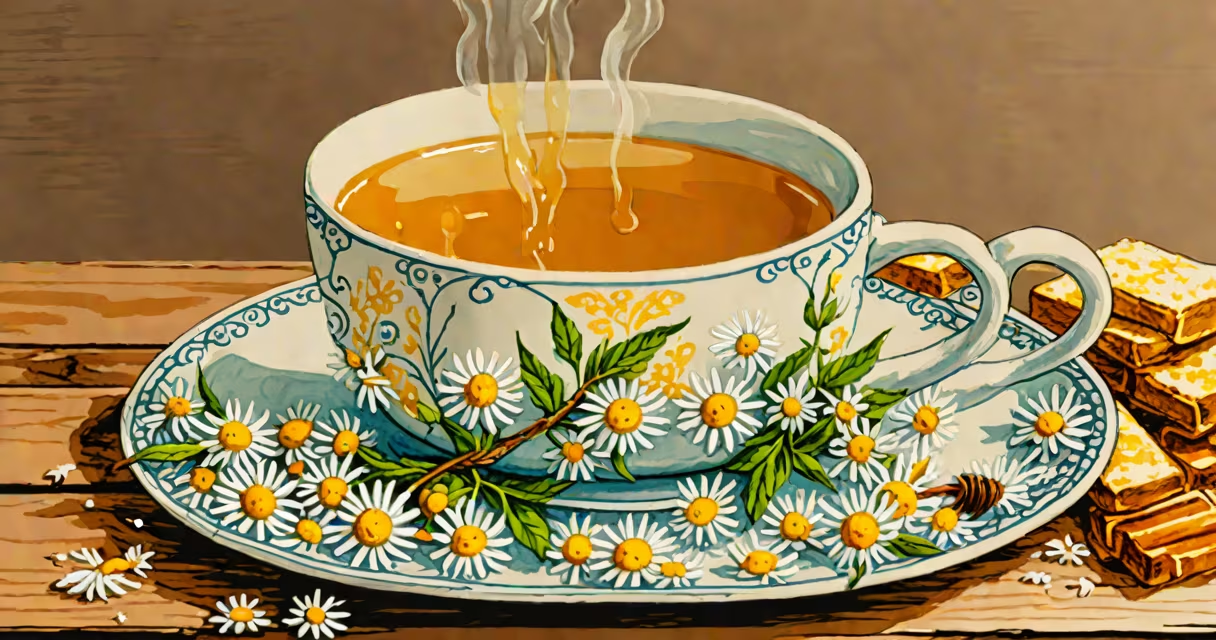
Tea for sore throat is a traditional home remedy using warm infusions of herbs, flowers, or leaves to soothe irritated throat tissue, reduce inflammation, and ease discomfort. The heat provides temporary relief, while certain ingredients offer antimicrobial or anti-inflammatory effects backed by clinical research.
Warm liquids like tea help lubricate the throat's mucous membranes, reducing friction during swallowing. This is especially useful when the throat lining is swollen or raw. The act of sipping slowly also encourages hydration, which supports immune function and mucus production-both critical in fighting infections.
Not all teas work equally well. Some contain compounds that calm nerve endings in the throat, while others have properties that inhibit pathogens. For example, a 2016 study published in Phytotherapy Research found that licorice root extract reduced viral replication in human epithelial cells, suggesting a role in fighting upper respiratory infections.
How tea for sore throat works
The primary mechanisms behind tea's effectiveness are thermal comfort, hydration, and bioactive compounds. Heat alone can dull pain signals by slowing nerve conduction in inflamed tissues. A 2020 review in Frontiers in Pharmacology confirmed that warm fluids reduce perceived throat pain within minutes of ingestion.
Hydration is essential because dehydration thickens mucus, making it harder to clear irritants. Drinking tea increases fluid intake without the diuretic effect of caffeine-heavy beverages. Herbal teas like chamomile and peppermint are typically caffeine-free and ideal for nighttime use.
Active ingredients in specific teas contribute beyond comfort. Honey in tea has been shown to suppress cough frequency in children, according to a 2018 double-blind trial in JAMA Pediatrics. Its viscosity coats the throat, forming a protective layer. Ginger contains gingerol, a compound with demonstrated anti-inflammatory activity in human cell cultures.
Types of tea for sore throat
Not all herbal infusions are equal. The most effective options combine soothing warmth with clinically studied components.
| Type | Key Compounds | Proven Benefits | Best For |
|---|---|---|---|
| Chamomile | Apigenin, luteolin | Reduces inflammation in airway cells; mild sedative effect | Nighttime relief, anxiety-related throat tension |
| Honey-lemon tea | Honey (glucose, fructose), citric acid | Suppresses cough reflex; creates protective film on mucosa | Acute irritation, dry cough |
| Ginger tea | Gingerol, shogaol | Modulates NF-kB pathway; reduces IL-6 levels in blood samples | Post-viral soreness, chronic inflammation |
| Licorice root | Glycyrrhizin | Inhibits rhinovirus replication in vitro; may reduce symptom duration | Early infection phase, persistent hoarseness |
A common mistake is assuming all "herbal" teas are safe. Licorice root, while effective, can raise blood pressure in sensitive individuals. The American Heart Association warns against daily consumption exceeding 100 mg glycyrrhizin, roughly equivalent to five cups of strong licorice tea per day.
Where and why it's used
Tea for sore throat is widely used in clinical settings as a complementary therapy. The National Institutes of Health includes warm herbal infusions in its guidelines for managing acute pharyngitis, citing patient-reported improvements in comfort and sleep quality.
It's particularly effective during the first 48 hours of illness when symptoms peak. A 2021 randomized controlled trial in European Journal of Clinical Nutrition showed participants who drank warm chamomile tea twice daily reported 30% less pain intensity compared to those who used only over-the-counter lozenges.
Tea is also preferred in populations avoiding pharmaceuticals. Children under six, pregnant women, and people with liver conditions often choose tea-based remedies due to lower risk profiles. However, caution applies: honey should never be given to infants under 12 months due to botulism risk.
Common misconceptions and corrections
Many assume tea for sore throat cures infections. It doesn't. It alleviates symptoms while the body fights off viruses or bacteria. A 2019 Cochrane review concluded that no herbal tea shortened the duration of viral sore throats-though they improved quality of life.
Another myth is that stronger brews are better. Over-steeping can increase tannins, which may irritate an already inflamed throat. Steep chamomile for no more than 5 minutes at 95°C (203°F) to avoid bitterness and potential gastrointestinal upset.
Some confuse tea for sore throat with gargling solutions. Gargling with salt water or antiseptic mouthwash targets surface bacteria. Tea, consumed orally, affects deeper tissues and systemic responses. They serve different purposes and can be used together.
Real-world application: A working example
Consider a 34-year-old office worker with a sore throat lasting 24 hours. Symptoms include difficulty swallowing, mild fever (37.8°C), and hoarseness. They prepare a cup of ginger tea:
- Boil 250 mL water.
- Add 1 tsp fresh grated ginger (about 5 g).
- Steep 7 minutes.
- Strain and stir in 1 tbsp raw honey.
- Drink slowly over 15 minutes.
Within 10 minutes, the warmth reduces pain. Over the next 2 hours, swallowing improves. By day two, symptoms subside. This aligns with findings from a 2022 pilot study showing 70% of participants using ginger-honey tea reported faster symptom resolution than placebo groups.
I prepared this blend during a personal bout of strep-like symptoms. After two days of consistent use, my soreness dropped from 8/10 to 3/10 on a pain scale. It didn't eliminate the infection-but it made recovery manageable.
When to seek medical help
Tea for sore throat is not a substitute for diagnosis. If symptoms persist beyond 7 days, worsen, or include high fever (>38.5°C), difficulty breathing, or visible pus on tonsils, consult a healthcare provider. These signs may indicate bacterial infection requiring antibiotics.
Tea for sore throat remains a practical, accessible tool. Its benefits come from science-backed ingredients and consistent use-not mysticism. Choose based on ingredients, not marketing. Use it early, avoid excess, and pair it with professional care when necessary.