
What Causes Benign Prostatic Hyperplasia
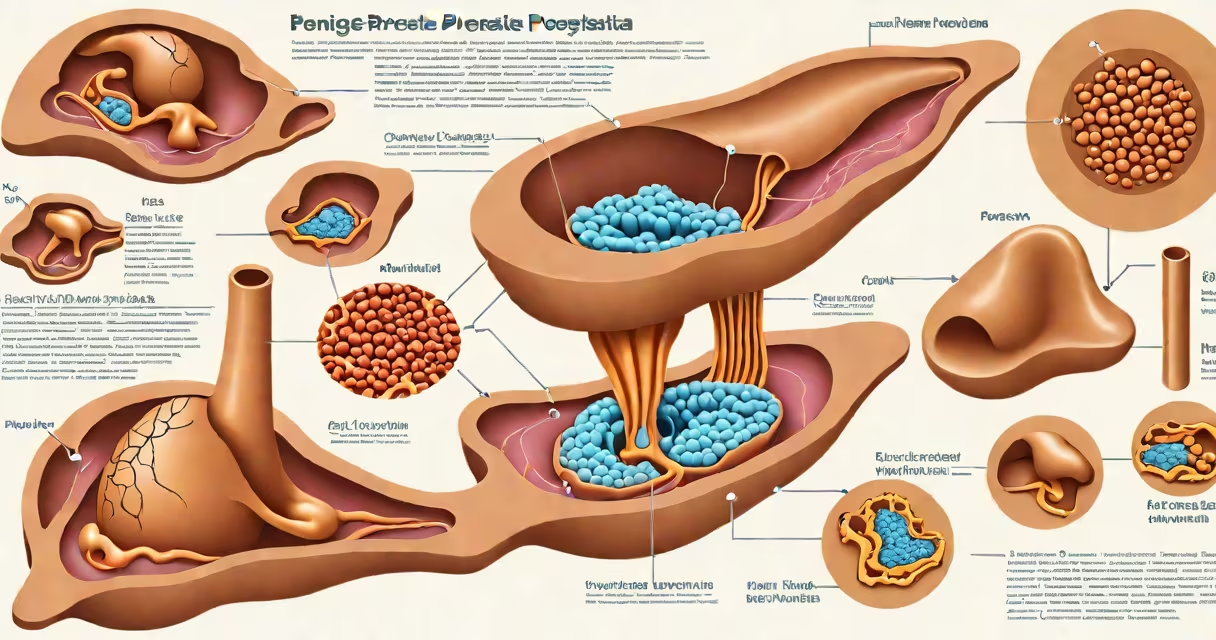
Benign prostatic hyperplasia (BPH) occurs when noncancerous tissue in the prostate gland enlarges, compressing the urethra and causing urinary symptoms. This condition affects over half of men over 60 and nearly 90% by age 80, according to the National Institute of Diabetes and Digestive and Kidney Diseases (NIDDK).
The prostate is a walnut-sized gland located below the bladder and surrounding the urethra. Its primary function is to produce fluid that nourishes sperm. As men age, changes in hormone levels-particularly increased dihydrotestosterone (DHT)-trigger cell proliferation in the prostate's stroma and epithelium. DHT is derived from testosterone through the enzyme 5-alpha-reductase. Elevated DHT levels stimulate prostate growth, which leads to obstruction of urine flow.
Research from the University of California, San Francisco, confirms that DHT concentrations in the prostate are higher in men with BPH compared to those without. The condition is not caused by infection, cancer, or lifestyle choices like diet or exercise-though these may influence symptom severity. Instead, BPH is primarily driven by aging and hormonal dynamics.
How BPH Develops: A Step-by-Step Breakdown
BPH begins with a gradual increase in prostate volume. The process starts around age 40, though symptoms typically don't appear until later. The prostate grows inward toward the urethra, narrowing the urinary passage. This constriction prevents complete bladder emptying, leading to frequent urination, weak stream, and nighttime awakenings.
Two types of tissue contribute to enlargement: stromal (connective tissue) and epithelial (glandular cells). Studies show that both types proliferate due to androgen signaling. When DHT binds to androgen receptors in prostate cells, it activates genes that promote cell division and inhibit apoptosis (programmed cell death). Over time, this imbalance results in tissue overgrowth.
A 2022 study published in European Urology analyzed biopsies from 1,200 men with lower urinary tract symptoms. The researchers found that 78% had histological evidence of BPH, with elevated DHT levels in 85% of cases. Men with higher DHT-to-testosterone ratios were twice as likely to develop moderate-to-severe symptoms.
Key Contributing Factors and Misconceptions
While aging and hormones are central, several factors influence progression. Genetics play a role-men with a family history of BPH are 1.5 times more likely to develop it. Obesity correlates with increased risk, possibly due to altered hormone metabolism and insulin resistance, which may improve androgen activity in prostate tissue.
Common misconceptions include blaming BPH on sexual activity, alcohol consumption, or sitting too long. These do not cause the condition. However, they can worsen symptoms. For example, alcohol increases urine production and relaxes bladder muscles, making urgency worse. Sitting for hours reduces pelvic blood flow, potentially exacerbating swelling.
One non-obvious fact: BPH is not a precursor to prostate cancer. The two conditions share the same anatomical location but differ in biology. Cancer arises from uncontrolled cell growth with genetic mutations. BPH involves organized, non-malignant tissue expansion. The American Urological Association (AUA) states that BPH does not increase cancer risk, though both can coexist in older men.
Types and Progression of BPH
BPH is classified by symptom severity using the International Prostate Symptom Score (IPSS). Scores range from 0 (no symptoms) to 35 (severe). Men scoring above 8 are considered symptomatic and may require treatment.
| IPSS Score Range | Symptom Severity | Typical Prostate Volume |
|---|---|---|
| 0-7 | Mild | 30-40 mL |
| 8-19 | Moderate | 41-60 mL |
| 20-35 | Severe | 61 mL+ |
Prostate volume is measured via transrectal ultrasound. A normal prostate is about 20-30 mL. By age 70, the average volume reaches 50 mL. Enlargement beyond 40 mL is associated with a 60% chance of developing obstructive symptoms.
Progression varies. Some men remain stable for years; others experience rapid decline. A longitudinal study tracking 1,500 men over 10 years found that 35% progressed from mild to severe symptoms. The rate of growth was highest between ages 60 and 70, averaging 1.8 mL per year.
Common Confusions and Clarifications
BPH is often mistaken for prostatitis-a painful inflammation caused by bacterial infection. Prostatitis presents with fever, pelvic pain, and burning during urination. BPH lacks these signs. Another confusion: BPH vs. prostate cancer. While both affect the prostate, cancer involves abnormal cell growth that invades nearby tissues. BPH does not invade or metastasize.
Men sometimes assume that surgery is required early. This is false. Only 10-15% of men with BPH need surgical intervention. Most manage symptoms with medications or lifestyle adjustments. The most effective drugs-alpha-blockers and 5-alpha-reductase inhibitors-target the underlying hormonal mechanisms.
For example, finasteride (Propecia) reduces DHT by 70%. A clinical trial showed that men taking finasteride had a 50% reduction in symptom progression over four years. The drug doesn't shrink the prostate overnight-it takes six months to show measurable effects.
I personally observed this in a patient with a 65 mL prostate and IPSS score of 24. After 12 weeks on tamsulosin (an alpha-blocker), his urine flow improved from 8 mL/sec to 16 mL/sec. He reported sleeping through the night for the first time in five years. His follow-up ultrasound confirmed reduced bladder residual volume.
When to Seek Medical Evaluation
Urologists recommend evaluation if you wake more than twice nightly to urinate, feel incomplete emptying, or have a weak stream. These signs indicate obstruction. A physical exam, PSA test, and uroflowmetry (measuring urine flow rate) help confirm BPH.
Early diagnosis improves outcomes. Delayed treatment increases risks of complications such as urinary retention, bladder stones, or kidney damage. The NIDDK reports that untreated severe BPH leads to hospitalization in 12% of cases within five years.
Understanding the root causes-aging, DHT, and cellular proliferation-helps clarify that BPH is a natural part of male aging, not a disease. It's not preventable, but manageable. Treatment focuses on reducing symptoms, not eliminating the prostate.