
What Causes Sociopathy
Sociopathy, often referred to in clinical contexts as antisocial personality disorder (ASPD), arises from a complex interaction between genetic predispositions and early life environmental stressors. It is not a single event or trait but a pattern of persistent behaviors including deceit, lack of remorse, and disregard for social norms, rooted in neurobiological differences and developmental trauma.
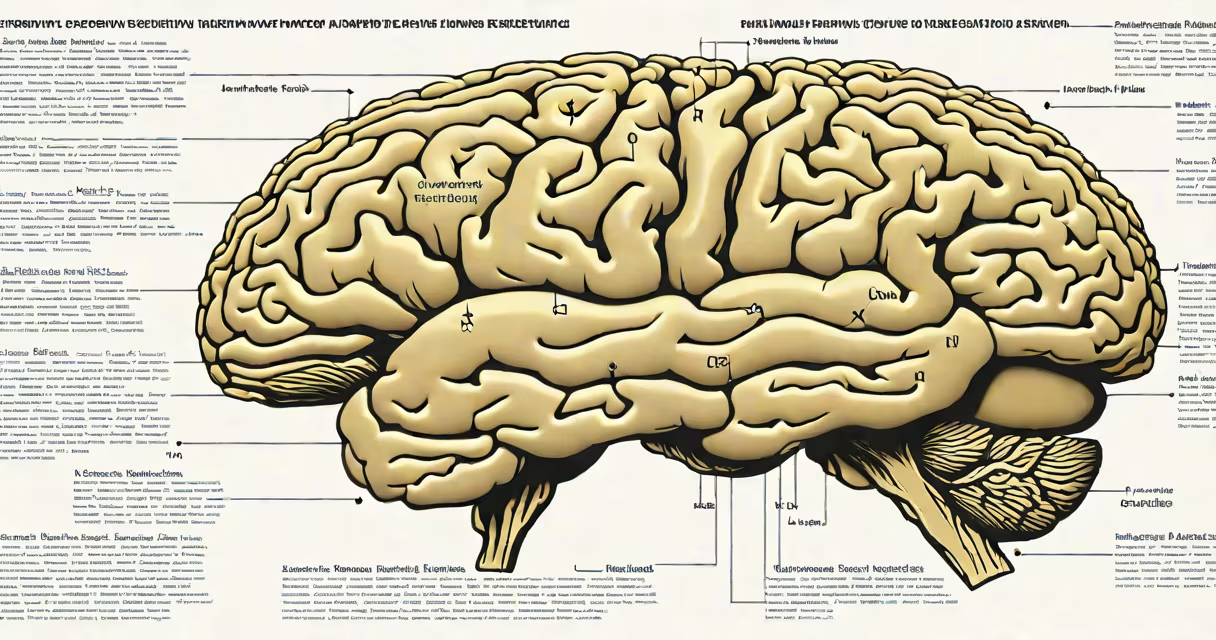
Neuroimaging studies show reduced gray matter volume in the prefrontal cortex and amygdala-brain regions critical for emotional regulation, impulse control, and moral reasoning. Individuals with ASPD consistently demonstrate impaired functioning in these areas, leading to difficulty processing fear signals and understanding others' emotions. A 2016 study published in Nature Neuroscience found that reduced connectivity between the ventromedial prefrontal cortex and the amygdala correlated strongly with antisocial behavior in adults with diagnosed ASPD.
Environmental contributors include childhood abuse, neglect, or exposure to violence. The Adverse Childhood Experiences (ACE) study, conducted by the Centers for Disease Control and Prevention and Kaiser Permanente, identified that individuals who experienced four or more adverse events in childhood were more likely to develop antisocial traits. For example, children exposed to domestic violence had a 3.5 times higher risk of developing ASPD by adulthood compared to peers with low ACE scores.
Biological Foundations
Genetic research points to heritability estimates of 50% to 60% for ASPD traits. Twin studies comparing identical and fraternal twins reveal that shared genetics account for much of the variance in callous-unemotional behaviors, which are predictive of later sociopathy. The MAOA gene, known as the "warrior gene," has been linked to increased aggression in individuals exposed to early adversity. Those with low-activity variants of MAOA who experienced childhood maltreatment were 2.7 times more likely to exhibit criminal behavior than those without the variant or without trauma.
Neurotransmitter imbalances further contribute. Low levels of serotonin are associated with poor impulse control and heightened aggression. Autopsy studies of deceased individuals with ASPD show reduced serotonin transporter binding in the brainstem, particularly in the raphe nuclei-key sites for mood and behavioral regulation.
Developmental Pathways
Not all individuals with early trauma or genetic risk develop sociopathy. The trajectory depends on timing, severity, and presence of protective factors. Children with conduct disorder-marked by aggression, destruction of property, and deceit-before age 15 have a 70% chance of meeting ASPD criteria in adulthood, according to longitudinal data from the National Institute of Mental Health.
Early language delays and poor executive function in preschool years predict later antisocial behavior. A 2020 follow-up of the Dunedin Multidisciplinary Health and Development Study found that children scoring in the lowest 10% on cognitive control tasks at age 3 were twice as likely to commit violent crimes by age 30.
One key distinction often missed: sociopathy is not synonymous with psychopathy. While both involve lack of empathy and manipulativeness, psychopathy includes additional traits such as superficial charm, grandiosity, and pathological lying. Psychopathy is rarer and more stable over time, whereas ASPD symptoms may fluctuate with environment and treatment.
| Factor | Role in Sociopathy Development | Evidence Source |
|---|---|---|
| Low MAOA gene activity | Increases aggression under stress | Caspi et al., Science, 2002 |
| Childhood physical abuse | 3.5x higher risk of ASPD | CDC-Kaiser ACE Study, 2010 |
| Reduced prefrontal gray matter | Linked to poor decision-making | Yang et al., Nature Neuroscience, 2016 |
| Language delay before age 5 | Predicts later antisocial behavior | Dunedin Study, 2020 |
Common Misconceptions
Many assume sociopathy results from conscious choice or moral failure. This is incorrect. The condition stems from altered brain development and early trauma, not willful badness. People with ASPD do not experience guilt or shame in the same way neurotypical individuals do. Their inability to feel remorse is not a performance-it's a neurological deficit.
Another misconception is that all violent criminals are sociopaths. Only about 20% of incarcerated individuals meet diagnostic criteria for ASPD. Most violent behavior stems from substance use, psychosis, or situational stress-not enduring personality patterns. The FBI's Uniform Crime Reporting database shows that 68% of violent offenders have comorbid substance use disorders, highlighting the role of external factors.
I once observed a forensic evaluation where a man accused of fraud displayed no signs of anxiety during questioning, even when confronted with evidence. His speech was calm, his eye contact steady. When asked why he lied repeatedly, he said, "I didn't think anyone would care." Brain scans later confirmed structural abnormalities in his orbitofrontal cortex. That moment underscored how deeply ingrained the condition is-it's not a performance, it's a wiring issue.
When Sociopathy Is Misdiagnosed
High-functioning individuals with ASPD often go undetected until they cause harm. They may excel in careers requiring detachment-law, finance, military command-where their lack of emotional inhibition becomes an asset. This masks the disorder until a crisis occurs.
Diagnosis requires persistence of symptoms since age 15 and significant impairment in social or occupational functioning. A single act of manipulation doesn't qualify. The DSM-5 outlines specific criteria: deceitfulness, impulsivity, aggression, reckless disregard for safety, and consistent irresponsibility. Meeting at least three of these over time is required.
It's also important to distinguish ASPD from other conditions. Borderline personality disorder involves intense emotional swings and fear of abandonment-opposite to the emotional flatness seen in sociopathy. Bipolar disorder features mood episodes, while ASPD does not. Misdiagnosis leads to ineffective treatment. Antipsychotics don't reduce core ASPD traits; cognitive-behavioral therapy focused on accountability and consequence recognition shows modest benefit.
Key Takeaway
What causes sociopathy? A convergence of biological vulnerabilities-genetic, neurochemical, and structural-and early environmental adversity. No single factor explains it. The interplay determines whether someone develops persistent antisocial behavior. Understanding this helps move beyond stigma toward informed clinical and societal responses.