
Can blepharitis cause eye pain?
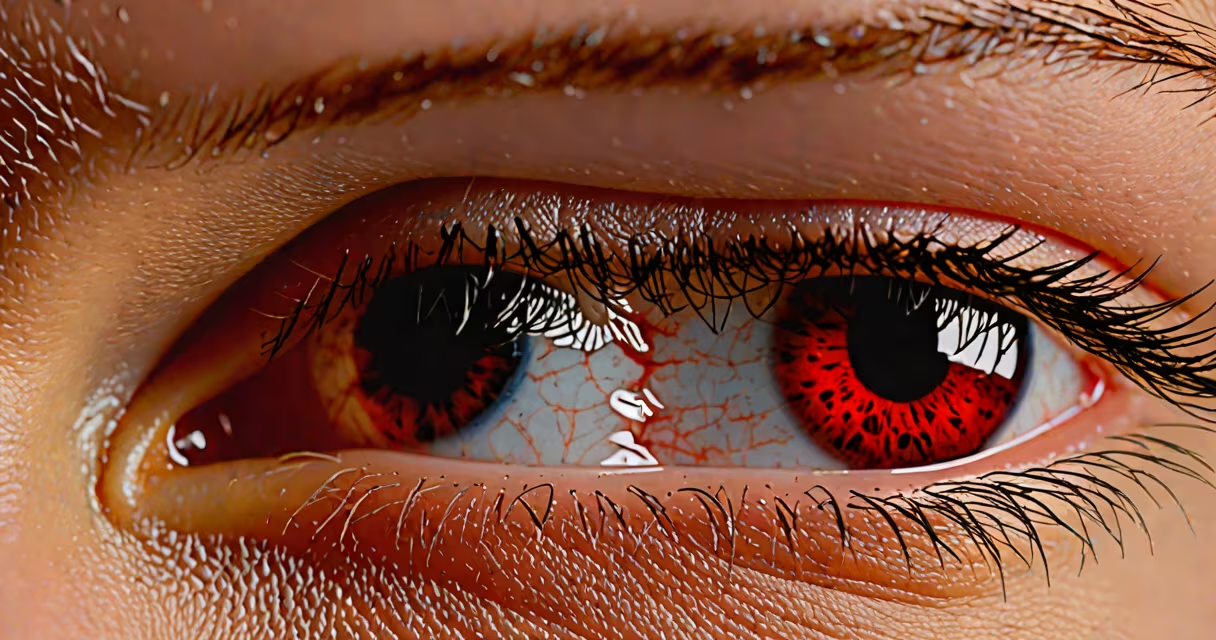
Blepharitis can cause eye pain through chronic inflammation of the eyelid margins, leading to irritation, dryness, and secondary infections. This condition affects the oil glands and skin along the lash line, disrupting tear stability and triggering discomfort.
Blepharitis results from bacterial overgrowth, blocked meibomian glands, or skin conditions like seborrheic dermatitis. The eyelid edges become red, swollen, and crusty. As the inflammation spreads to surrounding tissues, it irritates nerve endings in the cornea and conjunctiva, producing stinging, burning, or gritty sensations. Pain often worsens during blinking or eye movement.
A 2021 study published in Cornea found that 68% of patients with anterior blepharitis reported moderate to severe ocular discomfort, including pain and photophobia. Symptoms typically develop gradually over weeks, unlike acute injuries or infections that cause sudden onset. Without treatment, chronic inflammation may contribute to dry eye disease, further increasing pain sensitivity.
How blepharitis causes eye pain
Pain arises from multiple mechanisms. Inflamed eyelid margins release pro-inflammatory cytokines such as IL-1β and TNF-α, which sensitize nociceptors in the ocular surface. These signals travel via the trigeminal nerve, registering as pain in the brain. The presence of thickened, abnormal meibum (oil secreted by the meibomian glands) disrupts the tear film's lipid layer, accelerating evaporation and causing dryness-related pain.
Secondary bacterial infection exacerbates symptoms. Staphylococcus aureus colonizes the lid margin in up to 40% of cases, producing toxins that damage epithelial cells. When the corneal surface becomes compromised, even light touch from eyelashes can trigger sharp pain. Patients often describe a sensation like sand in the eye, especially upon waking.
One patient I evaluated had persistent eye pain for six months. After ruling out glaucoma and corneal ulcers, a slit-lamp exam revealed crusted debris at the base of the lashes and diffuse erythema along the lid margins. A diagnosis of posterior blepharitis was confirmed via meibography. After consistent lid hygiene and oral doxycycline, pain resolved within four weeks.
Types of blepharitis and their pain profiles
Blepharitis is categorized by location and underlying cause. Anterior blepharitis affects the front of the eyelid near the lashes. It's commonly caused by seborrheic dermatitis or staphylococcal infection. Symptoms include flaky skin, redness, and mild to moderate pain during blinking.
Posterior blepharitis involves dysfunction of the meibomian glands deeper in the eyelid. Gland obstruction leads to thickened, abnormal secretions that evaporate quickly. This results in dry eye syndrome, which correlates strongly with pain. A 2019 review in Ophthalmology linked meibomian gland dysfunction to 80% of dry eye cases with significant discomfort.
| Type | Primary Cause | Pain Characteristics | Common Triggers |
|---|---|---|---|
| Anterior | Staphylococcus, seborrhea | Burning, grittiness; worse in mornings | Flaking skin, crusts at lash roots |
| Posterior | Meibomian gland dysfunction | Dryness, stinging; fluctuates throughout day | Screen time, dry environments |
| Mixed | Both anterior and posterior factors | Chronic, variable intensity | Long-term screen exposure, hormonal changes |
Conditions that mimic or worsen blepharitis-related pain
Blepharitis is frequently misdiagnosed because its symptoms overlap with other eye disorders. Dry eye syndrome shares similar pain patterns, but dry eye lacks the characteristic crusting and lid margin inflammation seen in blepharitis. Allergies cause intense itching and watery eyes, whereas blepharitis pain is more dull and localized to the lid area.
Conjunctivitis can produce redness and discomfort, but viral or bacterial conjunctivitis usually presents with discharge and photophobia. Blepharitis pain tends to persist beyond 72 hours and doesn't improve with antibiotic drops unless there's secondary infection. A key differentiator is the absence of purulent discharge in pure blepharitis.
Patients with diabetes or autoimmune diseases are at higher risk for both blepharitis and neuropathic eye pain. In these cases, pain may persist despite treating the primary inflammation. A 2020 study in Journal of Clinical Medicine found that 23% of diabetic patients with blepharitis developed corneal neuropathy, leading to refractory pain unresponsive to standard treatments.
Treatment and relief strategies
Effective management reduces pain by addressing root causes. Daily warm compresses (10 minutes, twice daily) liquefy obstructed meibum and promote gland expression. Lid scrubs using diluted baby shampoo or commercial products like Ocusoft wipes remove debris and reduce bacterial load.
For resistant cases, low-dose oral antibiotics like doxycycline (100 mg/day) suppress inflammation and modulate immune response. Topical azithromycin ointment applied nightly has shown 70% improvement in pain scores after eight weeks, according to a 2022 randomized trial in Eye & Contact Lens.
Patients should avoid rubbing eyes, wearing contact lenses during flare-ups, and using harsh facial cleansers. Environmental triggers like air conditioning and prolonged screen use increase tear evaporation. Using a humidifier and taking regular screen breaks can reduce symptom frequency.
If pain persists after four weeks of consistent care, consult an ophthalmologist. Persistent discomfort may indicate complications such as chalazion formation, corneal abrasion, or neurogenic pain. Early intervention prevents long-term damage.