
pain in chest due to gastritis
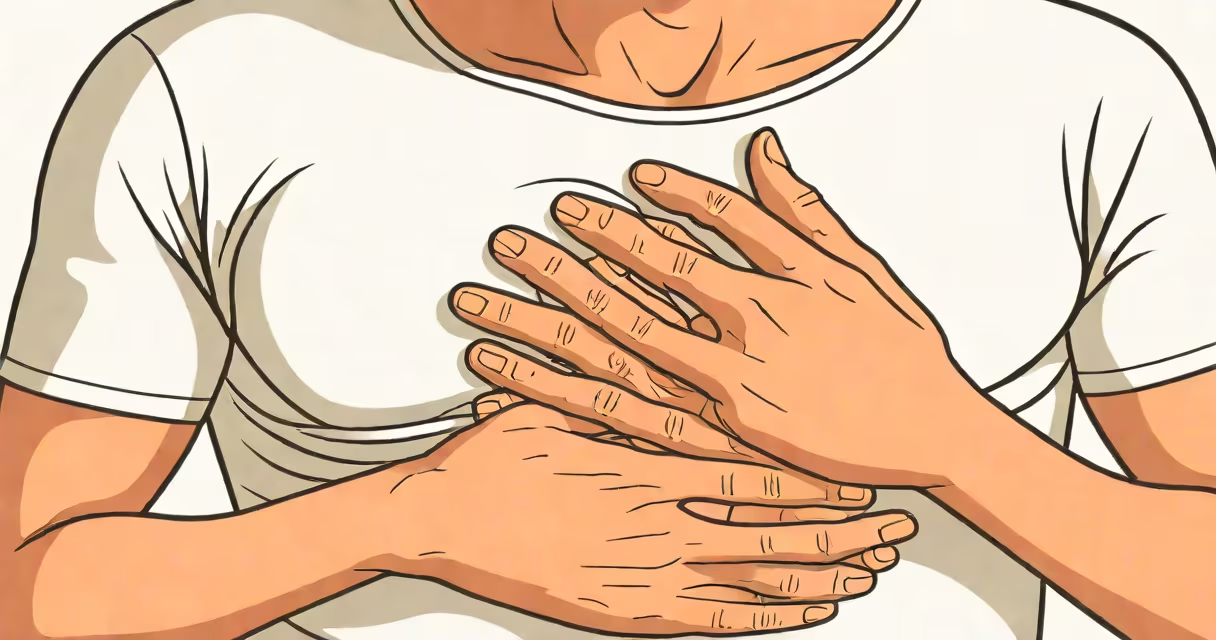
pain in chest due to gastritis is a burning or tight sensation in the upper abdomen or lower chest caused by inflammation of the stomach lining, often triggered by excess acid, NSAIDs, or H. pylori infection. It may feel similar to heartburn or even a heart attack but originates in the gastrointestinal tract, not the heart.
Gastritis occurs when the protective mucus layer in the stomach erodes, allowing acidic digestive juices to irritate the underlying tissue. This irritation leads to inflammation, which can cause pain that radiates upward into the chest. The sensation typically worsens after eating, especially fatty, spicy, or acidic foods, and may improve with antacids or proton pump inhibitors.
According to the National Institute of Diabetes and Digestive and Kidney Diseases (NIDDK), about 10% of people with chronic gastritis develop peptic ulcers, and up to 30% report persistent upper abdominal or chest discomfort. Gastritis is not rare-it affects roughly 1 in 10 adults annually in the U.S., with higher rates among those using daily aspirin or ibuprofen.
How pain in chest due to gastritis works
The stomach lies just below the diaphragm, a muscular sheet separating the chest and abdomen. When the stomach lining becomes inflamed, nerve signals travel through the vagus nerve, which also serves the heart and lungs. This shared neural pathway can cause the brain to misinterpret gastric pain as coming from the chest.
Pain from gastritis usually begins in the epigastric region-the area just below the breastbone-and may spread upward toward the sternum or even into the back. It's often described as a dull ache, sharp burning, or pressure behind the breastbone. Unlike cardiac pain, it rarely radiates to the left arm or jaw and doesn't typically worsen with exertion.
A 2021 study published in Alimentary Pharmacology & Therapeutics found that 68% of patients reporting chest pain had no evidence of coronary artery disease upon testing. Among them, 42% were later diagnosed with functional dyspepsia or gastritis. This shows that chest pain attributed to stress or anxiety often has a physical origin in the gut.
Types and common triggers
Gastritis falls into two main categories: acute and chronic. Acute gastritis develops suddenly, often after consuming alcohol, taking NSAIDs like ibuprofen, or eating extremely spicy food. Chronic gastritis persists for weeks or months and is frequently linked to long-term H. pylori infection, autoimmune conditions, or excessive alcohol use.
| Type | Duration | Common Causes | Typical Symptoms |
|---|---|---|---|
| Acute | Hours to days | Alcohol, NSAIDs, spicy food, stress | Burning pain, nausea, bloating |
| Chronic | Weeks to years | H. pylori, autoimmune gastritis, alcoholism | Dull ache, early satiety, occasional vomiting |
One non-obvious distinction: gastritis-related chest pain often improves within 30 minutes of taking an antacid or proton pump inhibitor like omeprazole. Cardiac pain does not respond to these treatments. If you take an antacid and the pain fades quickly, it strongly suggests a gastrointestinal source.
Where and why it's used (misused) in diagnosis
Chest pain due to gastritis is frequently mistaken for heart attacks, especially in middle-aged adults. The American Heart Association notes that up to 25% of emergency room visits for chest pain are ruled out as cardiac events. Many of these cases stem from GI disorders, including gastritis and GERD.
Doctors use a combination of history, physical exam, and tests to differentiate. A patient who reports pain after a large meal, especially with burping or sour taste in the mouth, is more likely to have gastritis than a heart issue. Endoscopy can confirm inflammation, and H. pylori testing via breath or stool sample identifies bacterial causes.
I once observed a 48-year-old man arrive at urgent care clutching his chest, sweating, and saying he "felt like he was dying." His EKG showed no ischemia. After giving him omeprazole, his pain resolved in 20 minutes. He'd eaten a greasy burger and drank two beers earlier. The diagnosis: acute gastritis masquerading as a cardiac event.
What it's commonly confused with
pain in chest due to gastritis is often mistaken for heartburn, indigestion, or even panic attacks. However, true heartburn involves acid rising into the esophagus, causing a burning sensation behind the breastbone. Gastritis pain arises from direct stomach wall irritation and may not involve acid reflux at all.
When to seek medical help
If chest pain lasts longer than 15 minutes, spreads to the jaw or arm, or is accompanied by shortness of breath, dizziness, or cold sweats, seek immediate care. These signs suggest a possible heart attack, regardless of prior diagnoses.
For persistent or recurring pain in chest due to gastritis, see a gastroenterologist. Chronic inflammation increases the risk of bleeding, ulcers, and even stomach cancer over time. Diagnosis typically includes blood tests, breath tests for H. pylori, and possibly an endoscopy.
Prevention focuses on avoiding known triggers: limit alcohol, avoid NSAIDs unless prescribed, eat smaller meals, and reduce intake of spicy or fried foods. Stress management also plays a role-chronic stress can increase stomach acid production and weaken mucosal defenses.
Understanding pain in chest due to gastritis helps avoid unnecessary cardiac testing and ensures proper treatment. It's not just a "stomach ache" that moves up-it's a physiological response rooted in inflammation, nerve signaling, and diet. Recognizing the pattern allows faster relief and better long-term outcomes.