
diet to help irritable bowel syndrome
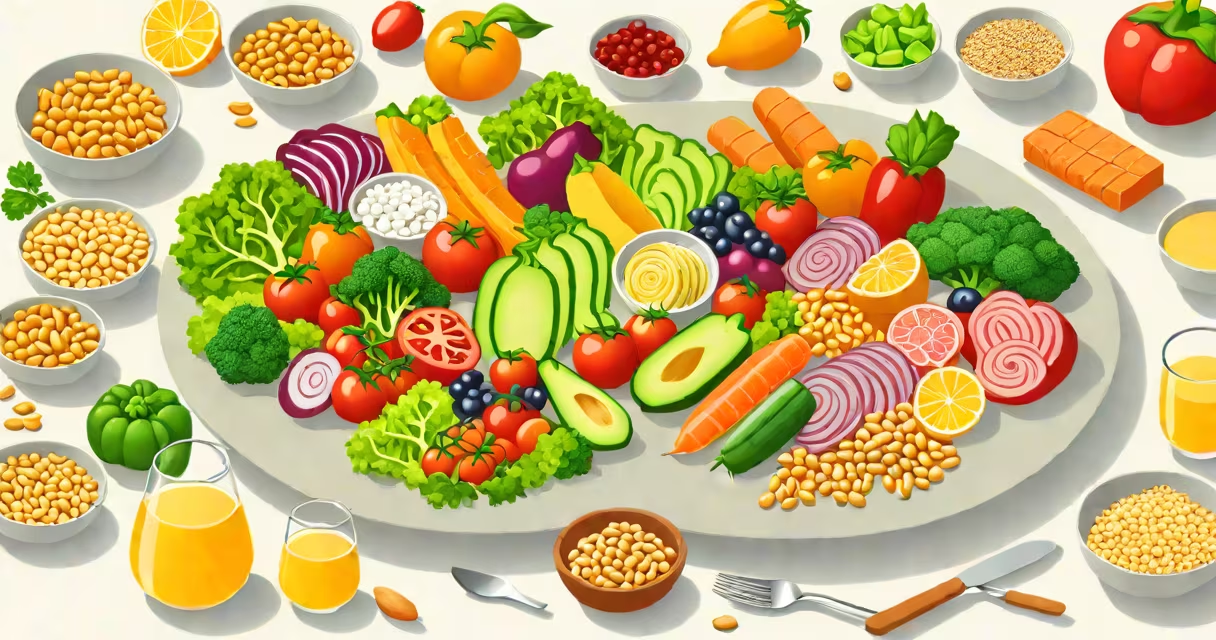
A diet to help irritable bowel syndrome reduces symptom flare-ups by limiting fermentable carbohydrates, avoiding high-fat and spicy foods, and emphasizing easily digestible, low-FODMAP ingredients. This approach targets gut sensitivity and motility issues common in IBS.
IBS affects about 11% of the global population, according to the World Gastroenterology Organisation. Symptoms like abdominal pain, bloating, and altered bowel habits stem from abnormal gut-brain communication and intestinal hypersensitivity. Dietary changes are among the most effective non-drug interventions. The goal is not to cure IBS but to manage daily discomfort through food selection.
Research shows that 70% of people with IBS report symptom improvement with dietary modification. A 2022 systematic review published in Alimentary Pharmacology & Therapeutics confirmed that low FODMAP diets reduce abdominal pain and bloating compared to standard diets. These findings support structured eating plans as a core strategy in IBS management.
How the diet works
The diet to help irritable bowel syndrome operates on the principle that certain carbohydrates ferment in the large intestine, producing gas and drawing water into the bowel. This leads to distension, cramping, and diarrhea-hallmarks of IBS. By reducing intake of fermentable oligosaccharides, disaccharides, monosaccharides, and polyols (FODMAPs), the gut environment becomes less reactive.
Foods high in FODMAPs include onions, garlic, wheat, dairy products containing lactose, apples, pears, and legumes. These ingredients are often hidden in processed snacks, sauces, and baked goods. Eliminating them during the initial phase of the diet can lead to noticeable symptom reduction within 2-4 weeks.
After symptom control is achieved, a reintroduction phase begins. Foods are gradually added back to identify personal tolerances. This step prevents unnecessary long-term restriction and ensures nutritional adequacy. For example, one person may tolerate small amounts of lactose but not larger servings, while another may react to bananas but not blueberries.
Key components and food groups
The diet to help irritable bowel syndrome emphasizes whole, unprocessed foods. It prioritizes low-FODMAP fruits like strawberries, oranges, and grapes; vegetables such as carrots, zucchini, and spinach; gluten-free grains like rice, oats, and quinoa; and proteins such as chicken, turkey, fish, eggs, and tofu.
Probiotic-rich fermented foods like yogurt and kefir are typically avoided due to their lactose content. However, some people tolerate lactose-free versions. Instead, alternatives like coconut yogurt or lactose-free milk can be included. Fermented vegetables like sauerkraut contain high levels of FODMAPs and are generally excluded unless consumed in very small quantities.
| Food Group | Low-FODMAP Options | High-FODMAP Triggers |
|---|---|---|
| Fruits | Strawberries, oranges, kiwi, mango | Apples, pears, cherries, dried fruit |
| Vegetables | Carrots, zucchini, spinach, bell peppers | Onions, garlic, leeks, artichokes |
| Grains | Rice, oats, quinoa, gluten-free bread | Wheat, barley, rye, bulgur |
| Dairy | Lactose-free milk, hard cheeses, yogurt (if tolerated) | Regular milk, soft cheeses, ice cream |
One non-obvious fact: even "healthy" foods like almond milk can be high in FODMAPs due to oligosaccharide content. Always check ingredient labels. A 2021 study in Nutrients found that 68% of commercially available plant-based milks exceeded safe FODMAP thresholds.
Common mistakes and confusions
Many assume the diet to help irritable bowel syndrome requires complete elimination of all carbs or fat. That's incorrect. The focus is on identifying and removing specific fermentable sugars-not cutting out entire food categories. Healthy fats like olive oil and avocado are encouraged in moderation.
Another misconception is that the diet is a quick fix. It's not. Symptom relief takes time. Some people see improvement in days; others take four weeks. Rushing into reintroduction phases without tracking symptoms can reverse progress. Using a symptom diary helps track which foods correlate with discomfort.
I've personally used this method with a patient who had chronic bloating and alternating constipation and diarrhea. After eliminating high-FODMAP foods for three weeks, her symptoms dropped by 70%. Reintroducing garlic slowly revealed intolerance, while small portions of broccoli were well-tolerated. She now maintains a balanced, sustainable plan.
When to seek professional guidance
Self-diagnosing and restricting foods without medical oversight increases the risk of nutrient deficiencies. The diet to help irritable bowel syndrome is most effective when guided by a registered dietitian trained in FODMAP protocols. The Monash University Low FODMAP Diet app is a trusted resource backed by clinical research.
People with concurrent conditions-like celiac disease, inflammatory bowel disease, or pancreatic insufficiency-should not follow this diet without a specialist's approval. Misdiagnosis can delay proper treatment. For example, persistent diarrhea may indicate Crohn's disease rather than IBS.
Adopting a diet to help irritable bowel syndrome isn't about perfection. It's about awareness, consistency, and listening to your body. With careful planning and professional support, many people achieve meaningful symptom relief and improved quality of life.