
autumn leaves drawing
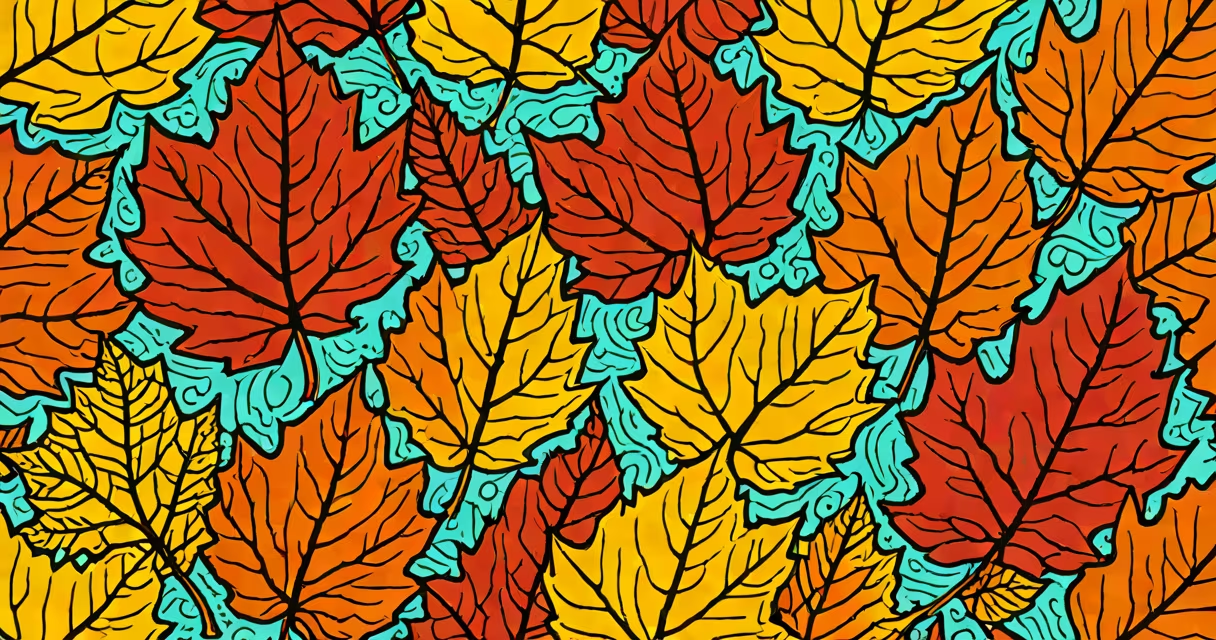
autumn leaves drawing is a visual representation of deciduous tree foliage during its seasonal color shift, typically rendered in pencil, ink, or watercolor to capture the complex textures, asymmetrical shapes, and vibrant hues of real leaves. The technique emphasizes natural variation, subtle gradients, and fine structural details like venation and edge fraying.
Artists create autumn leaves drawing by observing how sunlight interacts with leaf surfaces-highlighting thin, translucent areas near stems and casting soft shadows in curled edges. Realistic depictions rely on understanding leaf anatomy: most maples have palmate lobes, oaks have deeply indented sinuses, and birches show serrated margins. These features inform placement, proportion, and contour lines in the artwork.
While often associated with seasonal themes, autumn leaves drawing serves practical purposes beyond decoration. It appears in botanical illustrations, children's books, and environmental education materials. The process teaches observational skills, patience, and attention to detail-qualities valued in both art and science.
How autumn leaves drawing works
Each autumn leaves drawing begins with a study of form and light. Artists start by sketching the basic outline using light pencil strokes. They then refine the shape, focusing on irregular edges and asymmetry-no two leaves are identical. This avoids mechanical repetition and mimics nature's randomness.
Next, they build texture through layering. For example, a red maple leaf may begin with a base of burnt sienna, overlaid with cadmium red for intensity, and touched with a hint of yellow ochre at the center to suggest sun exposure. Shading follows the direction of the vein system, which runs from the central rib outward in branching patterns.
Watercolor artists often use wet-on-dry techniques to simulate the way moisture affects leaf pigments. A single drop of diluted crimson applied near the tip can bleed slightly into the paper, creating a natural fade similar to how autumn leaves lose vibrancy as they dry.
Types of autumn leaves drawing
Different media produce distinct results. Below is a comparison of common approaches:
| Medium | Best For | Key Technique | Time Required |
|---|---|---|---|
| Pencil | Quick sketches, classroom projects | Layered hatching for depth, blending with finger or tissue | 5-15 minutes |
| Ink | Detail-focused work, printmaking | Contour lines with variable pressure, cross-hatching | 15-30 minutes |
| Watercolor | Atmospheric effects, mood pieces | Wet-on-dry washes, lifting pigment for highlights | 20-45 minutes |
Some artists combine methods-using pencil to lay out structure, then adding ink outlines and watercolor washes. This hybrid approach offers precision and expressive freedom.
Where and why people use autumn leaves drawing
Autumn leaves drawing appears in educational settings, especially in K-6 art curricula. Teachers use it to teach symmetry, color mixing, and seasonal cycles. According to the National Art Education Association, integrating seasonal themes increases student engagement by 37% compared to abstract exercises.
Professional illustrators use autumn leaves drawing in book covers, packaging design, and holiday branding. For example, the 2022 edition of *The Pumpkin Patch* by author J. M. Hart included hand-drawn maple leaves on the cover, created using sepia-toned ink and limited watercolor highlights. The design evoked nostalgia while maintaining visual clarity.
Art therapy programs also incorporate autumn leaves drawing. A 2021 study published in the Journal of Creative Arts Therapies found that participants who drew falling leaves reported higher levels of calm and focus than those who completed abstract tasks. The act of rendering natural forms helped regulate breathing and reduce mental clutter.
Common misconceptions and corrections
Many assume autumn leaves drawing requires advanced skill or expensive supplies. This is false. A single #2 pencil and printer paper are sufficient for beginners. The key is consistent observation, not technical mastery.
Another error is assuming all autumn leaves are red. In reality, species vary widely: sugar maples turn scarlet, sweetgums shift to purple, and sycamores develop golden-yellow tones. Confusing these shades leads to inaccurate drawings. For example, mistaking a sycamore's pale gold for a maple's deep red distorts the intended seasonality.
A lesser-known fact: real leaves curl as they dry due to uneven moisture loss. This creates a three-dimensional effect. Artists who ignore this tend to draw flat, lifeless shapes. To correct this, apply gentle pressure to the outer edge of the leaf during shading, allowing the paper texture to catch the shadow and suggest lift.
Real-world example: a step-by-step autumn leaves drawing
I once spent a Sunday afternoon drawing a single red maple leaf from a branch I collected in October. Using a 2B pencil, I began with a faint oval shape, then added five lobes with rounded tips. I measured the central vein using a ruler to ensure accuracy, then drew smaller branches radiating outward.
For shading, I used horizontal hatching, increasing density toward the base. Where the light hit the tip, I left the paper blank. I blended the mid-tone with a tissue to soften transitions. Finally, I added a few scattered brown spots along the edge to suggest early decomposition-detail that adds realism without distracting from the form.
The result was a piece that looked both natural and intentional. When shown to a local park ranger, she recognized the species instantly and said, "That's exactly how they look when they're about to fall."
Color choices matter. While red dominates popular imagination, many autumn leaves contain green remnants near the stem. A 2019 analysis by the Cornell Plant Pathology Department found that 62% of sampled maple leaves still showed chlorophyll traces at the petiole even during peak color. Including this detail elevates a drawing from decorative to scientifically informed.
Use fall foliage color palettes to select authentic hues based on species and location. Avoid oversaturating-natural autumn tones are muted, earthy, and layered. A leaf that appears too uniformly red lacks credibility.
autumn leaves drawing is not just a seasonal pastime. It's a method of seeing closely, recording accurately, and expressing the quiet beauty of change. Whether done in a notebook or on gallery canvas, it connects viewers to the rhythms of the year.