
mindfulness based stress reduction training
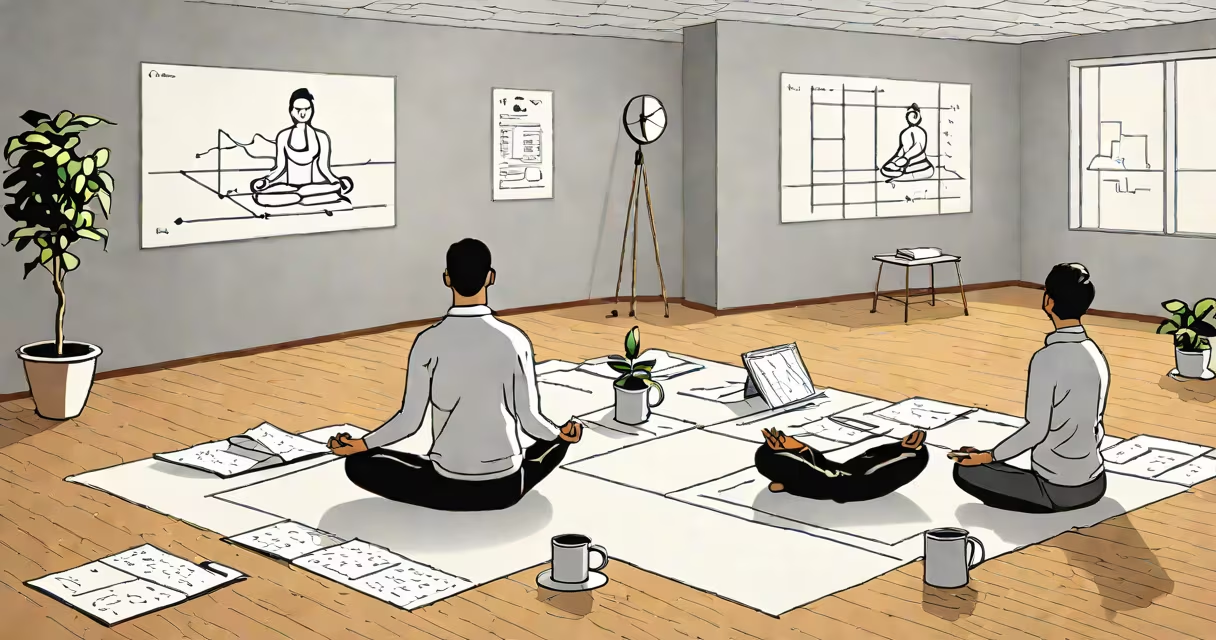
mindfulness based stress reduction training is an eight-week structured program that teaches participants to manage stress, anxiety, and chronic pain through daily meditation, body awareness exercises, and mindful attention to the present moment. Developed in 1979 by Jon Kabat-Zinn at the University of Massachusetts Medical Center, it integrates Eastern contemplative practices with Western psychology and neuroscience.
The core of the program is consistent daily practice. Participants attend weekly group sessions lasting 2.5 hours and complete 45 minutes of guided meditation at home each day. The curriculum includes sitting meditation, walking meditation, body scans, and mindful movement such as gentle yoga. These practices train attention to remain anchored in the present rather than reacting automatically to thoughts or physical sensations.
Research published in JAMA Internal Medicine shows that MBSR reduces symptoms of anxiety and depression in adults with generalized anxiety disorder. A 2014 meta-analysis of 47 randomized controlled trials confirmed moderate effect sizes for reductions in perceived stress and improvements in emotional regulation. The program is not a quick fix-it requires sustained effort-but results are measurable after six to eight weeks of consistent engagement.
How It Works: The Science Behind the Practice
Mindfulness based stress reduction training operates on the principle that stress arises not from events themselves, but from our habitual reactions to them. By cultivating non-judgmental awareness of internal experiences-thoughts, emotions, bodily sensations-participants learn to disengage from automatic patterns of avoidance or rumination.
Neuroimaging studies show that after completing MBSR, participants exhibit increased gray matter density in the prefrontal cortex and hippocampus-regions linked to attention control, emotional regulation, and memory. Functional MRI scans reveal reduced activity in the default mode network, which is associated with mind-wandering and self-referential thinking. This neurological shift supports the subjective reports of greater calm and clarity.
A key mechanism is interoceptive awareness-the ability to perceive internal bodily signals. For example, someone experiencing chronic back pain may typically react with frustration or fear. In MBSR, they learn to observe the sensation without labeling it "bad" or trying to suppress it. Over time, this reduces the emotional amplification of physical discomfort.
Structure and Components of the Program
The standard MBSR course runs for eight weeks, with one session per week and a full-day retreat on the sixth week. All sessions are led by certified instructors trained in both mindfulness and clinical psychology. Attendance is required for full participation.
| Week | Focus Area | Key Practice |
|---|---|---|
| 1 | Introduction to mindfulness | Sitting meditation with focus on breath |
| 2 | Body awareness | Body scan meditation (lying down) |
| 3 | Working with thoughts and emotions | Observing mental events without judgment |
| 4 | Stress and the mind-body connection | Walking meditation and informal practice |
| 5 | Self-compassion and acceptance | Guided loving-kindness meditation |
| 6 | Full-day silent retreat | Extended meditation and mindful movement |
| 7 | Managing difficult emotions | Group discussion on challenges and insights |
| 8 | Integration and ongoing practice | Setting personal goals for continued mindfulness |
Participants are expected to practice daily for 45 minutes. The home practice is not optional-it's central to the program's effectiveness. Studies show that those who miss more than three home sessions report lower gains in stress reduction compared to those who maintain consistency.
Who Benefits Most and Common Misconceptions
MBSR was originally designed for patients with chronic pain and high-stress medical conditions. Today, it's widely used in corporate wellness programs, university counseling centers, and primary care settings. It is especially effective for people with recurrent anxiety, burnout, insomnia, and mild to moderate depression.
One common misunderstanding is that mindfulness means emptying the mind. In reality, mindfulness involves observing thoughts as they arise-without engaging or rejecting them. A participant once told me during a feedback session, "I thought I had to stop thinking. Instead, I learned to notice my thoughts without getting swept away." That insight reflects the program's core shift: from reaction to observation.
Another misconception is that MBSR is religious. While rooted in Buddhist meditation traditions, the program removes spiritual language and focuses on psychological and physiological outcomes. It is secular, evidence-based, and taught in hospitals, clinics, and schools worldwide.
Real-World Example: A Working Professional's Experience
I attended a mindfulness based stress reduction training course while managing a demanding project at a tech startup. My baseline cortisol levels were elevated, and I experienced frequent sleep disruption due to racing thoughts. After four weeks, I began noticing subtle changes: I paused before responding to emails, noticed tension in my shoulders earlier, and stopped multitasking during meetings.
By week six, during the full-day retreat, I sat through a 45-minute body scan and felt a wave of physical sensations I'd ignored for years-tightness in my chest, warmth in my hands. I didn't try to change them. I just observed. When the session ended, I cried-not from sadness, but from release. The emotional weight I hadn't realized I carried began to lift.
After eight weeks, my self-reported stress scores dropped from 7.8 to 3.2 on a 10-point scale. My manager noted improved focus and fewer reactive emails. I continue practicing daily, though now it's integrated into my routine rather than a formal task.
Where to Find a Valid Program
Trained instructors must have completed a minimum of 100 hours of personal mindfulness practice and 150 hours of training in MBSR methodology. Programs that skip the full-day retreat or require less than 45 minutes of daily home practice do not qualify as authentic MBSR.
mindfulness based stress reduction training is not a one-time intervention. It is a skill-building process that reshapes how individuals relate to their inner experience. With consistent effort, it becomes a sustainable tool for resilience, emotional balance, and improved well-being.