
Is fluoride treatment necessary for adults
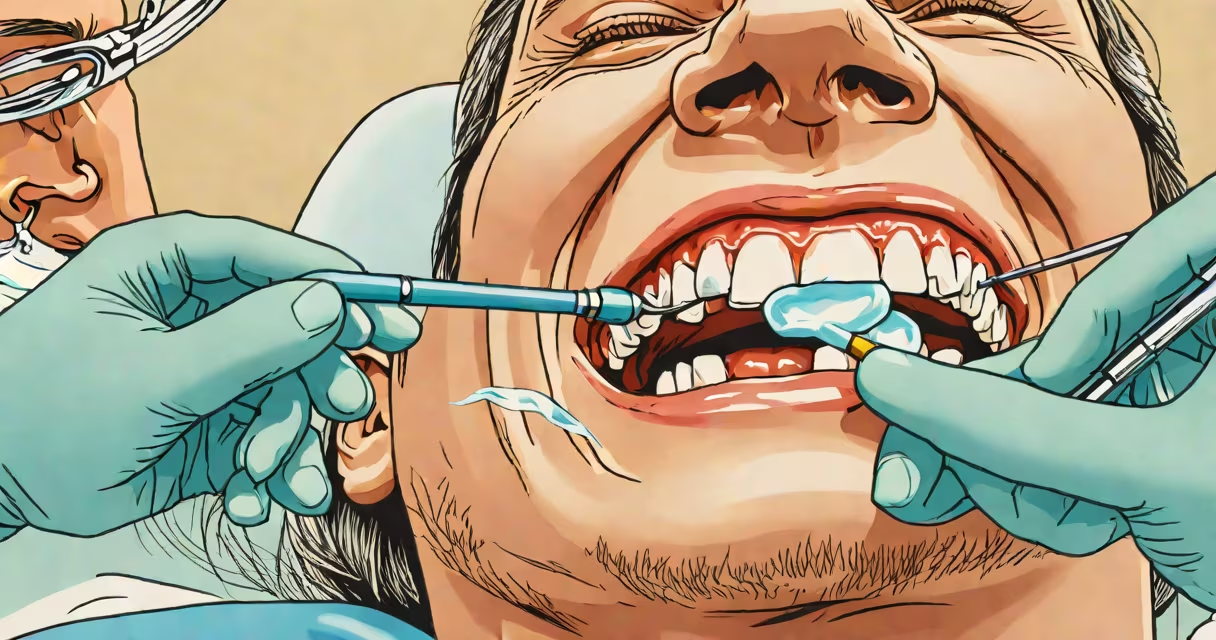
Fluoride treatment is not universally required for all adults but is recommended for those at increased risk of tooth decay due to medical conditions, medications, poor oral hygiene, or prior cavities. The American Dental Association (ADA) and Centers for Disease Control and Prevention (CDC) affirm that fluoride strengthens enamel and reverses early decay, making it a key preventive tool even in adulthood.
Fluoride works by integrating into tooth enamel, making it more resistant to acid attacks from plaque bacteria and dietary sugars. When applied professionally, it forms a protective layer that reduces demineralization and promotes remineralization. This process slows or halts early decay, particularly in areas prone to cavities such as near fillings, along gum lines, or around orthodontic appliances.
Not all adults need fluoride treatments annually. The decision depends on individual risk factors. Adults with dry mouth (xerostomia), often caused by medications like antihypertensives or antidepressants, face higher cavity rates because saliva buffers acids and cleans teeth. Without sufficient saliva, fluoride becomes essential. A 2020 study published in Journal of the American Dental Association found that adults on multiple medications had 3.2 times greater risk of root decay compared to those not on medication.
Types of fluoride treatments
Dental offices offer several forms of fluoride application, each suited to different clinical scenarios:
| Treatment Type | Fluoride Concentration | Application Time | Best For |
|---|---|---|---|
| Fluoride varnish | 5% sodium fluoride | 1-2 minutes | High-risk patients, children, adults with dry mouth |
| Fluoride gel | 1.1% sodium fluoride | 4 minutes | Patients with visible early decay, orthodontic work |
| Fluoride rinse | 0.05% sodium fluoride | 1 minute | General prevention, home use supplement |
Fluoride varnish is the most common in adult care due to its long-lasting effect and low risk of swallowing. It adheres to teeth and slowly releases fluoride over 6-12 hours. Gel treatments require a tray and are less frequently used in adults unless targeting specific lesions. Rinses are typically prescribed for daily home use, not in-office applications.
Risk factors that make treatment necessary
Adults with certain health conditions benefit from regular fluoride treatments. Dry mouth affects nearly 1 in 5 adults in the U.S., according to the CDC. Medications such as gabapentin, antihistamines, and blood pressure drugs reduce salivary flow, increasing cavity risk. In one study, 68% of adults on four or more medications developed new cavities within two years without fluoride interventions.
Root decay is another major concern. As people age, gums recede, exposing the softer root surface, which lacks enamel protection. The ADA reports that root caries is rising among adults aged 50+, with prevalence doubling since 2000. Fluoride varnish applied to exposed roots reduces lesion progression by up to 45%, per a 2019 randomized controlled trial in Community Dentistry and Oral Epidemiology.
Other high-risk groups include adults with frequent snacking, poor brushing habits, or previous dental work. Those with crowns, bridges, or implants may develop decay at the margins where the restoration meets natural tooth. Fluoride helps maintain integrity in these vulnerable zones.
Common misconceptions and corrections
Many adults assume fluoride is only for children. This is incorrect. While early-life exposure builds strong enamel, continued use in adulthood prevents new decay and stabilizes existing damage. The idea that "tooth decay stops after age 30" is false. The National Institute of Dental and Craniofacial Research (NIDCR) confirms that adults over 50 have the highest rate of untreated decay in the U.S.
Another misconception is that fluoride causes systemic harm. The FDA and World Health Organization (WHO) state that professional fluoride treatments pose negligible risk. A single in-office application delivers about 0.2 mg of fluoride, far below the tolerable upper intake level of 10 mg/day for adults. No credible evidence links dental fluoride to cancer, cognitive decline, or kidney disease.
A non-obvious fact: fluoride does not prevent all types of tooth decay. It primarily targets smooth-surface and pit-and-fissure cavities. It is less effective against interproximal decay between teeth, which requires flossing and sealants. Fluoride is part of a layered defense, not a standalone solution.
Real-world example: Adult patient with dry mouth
Consider a 62-year-old woman taking lisinopril for hypertension and diphenhydramine for sleep. She reports constant dry mouth and has had two root cavities in the past five years. Her dentist identifies active decay on her lower molars and applies fluoride varnish twice a year. Over 18 months, no new cavities form, and existing lesions stabilize. Her dentist recommends continuing the treatment and using a fluoride mouth rinse nightly.
This case illustrates that fluoride is not optional for high-risk adults. Without intervention, she would likely progress to tooth loss or complex restorative procedures. The cost of prevention is far lower than treating advanced decay.
During a routine checkup, I observed a patient with severe gingival recession and multiple exposed roots. After applying fluoride varnish, the dentist noted visible reduction in sensitivity and slower progression of decay over six months. The patient reported improved comfort and confidence in eating.
When fluoride treatment isn't needed
Adults with excellent oral hygiene, no history of decay, and normal salivary flow may not require routine fluoride treatments. Those who brush twice daily with fluoridated toothpaste, floss regularly, and limit sugary foods and drinks are at low risk. The ADA states that for low-risk individuals, fluoride supplements are unnecessary.
However, even low-risk adults should maintain fluoride exposure through daily toothpaste use. The CDC recommends toothpaste containing at least 1,000 ppm fluoride. Using a non-fluoridated product increases decay risk by 30% over five years, based on a 2018 longitudinal analysis.
Final recommendation
Is fluoride treatment necessary for adults? Not for everyone-but yes, for those with elevated risk. The decision should be based on clinical assessment, not age alone. High-risk adults, including those with dry mouth, prior decay, or medical conditions affecting oral health, benefit from professional fluoride applications. For others, consistent use of fluoride toothpaste provides adequate protection.