
What Are Body Organs
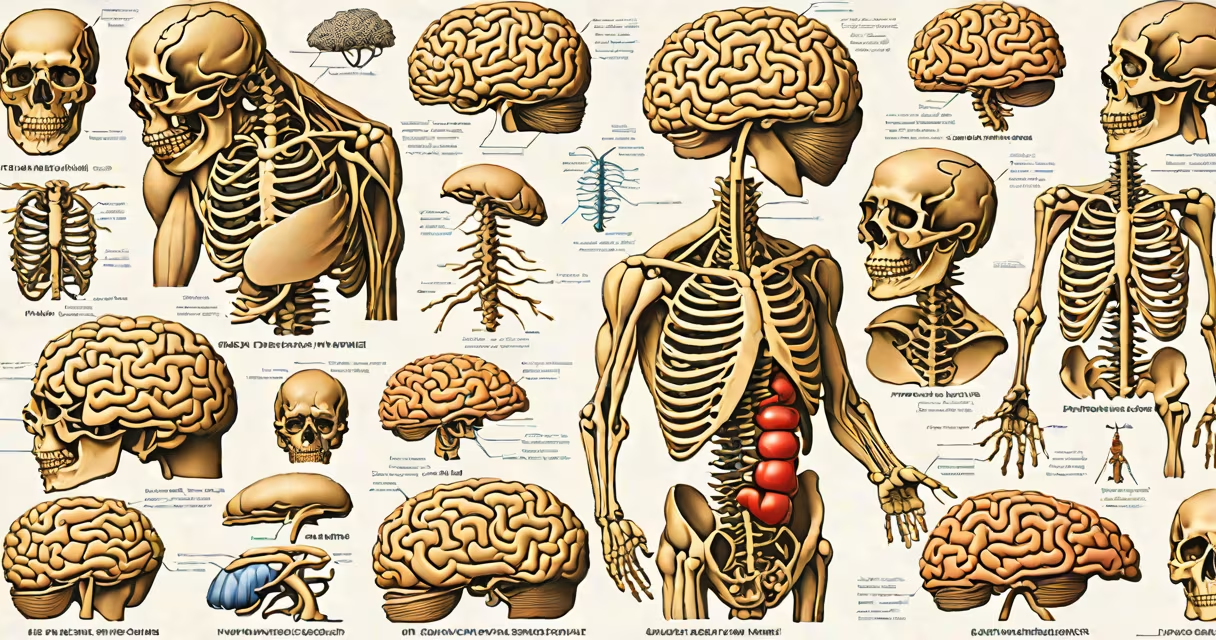
Body organs are distinct, functional units within the human body that carry out specific physiological tasks necessary for survival. Each organ is composed of multiple tissue types working together to perform a defined role, such as filtering blood, processing nutrients, or regulating hormones.
Organs operate as part of larger systems-like the circulatory system or digestive system-where their coordinated actions maintain homeostasis. The heart pumps blood, the liver detoxifies substances, and the kidneys filter waste. These functions are not isolated; they depend on interactions across organ systems.
According to the National Institutes of Health (NIH), there are 78 recognized organs in the adult human body, though the count varies slightly depending on classification criteria. Some organs, like the spleen and appendix, have secondary roles and are not essential for survival in all individuals.
How Body Organs Work Together
Each organ performs a task based on its structure and cellular composition. For example, the pancreas contains clusters of cells called islets of Langerhans that produce insulin and glucagon-hormones that regulate blood sugar levels. When glucose rises after eating, beta cells in the pancreas release insulin, which signals muscle and fat cells to absorb glucose from the bloodstream.
This process illustrates how organs integrate with metabolic regulation. A failure in pancreatic function leads to diabetes mellitus, a condition affecting over 37 million people in the United States alone, according to the Centers for Disease Control and Prevention (CDC).
Organs communicate through nervous and hormonal pathways. The hypothalamus in the brain detects changes in body temperature and triggers sweat production via the sympathetic nervous system. This feedback loop maintains core temperature within a narrow range-typically 36.1°C to 37.2°C-critical for enzyme activity and cellular stability.
Types of Body Organs and Their Functions
Organs fall into categories based on their primary function. The following table outlines key organs, their systems, and core responsibilities:
| Organ | System | Primary Function |
|---|---|---|
| Heart | Circulatory | Pumps oxygenated blood throughout the body |
| Lungs | Respiratory | Exchanges oxygen and carbon dioxide in alveoli |
| Stomach | Digestive | Breaks down food using gastric acid and enzymes |
| Kidneys | Urinary | Filters waste products and regulates electrolyte balance |
| Brain | Nervous | Processes sensory input and controls motor output |
Some organs serve dual roles. The liver, for instance, supports digestion by producing bile and also detoxifies drugs and alcohol. It processes about 1.5 liters of blood per minute during normal circulation, according to research published in Journal of Hepatology.
Not all organs are visible or easily accessible. The thymus, located behind the sternum, produces T-cells critical for adaptive immunity. It shrinks after puberty, a change linked to declining immune response efficiency in older adults.
Common Misconceptions About Body Organs
Many assume organs function independently. In reality, organ systems rely on interdependence. For example, the kidneys regulate blood pressure by releasing renin, which activates angiotensin II-a hormone that constricts blood vessels. This mechanism shows how renal function affects cardiovascular health.
A frequent error is equating organ size with importance. The pineal gland, roughly the size of a pea, secretes melatonin, which governs sleep-wake cycles. Disruption of melatonin signaling correlates with increased risk of depression and disrupted circadian rhythms, as noted in a 2021 study from Neuroscience Letters.
Another misunderstanding is that organs regenerate at similar rates. The liver regenerates up to 70% of its mass within days after injury, while neurons in the cerebral cortex do not replace themselves in adulthood. This difference explains why brain injuries often lead to permanent deficits.
Real-World Example: Organ Failure and Medical Intervention
In 2019, a 42-year-old man presented with acute kidney injury due to sepsis. His serum creatinine rose from 1.0 mg/dL to 5.8 mg/dL over 48 hours-an indicator of severe loss of glomerular filtration. Without intervention, his kidneys would have failed completely.
He received hemodialysis, a procedure that filters waste and excess fluid from the blood. Over five sessions, his creatinine dropped to 2.1 mg/dL. After six weeks, he regained partial function, illustrating how artificial support can bridge the gap until natural recovery occurs.
This case highlights that organs don't always fail abruptly. Chronic conditions like hypertension gradually damage kidney tissue, leading to fibrosis and reduced function over years. Early detection through routine blood tests prevents irreversible damage.
Key Distinction: Organs vs. Tissues vs. Cells
Organs differ from tissues and cells in complexity and scale. A tissue is a group of similar cells performing a shared function-such as cardiac muscle tissue in the heart. An organ combines multiple tissue types: the stomach includes epithelial lining, smooth muscle layers, connective tissue, and neural networks.
Cells are the basic unit of life. The human body contains approximately 37 trillion cells, organized into 200+ cell types. Organs emerge when these cells differentiate and assemble into functional units with defined boundaries and vascular supply.
For instance, the cornea-the transparent front layer of the eye-is made of stratified epithelium, stromal keratocytes, and endothelial cells. Its clarity relies on precise spacing between collagen fibers, maintained by ion transport mechanisms. Damage to any component disrupts vision.
Personal Observation: Surgical Exposure of Abdominal Organs
I once observed a laparoscopic cholecystectomy during medical training. The surgeon accessed the gallbladder through a small incision near the navel. The organ was inflamed and filled with cholesterol stones-common findings in patients with high-fat diets.
After removing the gallbladder, the patient reported improved digestion within two weeks. This outcome underscores that not all organs are indispensable. The liver continues to produce bile even without the gallbladder, which previously stored it. The body adapts to structural changes.