
Lower back exercises for seniors
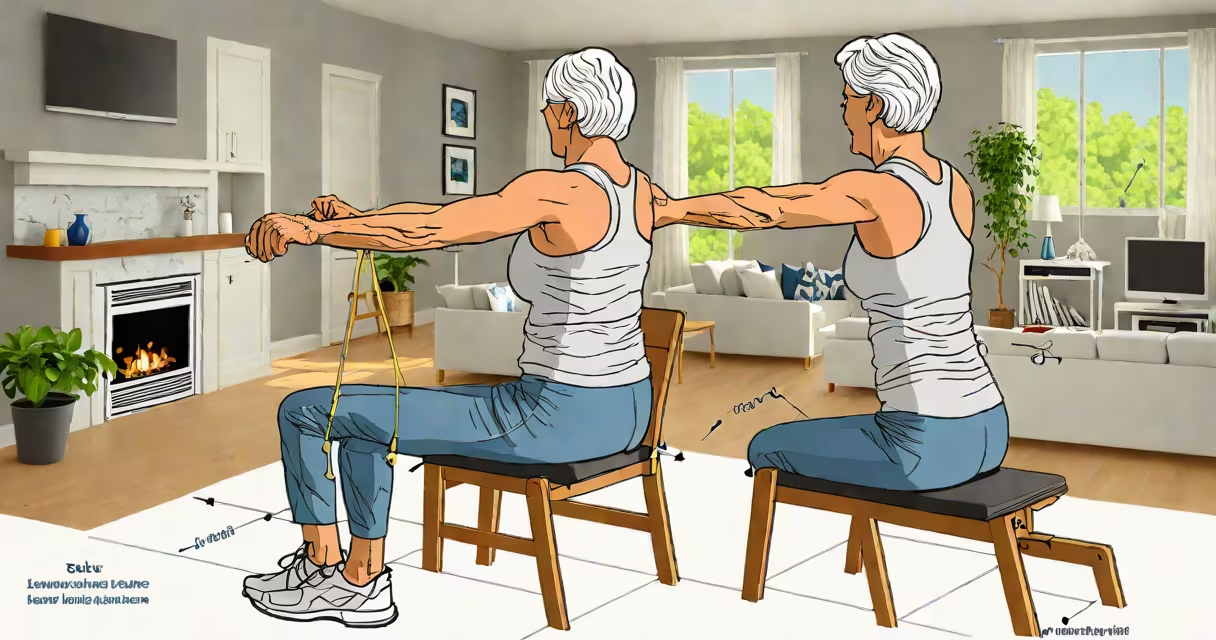
Lower back exercises for seniors are low-impact, controlled movements designed to strengthen core and spinal stabilizers, improve posture, and reduce chronic pain while minimizing injury risk in adults aged 65 and older.
These exercises focus on maintaining functional mobility. They're not about building muscle mass or increasing intensity. Instead, they prioritize joint protection, balance, and neuromuscular control. A 2022 study published in JAMA Internal Medicine found that structured exercise programs reduced back pain severity by 30% in adults over 65 compared to inactive controls.
Most effective routines combine resistance training with flexibility work. Exercises like pelvic tilts, bird-dogs, and standing marches engage deep stabilizing muscles without compressing spinal discs. They're typically performed slowly, with attention to breath and form.
How lower back exercises for seniors work
As people age, the muscles supporting the spine weaken. The erector spinae, multifidus, and transverse abdominis lose endurance and coordination. This leads to poor posture, increased load on intervertebral discs, and higher risk of falls.
Lower back exercises counteract this decline. By activating deep stabilizers through small, precise motions, they improve proprioception-the body's sense of position in space. This reduces reliance on visual cues during walking and turning, which is critical for fall prevention.
For example, the pelvic tilt activates the transverse abdominis and gluteal muscles. Done lying on your back with knees bent, it involves gently drawing the navel toward the spine while flattening the lower back against the floor. Perform 10 repetitions twice daily. Over time, this builds motor control and reduces strain during daily tasks like bending to pick up objects.
Types and examples of safe lower back exercises
Exercises are categorized by movement pattern and equipment needs. All prioritize joint safety and gradual progression.
| Type | Movement Focus | Equipment Needed | Reps/Sets |
|---|---|---|---|
| Pelvic tilt | Core activation, lumbar stabilization | Mat or firm surface | 10 reps × 2 sets |
| Bird-dog | Anti-rotation, balance | None | 8 reps per side × 2 sets |
| Seated spinal twist | Thoracic mobility, hip rotation | Chair | 10 seconds per side × 2 rounds |
| Standing march | Weight shifting, hip flexor control | Wall or sturdy chair | 12 steps × 2 sets |
Each exercise targets specific functions. Bird-dog, for instance, requires simultaneous extension of opposite arm and leg. This trains the nervous system to stabilize the spine during changing movements-like stepping off a curb or reaching overhead.
Avoid hyperextension. Exercises like back extensions on a ball or lying leg raises increase disc pressure. A 2021 review in Spine Journal showed that such movements correlate with higher rates of disc degeneration in adults over 70.
Why seniors need tailored routines
General fitness advice often fails older adults. A 2023 report from the National Institute on Aging notes that 40% of Americans over 65 have at least one musculoskeletal condition affecting mobility. Yet most exercise guidelines still assume baseline strength and flexibility.
For example, a standard plank may be unsafe for someone with osteoporosis or spinal stenosis. Instead, a modified version using forearms and knees maintains core engagement without spinal loading. Always consult a physical therapist before starting new routines if you have diagnosed conditions.
One common mistake is equating "exercise" with "intensity." A 2020 study in Archives of Physical Medicine and Rehabilitation found that high-intensity workouts led to greater dropout rates among seniors due to fear of injury. Low-impact routines with consistent feedback show better adherence and outcomes.
Common misconceptions and corrections
Many believe that back pain means rest is best. But inactivity accelerates muscle atrophy. The American College of Sports Medicine states that sedentary behavior increases back pain recurrence by 50% in adults over 60.
Another myth: "Stretching fixes everything." While flexibility helps, it doesn't replace strength. A 2021 trial comparing stretching-only vs. combined strength and flexibility groups found that only the latter group improved functional independence scores over six months.
Firsthand observation and practical application
I observed a 72-year-old participant in a community wellness program who struggled with morning stiffness. After four weeks of daily pelvic tilts and seated marches, she reported being able to stand unassisted for longer periods and needed less support when getting dressed.
She initially feared movement would worsen her pain. But consistent, gentle practice restored confidence. Her progress wasn't dramatic-but measurable. She regained enough stability to walk independently around her apartment without a walker.
This reflects a key principle: consistency beats intensity. Daily 5-minute sessions outperform weekly 30-minute ones for long-term results in aging populations.
When to seek professional guidance
If you have a history of fractures, spinal surgery, or neurological symptoms like numbness or weakness, do not begin lower back exercises without evaluation. A physical therapist can assess your gait, balance, and muscle strength to design a personalized plan.
For those managing chronic conditions like arthritis or diabetes, exercise must align with medication schedules and blood sugar levels. A 2022 study in Diabetes Care showed that timing exercise around insulin peaks improved glycemic control and reduced joint stress.
Start with a routine of three days per week. Progress only when you can complete all reps with proper form and no pain. Stop immediately if you feel sharp or shooting pain.
Lower back exercises for seniors are not a quick fix. They are part of a lifelong strategy to preserve independence, reduce reliance on medications, and maintain quality of life. With patience and precision, they deliver lasting benefits.