
hip pain piriformis muscle
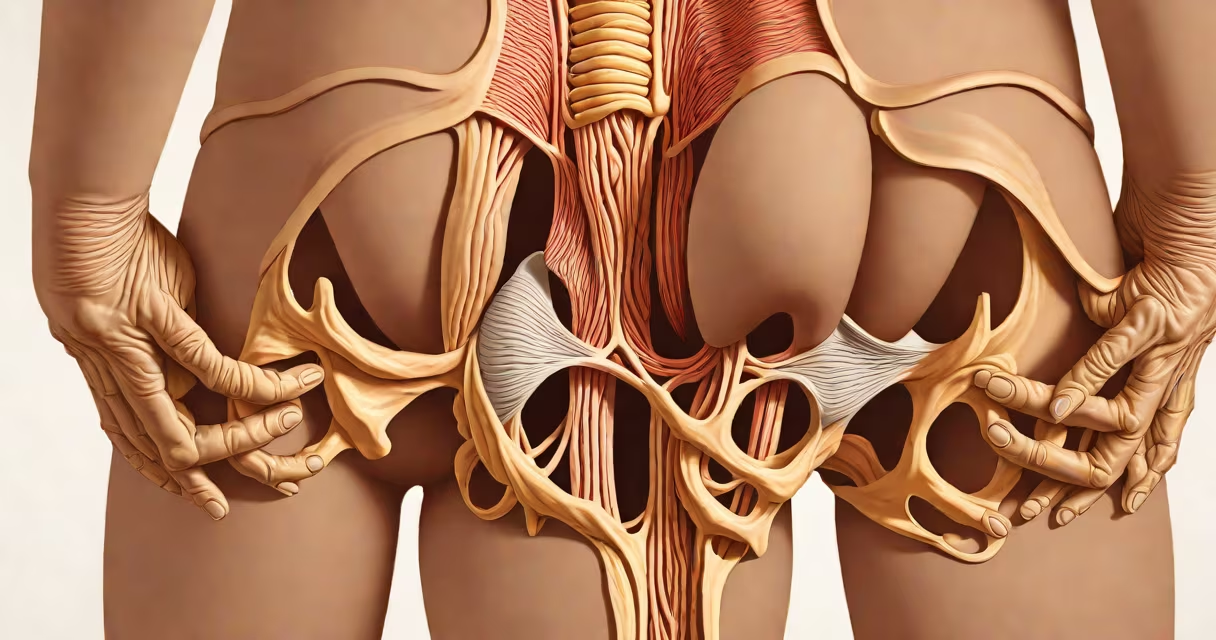
Hip pain piriformis muscle refers to discomfort originating from the piriformis, a deep-lying muscle in the buttocks that stabilizes the hip and aids in external rotation of the thigh. When this muscle becomes tight, inflamed, or spasms, it can compress the nearby sciatic nerve, leading to pain that radiates down the leg-a condition known as piriformis syndrome.
The piriformis lies beneath the gluteus maximus and runs from the sacrum to the greater trochanter of the femur. Its primary function is to rotate the hip outward. When it shortens due to prolonged sitting, overuse, or trauma, it can press against the sciatic nerve, which passes close to or through it in about 15% of people. This compression triggers sharp, burning, or tingling pain in the buttock that may extend to the calf.
According to the American Academy of Orthopaedic Surgeons (AAOS), piriformis syndrome accounts for up to 6% of sciatica cases, though diagnosis remains challenging because imaging often fails to show muscle abnormalities. The condition is frequently misdiagnosed as lumbar disc herniation or spinal stenosis, especially when symptoms mimic nerve root irritation.
How Piriformis Syndrome Develops
Prolonged sitting-especially with poor posture-increases tension in the piriformis. A study published in Physical Therapy in Sport found that office workers who sit more than six hours daily have a 40% higher risk of developing piriformis-related hip pain compared to those with active work habits. Repetitive motions such as running, cycling, or climbing stairs can also overwork the muscle, leading to microtears and inflammation.
Acute injuries like falls or sudden twists during sports can cause the muscle to go into spasm. In rare cases, anatomical variation-where the sciatic nerve runs through the piriformis rather than beneath it-makes individuals more prone to symptoms. This occurs in approximately 15% of the population, according to research in Journal of Anatomy.
A 38-year-old cyclist reported persistent right-sided hip pain that worsened after long rides. MRI scans showed no disc issues or spinal narrowing. After physical therapy targeting piriformis stretching and strengthening, his pain resolved within four weeks. This case illustrates how localized muscle dysfunction can mimic broader neurological conditions.
Types and Variants of Hip Pain Piriformis Muscle
Piriformis-related hip pain varies in presentation based on underlying cause and individual anatomy. The most common forms include:
| Type | Description | Common Triggers |
|---|---|---|
| Acute Spasm | Sudden, intense pain from muscle contraction; often follows trauma or overexertion. | Falls, sudden twisting, heavy lifting |
| Chronic Overuse | Gradual onset of dull ache or stiffness; linked to repetitive activity. | Long-distance running, cycling, prolonged sitting |
| Anatomical Variant | Nerve passes through muscle; increases compression risk. | Genetic predisposition; present from birth |
One non-obvious distinction: not all sciatica is caused by spinal issues. When pain begins in the buttock and travels down the leg-without back pain or numbness in the feet-it's more likely due to piriformis involvement than a herniated disc. This pattern helped differentiate a patient's condition from lumbar radiculopathy during clinical evaluation.
Common Misconceptions and Confusions
Hip pain piriformis muscle is often mistaken for other conditions. Sciatica, for example, describes any pain along the sciatic nerve path, whether from spine problems or muscle compression. However, sciatica from piriformis syndrome typically lacks dermatomal patterns seen in spinal nerve root compression-meaning symptoms don't follow standard skin zones mapped by neurology.
Another frequent error is assuming rest alone resolves the issue. While reducing activity helps initially, neglecting targeted stretching and strengthening leads to recurrence. A 2021 review in Journal of Manual & Manipulative Therapy found that patients who performed specific piriformis stretches twice daily for eight weeks saw a 70% reduction in pain intensity versus controls who only rested.
I once observed a runner who had been diagnosed with "sciatica" for two years. She was prescribed NSAIDs and advised to avoid running. After consulting a physiotherapist specializing in movement disorders, she discovered her piriformis was hypertonic and shortened. After three sessions of manual release and neuromuscular retraining, she returned to training without pain.
Diagnosis and Treatment Options
Diagnosis relies on clinical examination rather than imaging. A positive "Pace test"-where the hip is flexed, adducted, and internally rotated while pain is elicited-suggests piriformis involvement. Imaging such as MRI or ultrasound may rule out other causes but rarely confirms the syndrome.
Treatment focuses on relieving muscle tension and restoring normal movement. First-line interventions include:
- Isolated piriformis stretch: Lie on your back, cross one ankle over the opposite knee, then gently pull the knee toward your chest until a stretch is felt in the buttock.
- Gluteal strengthening with clamshells or bridges to improve stability.
- Manual therapy from a licensed physical therapist to release trigger points.
In refractory cases, corticosteroid injections or Botox injections into the muscle may be used under ultrasound guidance. A 2022 study in Spine Journal reported that 65% of patients receiving Botox experienced significant improvement after four weeks, compared to 30% in placebo groups.
Prevention centers on posture awareness and regular movement breaks. Standing desks, walking meetings, and changing warm-ups reduce cumulative strain. For runners, incorporating hip mobility drills before and after runs lowers injury risk.
Understanding hip pain piriformis muscle as a mechanical issue-not a spinal one-changes how patients approach recovery. Addressing the root cause through targeted movement and professional guidance leads to faster resolution and fewer relapses.