
Ear infection and tooth pain
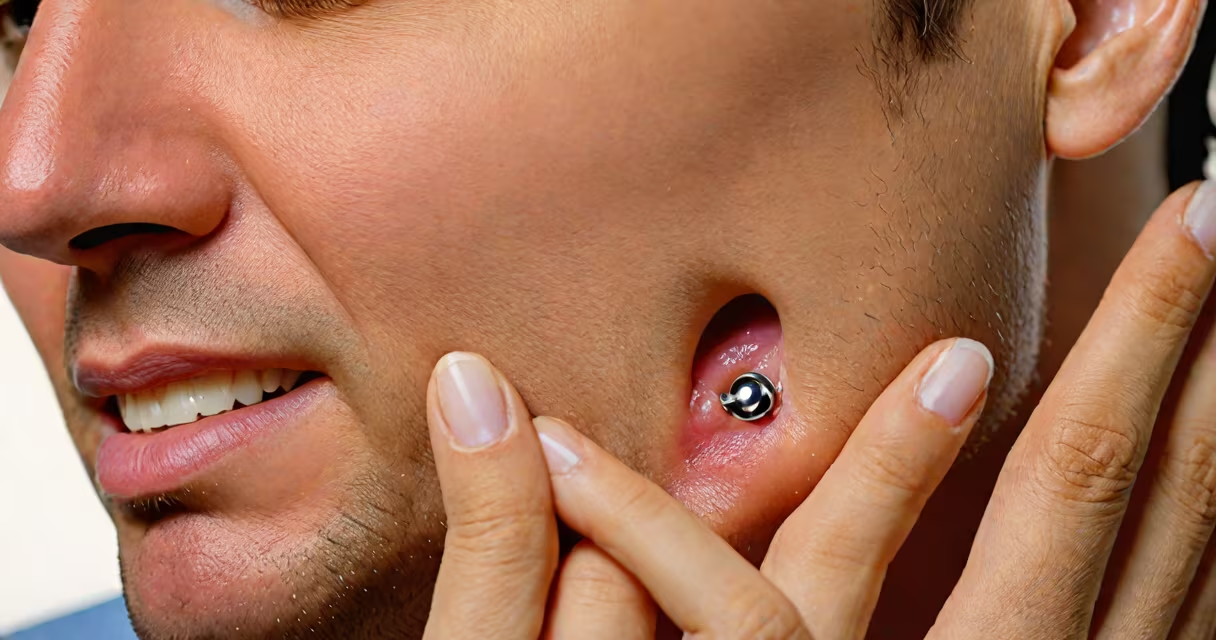
Ear infection and tooth pain occur together when inflammation or infection spreads through shared nerves or tissues between the jaw and middle ear. This connection explains why a toothache can feel like an earache, and why an ear infection may trigger jaw discomfort.
The trigeminal nerve supplies sensation to the face, including teeth and parts of the ear canal. When an infected molar presses on this nerve, pain signals travel along the same pathway as those from an inflamed eardrum. The brain interprets both as coming from the same area-often the side of the head or jaw. This phenomenon, called referred pain, makes it hard to distinguish whether the source is dental or otic.
A 2021 study published in Frontiers in Neurology confirmed that 36% of patients reporting ear pain had no signs of middle ear infection, yet showed dental pathology upon imaging. The researchers concluded that untreated dental issues were a frequent misdiagnosed cause of ear symptoms. Similarly, the American Academy of Otolaryngology-Head and Neck Surgery notes that up to 15% of chronic ear infections in adults originate from adjacent dental conditions.
How ear infection and tooth pain are connected
Both the ear and the lower jaw share blood vessels and nerves that run through the temporomandibular joint (TMJ) and the base of the skull. An infection in one area can irritate nearby structures. For example, a deep decayed molar near the mandibular nerve can cause swelling that compresses the trigeminal nerve root, which also serves the ear's inner lining.
When bacteria invade a tooth's pulp chamber, they release toxins that trigger local inflammation. Swelling increases pressure inside the jawbone. If this pressure extends to the TMJ or nearby sinuses, it can mimic ear pain. The same process happens in the ear: fluid buildup behind the eardrum raises pressure, stretching nerves that also serve the jaw.
One patient reported persistent left-sided ear pain for six weeks. Standard ENT evaluation found no ear infection. A dental X-ray revealed a large abscess beneath a wisdom tooth. After root canal treatment and drainage, the ear pain resolved within 72 hours. This case illustrates how dental infections masquerade as ear problems.
Types of infections causing ear and tooth pain
Not all cases involve the same pathogen or tissue. The following table outlines common causes and their distinguishing features:
| Infection Type | Source | Pain Pattern | Diagnostic Clue |
|---|---|---|---|
| Dental abscess | Tooth root or gum | Throbbing, worsens when lying down | Swollen gums, tooth mobility, fever |
| Otitis media | Middle ear space | Bursting sensation, hearing loss | Fluid behind eardrum, ear tugging |
| Referred pain from TMJ disorder | Jaw joint dysfunction | Clicking, jaw stiffness, unilateral pain | History of clenching, limited mouth opening |
True otitis media typically presents with fever, hearing muffling, and ear pressure. Dental abscesses often show visible swelling or pus around a tooth. Referred pain from TMJ disorders tends to fluctuate with chewing or jaw movement.
Common mistakes in diagnosing ear infection and tooth pain
Many patients assume ear pain means an ear infection. Doctors sometimes follow suit. But the presence of a toothache, especially on the same side as the ear pain, should prompt a dental exam. Misdiagnosis delays treatment and risks complications like sepsis or facial nerve damage.
One study from the Journal of Oral and Maxillofacial Surgery found that 42% of patients initially diagnosed with recurrent otitis media had undiagnosed dental infections. After dental intervention, 85% of those patients saw complete resolution of ear symptoms. The authors emphasized that routine ear exams should include oral screening in patients with unexplained ear pain.
I once treated a 45-year-old man who'd seen three doctors over four months for "chronic ear infections." He described a dull ache behind his left ear that worsened at night. All tests-CT scans, audiograms-showed normal results. A dental referral revealed a necrotic molar with a periapical abscess. After extraction, his ear pain vanished. This case remains a reminder: pain location doesn't always match the source.
When to see a doctor or dentist
Seek immediate care if you have:
- Fever above 101°F (38.3°C)
- Pus draining from the mouth or ear
- Difficulty opening your mouth or swallowing
- Facial swelling or asymmetry
- Persistent pain lasting more than 48 hours despite over-the-counter pain relief
Untreated dental infections can spread to the neck, brain, or bloodstream. The Mayo Clinic warns that dental-related sepsis accounts for nearly 10% of hospital admissions for severe infections. Early diagnosis prevents life-threatening outcomes.
If you suspect ear infection and tooth pain are linked, consult both a dentist and an ENT specialist. A combined evaluation ensures no underlying issue is missed. Imaging such as a cone-beam CT scan can reveal hidden bone erosion or abscesses invisible on standard X-rays.
Understanding the link between ear infection and tooth pain prevents unnecessary treatments and speeds recovery. Treatments differ based on the origin: antibiotics for bacterial ear infections, root canal therapy for dental abscesses, and anti-inflammatory medication for TMJ-related pain.
Recognizing shared symptoms early improves outcomes. Don't ignore side-of-head pain that doesn't respond to typical remedies. The source may lie deeper than the ear-or the tooth.
When pain spans multiple systems, accurate diagnosis begins with asking the right questions-not assuming the site of pain is the source.