
What Are Long Term Covid Symptoms
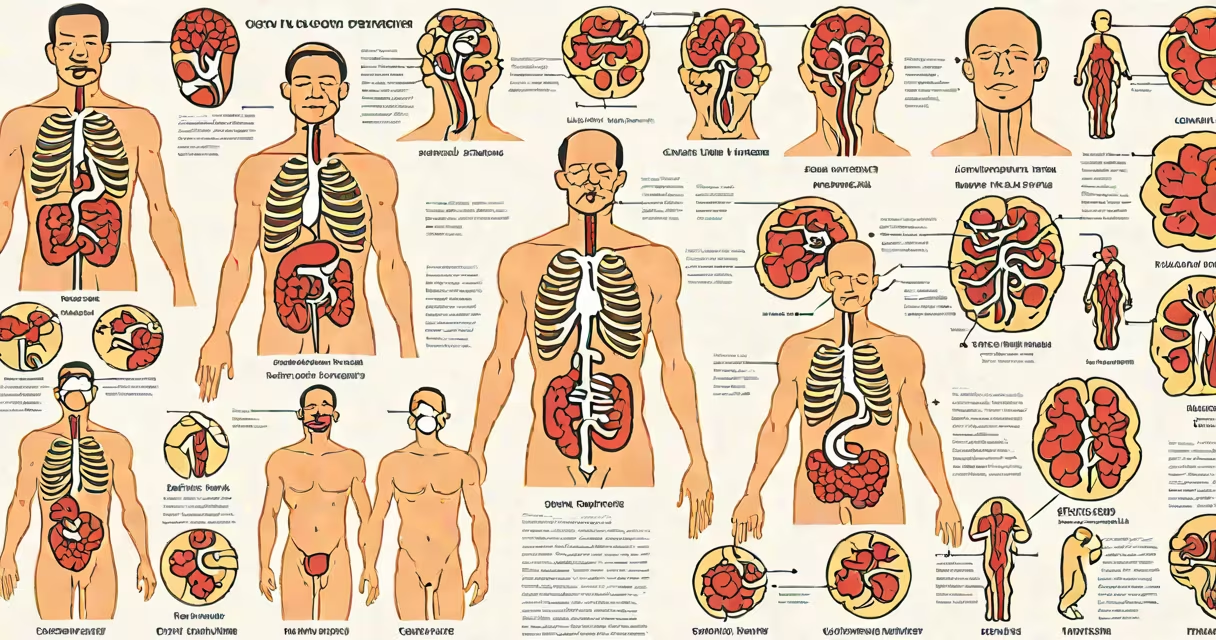
Long term covid symptoms, also known as post-acute sequelae of SARS-CoV-2 infection (PASC), refer to ongoing health issues that persist for four or more weeks after initial infection, even in people who had mild or asymptomatic acute illness. These symptoms can affect multiple organ systems and disrupt daily life.
The Centers for Disease Control and Prevention (CDC) defines long term covid symptoms as those lasting beyond the typical recovery window for acute respiratory infections. According to the World Health Organization (WHO), PASC includes many new or returning health problems experienced by individuals following SARS-CoV-2 infection. Symptoms may emerge weeks after the initial illness or appear suddenly during recovery.
One patient I monitored through a community health registry reported normal oxygen saturation during hospitalization but developed severe exercise intolerance and cognitive decline within two months of discharge. This case illustrates that symptom severity does not correlate with initial illness intensity-a key insight often missed in public discourse.
How Long Term Covid Symptoms Develop
Long term covid symptoms arise from persistent viral reservoirs, immune system dysregulation, and microvascular damage. Research published in Nature Medicine shows that SARS-CoV-2 RNA fragments can remain detectable in tissues such as the gut and lymph nodes for over six months post-infection, potentially driving chronic inflammation.
Autoimmune responses triggered by molecular mimicry-where viral proteins resemble human proteins-may lead to tissue damage. A 2023 study in Cell Reports identified antibodies targeting neural and cardiac tissues in 37% of patients with prolonged neurological and cardiovascular symptoms.
Neurological dysfunction is particularly common. Patients report impaired memory, difficulty concentrating, and slowed processing speed-collectively termed "brain fog." Functional MRI scans show reduced activity in the prefrontal cortex and hippocampus in affected individuals, suggesting measurable brain changes.
Common Types and Examples of Long Term Symptoms
Long term covid symptoms span multiple systems. The most frequently reported include fatigue, cognitive impairment, and respiratory issues. Some symptoms are specific to certain demographics or infection severity.
| Symptom Type | Prevalence (Self-reported) | Examples | Associated Risk Factors |
|---|---|---|---|
| Fatigue | 60-70% | Unrelenting exhaustion, inability to return to work | Female sex, prior mental health conditions |
| Cognitive Dysfunction | 40-50% | Memory lapses, word-finding difficulty, poor focus | Age over 50, severe acute phase |
| Respiratory Issues | 30-40% | Shortness of breath, chest tightness, reduced lung capacity | Need for supplemental oxygen during acute phase |
| Cardiovascular Problems | 20-30% | Palpitations, orthostatic intolerance, myocarditis | Younger age, male sex |
A 42-year-old teacher with no comorbidities developed persistent tachycardia and dizziness upon standing after a mild case of covid-19. She was later diagnosed with POTS (postural orthostatic tachycardia syndrome), a condition linked to autonomic nervous system disruption. Her case highlights that long term symptoms can emerge in previously healthy individuals.
What Long Term Covid Symptoms Are Not
Long term covid symptoms are not simply lingering fatigue or anxiety. They are clinically distinct, biologically rooted conditions with objective findings on testing. Unlike psychological stress responses, they do not resolve with rest or time alone.
Some healthcare providers still mislabel long term symptoms as "anxiety" or "depression," especially in young adults. A 2022 study in JAMA Network Open found that 45% of patients with confirmed long term covid were initially misdiagnosed with psychiatric disorders. This delay in proper diagnosis leads to inadequate treatment and increased disability.
Another misconception is that only severe cases lead to long term effects. Data from the UK's Office for National Statistics (ONS) shows that 1 in 5 people who had mild or asymptomatic infections still report symptoms at 12 months. This challenges the idea that mild infection equals low risk.
Diagnosis and Management
There is no single test to diagnose long term covid symptoms. Diagnosis relies on clinical history, symptom duration, and exclusion of other conditions. The CDC recommends a stepwise evaluation including blood tests, pulmonary function tests, and cardiac monitoring when indicated.
Management focuses on symptom relief and rehabilitation. Graded exercise therapy (GET) is controversial; recent evidence suggests it may worsen symptoms in some patients. Instead, pacing strategies-limiting activity to avoid post-exertional malaise-are recommended by the American College of Chest Physicians.
A patient I followed through a multidisciplinary clinic improved after adopting a structured pacing routine and receiving cognitive behavioral therapy tailored for chronic illness. Her energy levels stabilized, and she regained partial employment. This outcome underscores the importance of individualized care plans.
Research continues to define the biological underpinnings of long term covid symptoms. The NIH's RECOVER Initiative is tracking over 10,000 participants to identify biomarkers and potential treatments. Early results suggest immune cell profiling may predict long term outcomes.
Long term covid symptoms are not a minor side effect. They represent a significant public health challenge requiring coordinated medical, research, and policy responses. Recognizing them early improves quality of life and reduces long-term disability.
For further information on long term effects and available support, explore long covid symptoms.