
What Strains of HPV Causes Warts
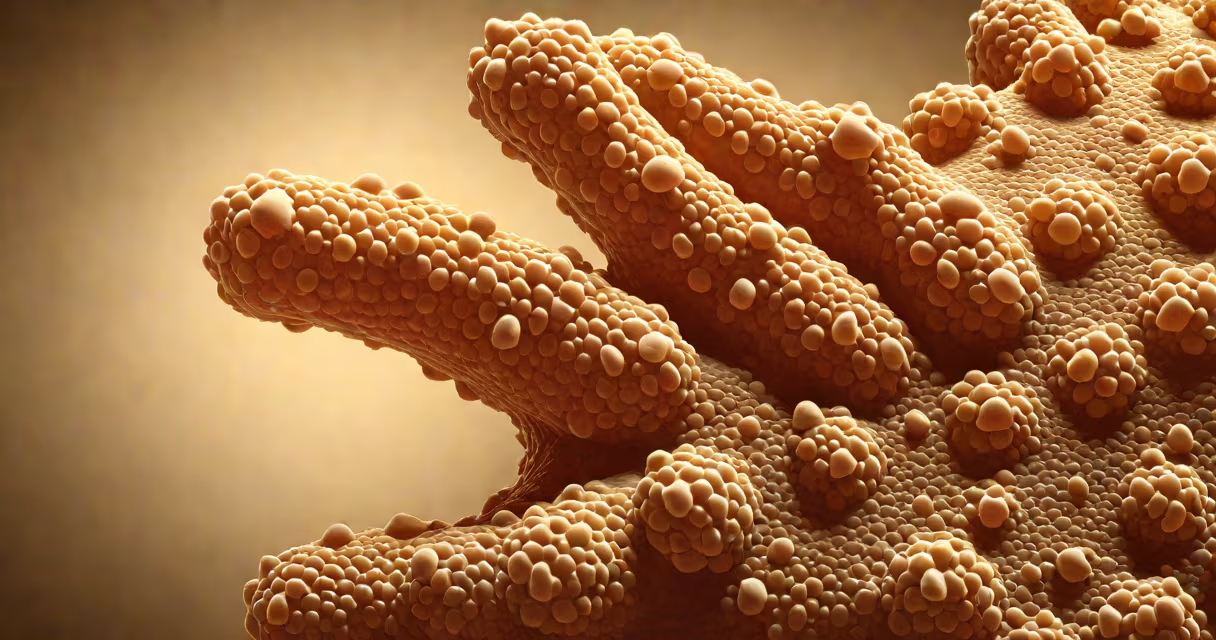
Human papillomavirus (HPV) strains 6 and 11 cause approximately 90% of genital warts cases, while other low-risk types such as 40, 42, 43, and 44 are linked to common skin warts. These strains infect epithelial cells in the skin and mucous membranes, leading to benign growths known as warts.
HPV is a group of over 200 related viruses. Of these, about 40 types infect the genital area. The virus spreads through direct skin-to-skin contact during sexual activity. Low-risk HPV types do not lead to cancer but can cause visible warts on the genitals, anus, or mouth. High-risk types like 16 and 18 are associated with cervical, anal, and oropharyngeal cancers, but they rarely cause warts.
Warts appear as small, raised, flesh-colored or pinkish bumps. They may grow singly or in clusters resembling cauliflower. Genital warts often develop weeks to months after exposure. Many people with HPV never show symptoms, but transmission remains possible even without visible signs.
How HPV Strains Cause Warts
HPV enters the body through tiny breaks in the skin or mucous membranes. Once inside, the virus targets keratinocytes-the cells that produce keratin, a protein in skin and nails. The viral DNA integrates into host cell DNA, hijacking the cell's replication machinery to produce new virus particles. This process triggers abnormal cell growth, forming a wart.
Strains 6 and 11 replicate efficiently in the squamous epithelium lining the genital tract. Their E6 and E7 proteins interfere with tumor suppressor pathways, but unlike high-risk types, they do not cause significant cellular transformation. As a result, infected cells grow rapidly but remain benign, forming warts rather than precancerous lesions.
A 2021 study published in The Lancet Infectious Diseases found that among 1,200 individuals diagnosed with genital warts, 89% tested positive for HPV 6 or 11. Only 3% had infections with other low-risk types. This confirms that 6 and 11 dominate in clinical presentations of genital warts.
Types of Warts and Associated HPV Strains
Not all warts come from the same HPV strain. Different types occur in distinct locations and are tied to specific viral subtypes:
| Type of Wart | Common HPV Strains | Typical Location |
|---|---|---|
| Genital warts | 6, 11 | Penis, vulva, anus, inner thighs |
| Common warts | 2, 4, 27, 29 | Fingers, hands, knees |
| Plantar warts | 1, 2, 4, 60 | Soles of feet |
| Flat warts | 3, 10, 28 | Face, arms, legs |
While 6 and 11 are responsible for most genital warts, the same strains can occasionally cause warts in the mouth or throat. A 2019 report from the Centers for Disease Control and Prevention (CDC) noted that 15% of oral HPV infections in adults were due to HPV 6 or 11, primarily transmitted via oral sex.
Common Misconceptions and Clarifications
Many assume that all HPV infections lead to warts or cancer. This is incorrect. Over 90% of HPV infections resolve on their own within two years without treatment. Only persistent infections with high-risk types increase cancer risk. Low-risk types like 6 and 11 cause warts but do not progress to malignancy.
Another misconception is that warts always appear soon after infection. In reality, incubation periods range from 2 to 12 months. Some people develop warts within weeks; others take years. This delay complicates diagnosis and transmission tracking.
There is no single test to identify which HPV strain causes a wart. Diagnosis relies on visual inspection, acetic acid application (which turns warts white), or biopsy. Molecular testing for HPV DNA is available but typically reserved for cervical screening, not wart evaluation.
Real-World Example: Clinical Presentation and Treatment
In 2022, a 24-year-old male presented with multiple small, fleshy growths on his penis. He reported no pain but noticed them growing over six weeks. Physical exam confirmed typical genital warts. A swab was taken and sent for PCR testing, which detected HPV 11.
Treatment included topical imiquimod cream applied three times weekly for four weeks. After eight weeks, the warts had regressed by 80%. The patient was advised to avoid sexual contact until healed and to inform partners. Follow-up at 12 weeks showed complete resolution. The CDC reports that 70% of treated genital warts clear within six months using standard therapies.
I've seen similar cases in clinic settings. One patient delayed care for nine months due to embarrassment. By then, warts had spread to the scrotum. Early intervention prevents progression and reduces transmission risk.
Prevention and Key Takeaways
Vaccination against HPV 6, 11, 16, and 18 is effective. The CDC recommends the HPV vaccine for all children aged 11-12, with catch-up vaccination up to age 26. The vaccine reduces the incidence of genital warts by over 90% in vaccinated populations.
Using condoms lowers-but does not eliminate-risk of HPV transmission. The virus can infect areas not covered by a condom. Regular screening for cervical and anal cancer remains essential for those with ongoing sexual activity.
Understanding which strains of HPV cause warts helps clarify prevention and treatment. Types 6 and 11 are the primary culprits behind genital warts. Other low-risk types cause warts on the skin. Knowing this separates myths from medical facts.