
Why Lower Back Hurts
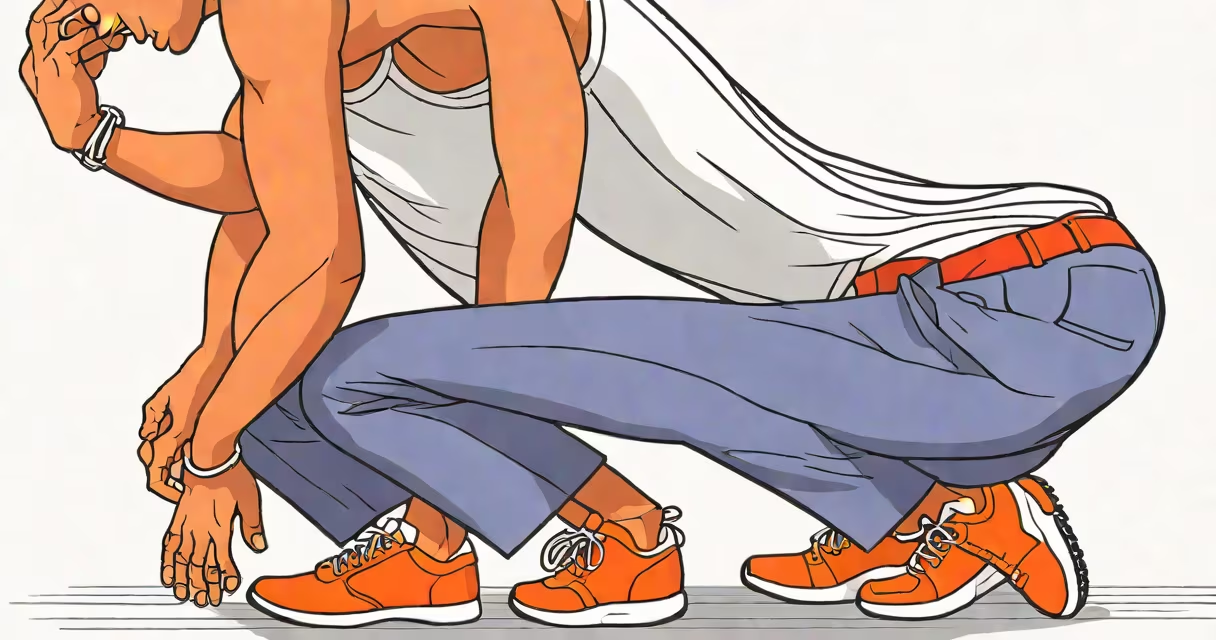
Lower back pain arises when muscles, ligaments, discs, or nerves in the lumbar spine experience strain, injury, or degeneration. It's one of the most common medical complaints, affecting nearly 80% of adults during their lifetime, according to the American Academy of Orthopaedic Surgeons.
The lower back-specifically the five lumbar vertebrae (L1-L5)-supports most of the body's weight and enables bending, twisting, and lifting. When stress exceeds tissue tolerance, pain signals fire through the spinal nerves. This can happen suddenly from a fall or heavy lift, or develop gradually due to poor posture, prolonged sitting, or aging.
Common triggers include muscle strain from improper lifting, herniated discs pressing on nerves, spinal stenosis narrowing the nerve passageways, and facet joint arthritis. Less frequently, pain stems from systemic conditions like kidney stones or infections, though these typically come with fever or urinary symptoms.
How Lower Back Pain Develops
Pain begins when mechanical stress disrupts soft tissues or compresses neural structures. For example, lifting a 50-pound box with a rounded back increases pressure on the L4-L5 disc by up to 4,000 pounds-over ten times the load compared to standing upright.
Nerve irritation often causes radiating pain. A herniated disc at L5-S1 can compress the sciatic nerve, leading to sharp, shooting pain down the leg-a condition known as sciatica. The pain may worsen with sitting, coughing, or sneezing due to increased intra-abdominal pressure.
Chronic pain develops when acute episodes go untreated. The nervous system becomes hypersensitive, amplifying pain signals even after tissue healing. This central sensitization can persist long after the original injury resolves, making recovery more complex.
Types and Common Triggers
Lower back pain falls into three categories based on duration:
| Type | Duration | Most Likely Causes | Recovery Time |
|---|---|---|---|
| Acute | Less than 6 weeks | Muscle strain, minor sprain, sudden movement | Typically 2-4 weeks |
| Subacute | 6-12 weeks | Failed healing, ongoing inflammation | Varies; often requires physical therapy |
| Chronic | Over 12 weeks | Disc degeneration, spinal stenosis, central sensitization | May require multidisciplinary care |
Non-specific low back pain-where no clear structural cause is found-accounts for 85% of cases. The National Institute of Neurological Disorders and Stroke notes that imaging often shows abnormalities in people with no pain, meaning findings don't always correlate with symptoms.
One overlooked factor is prolonged sitting. Research from the University of Utah found that sitting for more than 3 hours daily increases disc pressure by 40% compared to standing. This contributes to early disc degeneration and altered spinal alignment.
When It's Not Just "Strain"
Lower back pain isn't always due to physical trauma. Conditions like ankylosing spondylitis-an autoimmune disease causing spinal fusion-can start with subtle back stiffness in young adults. Early signs include morning stiffness lasting over 30 minutes and improvement with activity.
Red flags demand immediate evaluation. These include unexplained weight loss, numbness in the saddle area (perineum), bowel or bladder dysfunction, or progressive weakness in the legs. Such symptoms suggest cauda equina syndrome, a rare but serious condition requiring surgical intervention within 24-48 hours to prevent permanent damage.
I once treated a 42-year-old office worker whose persistent lower back pain worsened over six months. MRI revealed a small herniation at L4-L5, but the real issue was weak gluteal muscles and poor core control. After eight weeks of targeted exercises and ergonomic adjustments, his pain resolved completely. The lesson: pain location doesn't always match the source.
What to Do When Lower Back Hurts
For acute pain lasting under six weeks, rest is not recommended. The American College of Physicians advises staying active-walking, stretching, and returning to normal activities within days. Prolonged bed rest delays recovery and increases risk of deconditioning.
Effective strategies include heat or cold therapy (20 minutes per session), over-the-counter NSAIDs like ibuprofen for inflammation, and gentle exercises such as pelvic tilts or bird-dog movements. Physical therapists often prescribe core stabilization programs, which improve neuromuscular control and reduce recurrence rates by up to 50%.
If pain persists beyond four weeks, consult a provider. Imaging is rarely needed initially unless red flags exist. Most cases resolve with conservative management. Surgery is reserved for severe neurological deficits or failure of nonoperative treatment after 6-12 months.
Prevention focuses on posture, ergonomics, and strength training. Keep your workstation at eye level, use a lumbar support cushion, and take a 5-minute stretch break every hour. A study published in Spine Journal showed that employees who followed these habits reported 30% less back pain over 12 months.