
Chemo and Cold
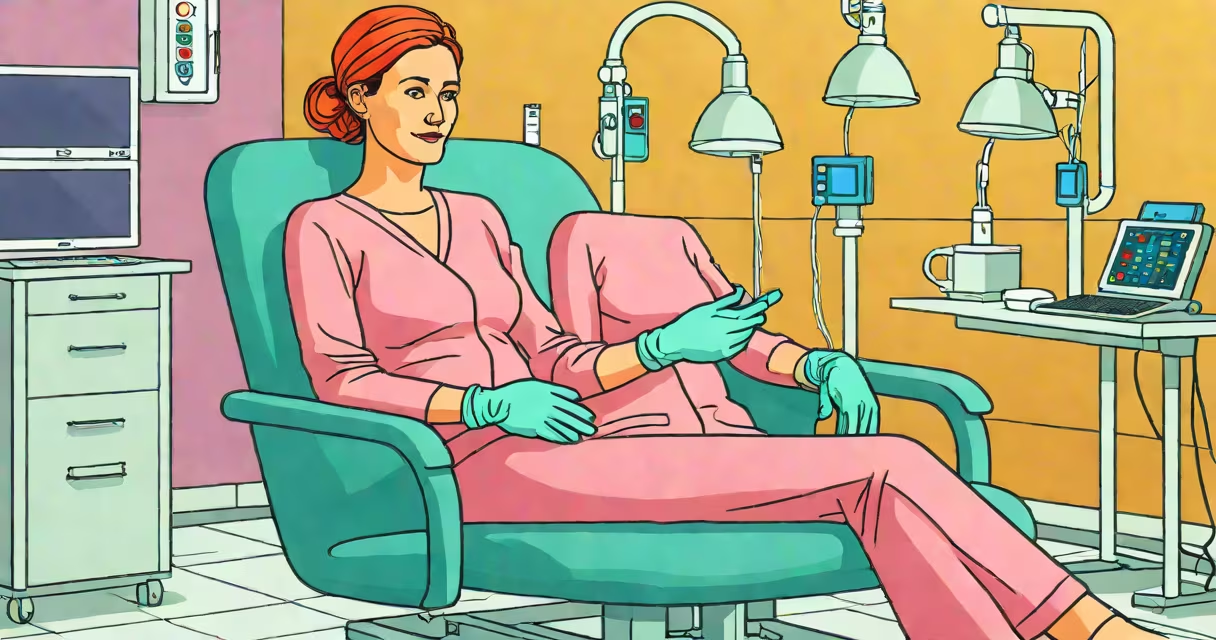
Chemo and cold describes the increased sensitivity to cold temperatures experienced by many people undergoing chemotherapy, often resulting in pain, numbness, or tingling in hands and feet. This reaction stems from chemotherapy drugs damaging peripheral nerves and reducing blood flow to extremities.
Chemotherapy drugs such as paclitaxel, oxaliplatin, and vinorelbine disrupt nerve function and constrict blood vessels. When exposed to cold-like air conditioning, ice water, or even cold food-patients may feel sharp pain or prolonged numbness. This condition is clinically known as cold-induced neuropathy or cold dysesthesia.
A 2021 study published in Cancer Nursing found that 68% of patients receiving oxaliplatin reported cold sensitivity, with 42% describing it as severe enough to interfere with daily activities. The sensation typically lasts minutes to hours after exposure and can persist for weeks after treatment ends.
How Chemo and Cold Affects the Body
Chemotherapy targets rapidly dividing cells, including cancer cells. But it also damages healthy cells in the nervous system, especially those responsible for transmitting temperature signals. Peripheral nerves in fingers and toes are particularly vulnerable due to their distance from the central circulation.
When cold triggers vasoconstriction-narrowing of blood vessels-the reduced blood flow starves nerve endings of oxygen and nutrients. This causes immediate pain or burning, followed by numbness. Some patients report that even touching a cold glass or walking on a cool floor triggers intense discomfort.
For example, a patient receiving paclitaxel described waking up to find her hands frozen in bed, unable to move them for over 30 minutes after the room's AC kicked on. She later learned this was a known side effect of the drug, documented in the National Cancer Institute's Drug Information Portal.
Types of Cold Sensitivity During Chemo
Not all cold-related reactions are the same. They fall into two categories based on timing and mechanism:
| Type | Onset | Duration | Common Drugs | Key Symptoms |
|---|---|---|---|---|
| Acute Cold Sensitivity | Within minutes of exposure | Minutes to hours | Oxaliplatin, paclitaxel | Pain, tingling, muscle cramps |
| Delayed Neuropathy | Days to weeks after infusion | Weeks to months | Vinorelbine, cisplatin | Numbness, loss of dexterity, chronic discomfort |
Acute cold sensitivity occurs during or shortly after treatment. Delayed neuropathy develops gradually and may continue long after therapy ends. The latter is harder to reverse and can affect fine motor skills, making tasks like buttoning clothes or holding utensils difficult.
Common Misconceptions and Confusions
Many assume "chemo and cold" simply means feeling chilly. That's incorrect. The issue isn't low body temperature-it's abnormal nerve signaling triggered by cold stimuli. Patients aren't just "sensitive to cold" in the usual sense; they're experiencing neurological distress.
Another misconception is that cold sensitivity only happens during treatment. In reality, it can emerge weeks later. A 2020 review in Journal of Clinical Oncology noted that 30% of patients reported cold sensitivity after completing chemotherapy, with symptoms lasting up to six months.
Some patients mistake this for Raynaud's phenomenon-a separate autoimmune condition. While both involve vasospasm and numbness, Raynaud's is chronic and unrelated to medication. Chemo-induced cold sensitivity resolves over time, unlike Raynaud's, which persists unless treated.
Strategies to Manage Chemo and Cold
Prevention is key. Wearing insulated gloves during treatment and avoiding cold environments can reduce episodes. A clinical trial at MD Anderson Cancer Center showed that patients using thermal gloves during oxaliplatin infusions reported 57% less cold pain compared to controls.
For ongoing symptoms, doctors may prescribe gabapentin or amitriptyline-medications that stabilize nerve activity. However, these are not always effective. A 2022 study in Supportive Care in Cancer found that only 44% of patients responded well to standard neuropathic pain drugs.
When to Seek Help
If cold sensitivity worsens or doesn't improve within a few weeks after treatment, consult your oncologist. Persistent symptoms may indicate neuropathy requiring evaluation. Early intervention can prevent long-term nerve damage.
Patients should also contact their care team if cold exposure leads to skin changes-such as blanching, swelling, or ulcers. These signs suggest vascular compromise and require urgent attention.
For those still struggling, resources like the Living with Chemotherapy Side Effects guide from the American Society of Clinical Oncology offer practical tips on clothing, home modifications, and coping strategies. One section details how to adjust thermostat settings and pack insulated bags for groceries.
Chemo and cold is not a minor inconvenience. It's a physiological response rooted in nerve damage and altered blood flow. Recognizing it early and acting proactively improves quality of life during and after treatment.
Managing chemo and cold involves understanding the biology behind it, identifying personal triggers, and using evidence-based tools. Patients who plan ahead-using gloves, adjusting environment, and tracking symptoms-report better outcomes than those who wait until pain becomes unmanageable.