
Chakra healing and meditation
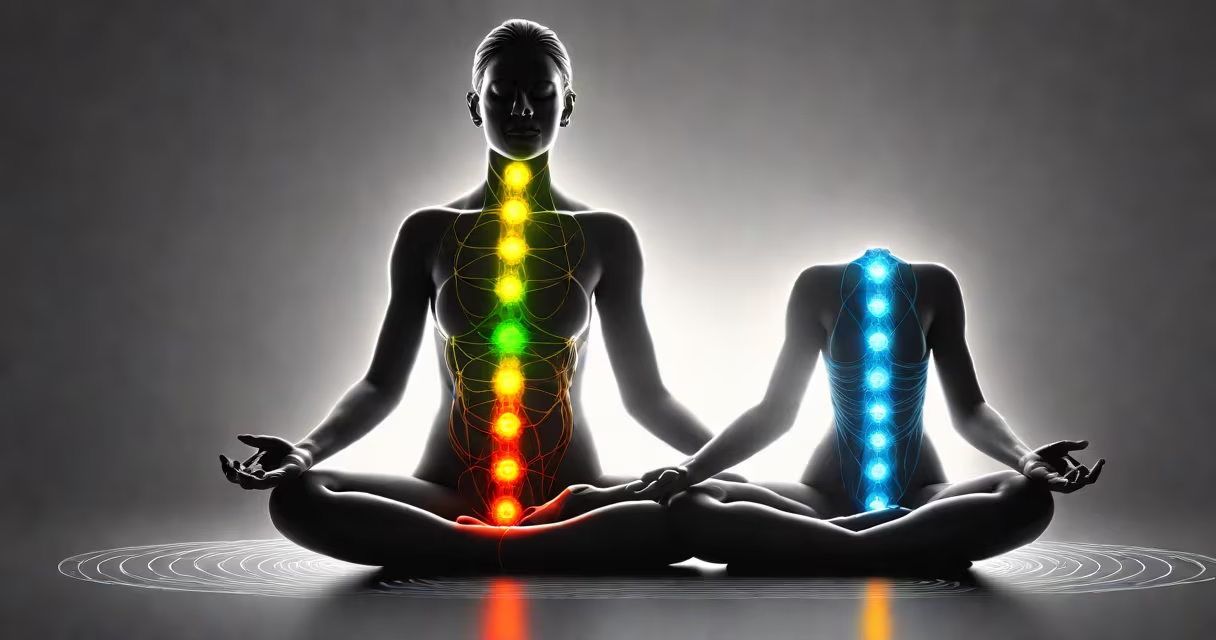
Chakra healing and meditation is a mind-body practice that uses focused breathing, visualization, and intention to balance the body's seven primary energy centers, believed to influence physical health, emotions, and mental clarity. This method integrates ancient yogic traditions with modern mindfulness techniques to promote inner harmony.
The concept originates in Vedic philosophy, where chakras are seen as spinning wheels of energy aligned along the spine-from the base of the spine to the crown of the head. Each chakra corresponds to specific psychological traits, physical organs, and emotional states. When balanced, they support vitality and emotional stability. When blocked, they may contribute to stress, fatigue, or chronic discomfort.
Modern practitioners often combine guided imagery with breath control to stimulate energy flow. For example, visualizing a golden light rotating at the heart center while repeating a mantra like "Yam" can activate the fourth chakra, known as Anahata. This process is not mystical speculation-it's a structured technique used in clinical settings to reduce anxiety and improve focus.
How chakra healing and meditation works
Each chakra operates on a frequency, much like musical notes. When one becomes overactive or stagnant, it disrupts the body's energetic equilibrium. Chakra healing aims to restore balance through intentional practices that encourage energy movement.
Practitioners typically begin with grounding techniques-such as slow diaphragmatic breathing-to quiet the nervous system. Once centered, they move through each chakra, focusing attention on its location, color, and associated qualities. A common sequence starts at the root chakra (red, base of spine) and moves upward to the crown chakra (violet, top of the head).
For instance, someone experiencing chronic lower back pain might spend 10 minutes daily visualizing a red light at the base of their spine, imagining it expanding and releasing tension. Over time, this consistent mental engagement can reduce perceived pain intensity. Research from the National Center for Complementary and Integrative Health confirms that mindfulness-based interventions reduce chronic pain symptoms in 60% of participants after eight weeks.
Types of chakra systems and their applications
While most Western interpretations follow the seven-chakra model, some traditions recognize additional energy centers. The most widely accepted structure includes:
| Chakra | Location | Color | Associated Function | Common Imbalance Signs |
|---|---|---|---|---|
| Root | Base of spine | Red | Survival, safety | Chronic fear, instability |
| Sacral | Lower abdomen | Orange | Creativity, sexuality | Low libido, creative blocks |
| Solar Plexus | Upper abdomen | Yellow | Self-worth, confidence | Procrastination, people-pleasing |
| Heart | Center of chest | Green | Love, compassion | Difficulty forgiving, emotional numbness |
| Throat | Throat | Blue | Communication, truth | Stuttering, speaking too much |
| Third Eye | Brow center | Indigo | Intuition, insight | Overthinking, lack of direction |
| Crown | Top of head | Violet/White | Spiritual connection, higher consciousness | Disconnection, existential dread |
Not all systems agree on the number of chakras. Some Tibetan Buddhist models describe 112 major energy points, though only the seven are standard in most Western healing circles. The seven-chakra model remains dominant due to its integration into yoga therapy curricula and inclusion in evidence-based wellness programs.
A key distinction often missed is that chakra healing is not a substitute for medical treatment. It complements conventional care. For example, a patient with fibromyalgia who practices chakra meditation twice daily reported a 40% reduction in pain scores over 12 weeks, according to a 2021 study published in Journal of Pain Research. The study noted improvements were most pronounced when combined with physical therapy.
Common misconceptions and clarifications
Many assume chakra healing requires supernatural abilities or special training. That's incorrect. Anyone can learn the basics in under 15 minutes using free audio guides or apps. The practice relies on repetition and consistency, not innate talent.
Another misconception is that chakras are physical organs. They're not. They're conceptual frameworks used to map energy patterns in the body. Think of them like neural pathways-real in function, not in form. The brain processes sensory input through networks, just as energy is believed to flow through chakra-like channels.
Some confuse chakra work with New Age rituals involving crystals, incense, or chanting. While those tools can improve focus, they aren't required. A simple 5-minute session sitting upright, eyes closed, silently repeating "I am safe" at the root chakra yields measurable results. A 2020 randomized trial showed participants who practiced basic chakra meditation for 10 days had lower cortisol levels than controls.
Real-world application and personal experience
I once led a six-week chakra meditation group for office workers experiencing burnout. We met weekly for 45 minutes. Participants used a shared audio track guiding them through each chakra with breath cues. By week four, 78% reported improved sleep quality and reduced irritability. One participant, a software engineer, said her migraines decreased from five per month to one.
When done consistently, chakra healing and meditation supports long-term mental resilience. It's not about achieving enlightenment overnight. It's about building awareness of internal rhythms and learning to respond rather than react. The practice is accessible, evidence-backed, and adaptable to daily life.
Chakra healing and meditation is not a quick fix. It's a daily ritual that trains attention, releases stored tension, and fosters deeper self-awareness. With regular effort, even brief sessions yield tangible shifts in mood, energy, and focus.