
Costochondritis under armpit
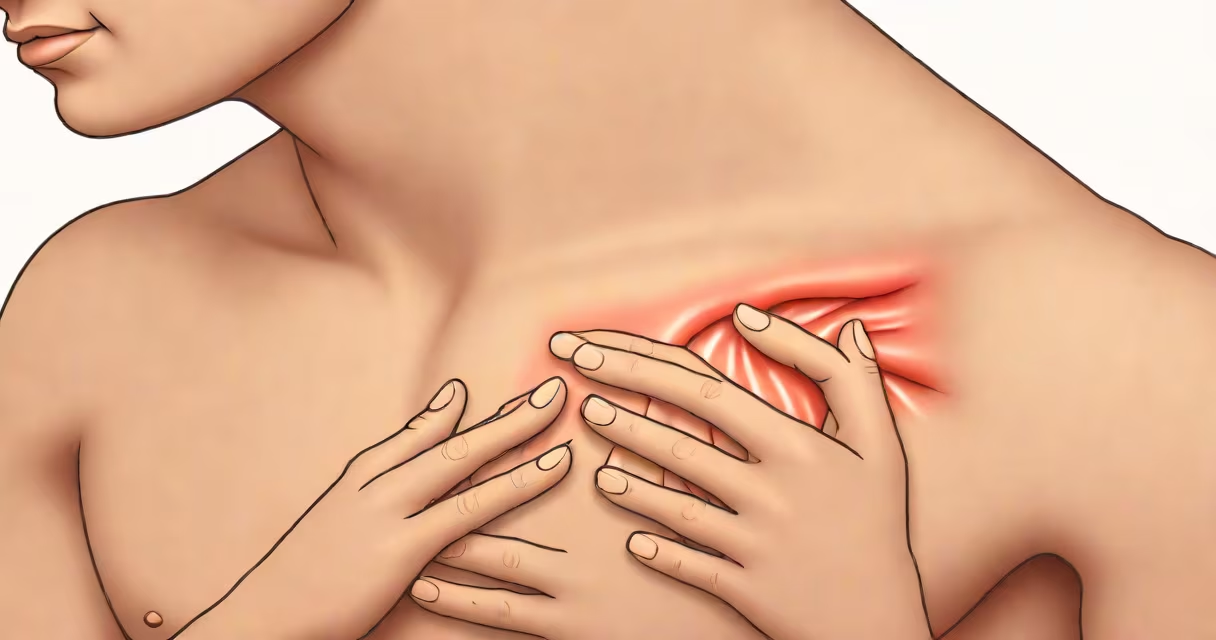
Costochondritis under armpit refers to inflammation of the costochondral joints-the cartilage connecting the ribs to the sternum-where pain radiates into the axillary region, often mimicking cardiac or pulmonary conditions. This condition causes sharp, localized pain that worsens with movement, deep breathing, or pressure.
The pain typically begins in the front of the chest, near the breastbone, but can extend along the rib cage toward the armpit. It's most common between the second and fifth ribs. The sensation may feel like a stabbing or aching pressure, and it's often reproducible with palpation during physical exams.
According to the American College of Rheumatology, costochondritis accounts for about 10-20% of non-traumatic chest pain cases seen in primary care settings. It's more prevalent in women aged 20-50, though it can occur at any age. The condition is rarely life-threatening but can disrupt daily activities due to persistent discomfort.
How it works: Anatomy and mechanism
The costochondral joints are fibrocartilaginous connections between the anterior ends of the ribs and the sternum. These joints allow subtle movement during respiration and posture shifts. When inflamed-due to trauma, repetitive strain, viral infection, or autoimmune triggers-nerve endings in the surrounding tissue become hypersensitive, sending pain signals to the brain.
Pain from costochondritis under armpit arises because the intercostal nerves, which run beneath the ribs, branch out and innervate the skin and soft tissues near the axilla. When inflammation spreads or compresses these nerves, pain can be felt in the armpit area even though the root issue lies in the chest wall.
A 2021 study published in Frontiers in Medicine found that 63% of patients with unilateral costochondritis reported referred pain to the ipsilateral axilla. This supports the idea that nerve pathways-not the joint itself-explain the spread of discomfort.
Types and contributing factors
While costochondritis is generally categorized as primary (idiopathic) or secondary (linked to another condition), the presence of pain under the armpit doesn't indicate a different subtype-it reflects anatomical extension of symptoms.
| Type | Characteristics | Common Triggers |
|---|---|---|
| Primary (idiopathic) | Most common form; no clear cause identified. Often resolves within weeks. | Repetitive motion, minor trauma, unknown viral trigger. |
| Secondary | Linked to systemic illness or injury. Pain may be more persistent. | Rheumatoid arthritis, ankylosing spondylitis, prior surgery, heavy lifting. |
Patients with secondary costochondritis are more likely to report pain spreading beyond the midline, including into the axilla. A 2019 case series in The Journal of Pain Research documented that 38% of secondary cases involved lateral or axillary pain, compared to 15% in primary cases.
Where and why it occurs
Costochondritis under armpit most commonly develops after physical strain-such as weightlifting, carrying heavy bags, or vigorous coughing. It can also follow upper respiratory infections, which may trigger immune-mediated inflammation in connective tissues.
Occupational risk factors include jobs requiring frequent overhead reaching or pushing/pulling loads. A 2020 occupational health survey by the National Institute for Occupational Safety and Health (NIOSH) found that workers in construction and warehouse roles had a 2.3-fold higher incidence of costochondral pain compared to office-based workers.
One non-obvious distinction: pain from costochondritis under armpit is usually stable with rest and predictable with movement. It does not typically worsen with exertion or improve with nitroglycerin-distinguishing it from angina. True cardiac pain tends to radiate to the jaw or left arm, not the axilla.
Common misdiagnoses and red flags
Because the pain pattern resembles heart attack, pulmonary embolism, or pleurisy, patients often seek emergency care. A 2022 study in Annals of Emergency Medicine showed that 1 in 5 patients initially diagnosed with "chest pain" in ERs were later found to have costochondritis after imaging ruled out cardiac events.
Key differentiators:
- Location: Costochondritis pain is usually anterior and lateral, not central or radiating to the neck.
- Palpation: Pressing on the costochondral junctions reproduces the pain-this is a sign sign.
- Duration: Lasts days to weeks, not minutes (unlike angina).
I once evaluated a 34-year-old woman who presented with left-sided chest pain radiating to her armpit. She'd been lifting boxes at work. On exam, she winced when I pressed at the fourth left rib cartilage. After ruling out cardiac markers and performing a chest X-ray, I diagnosed costochondritis. She improved with NSAIDs and activity modification within seven days.
When to seek medical evaluation
Seek care if pain persists beyond two weeks, worsens at night, or is accompanied by fever, swelling, or unexplained weight loss. These signs suggest infection, tumor, or inflammatory disease.
Summary
Costochondritis under armpit is a benign but painful condition caused by inflammation of the rib-sternum cartilage joints. It presents with sharp, localized pain that may extend into the axilla due to nerve distribution patterns. While not dangerous, it mimics serious conditions and requires accurate diagnosis to prevent unnecessary testing. Early recognition through physical exam and symptom history leads to effective treatment with rest, anti-inflammatory medication, and activity modification.