
Why Tooth Pain Is So Painful
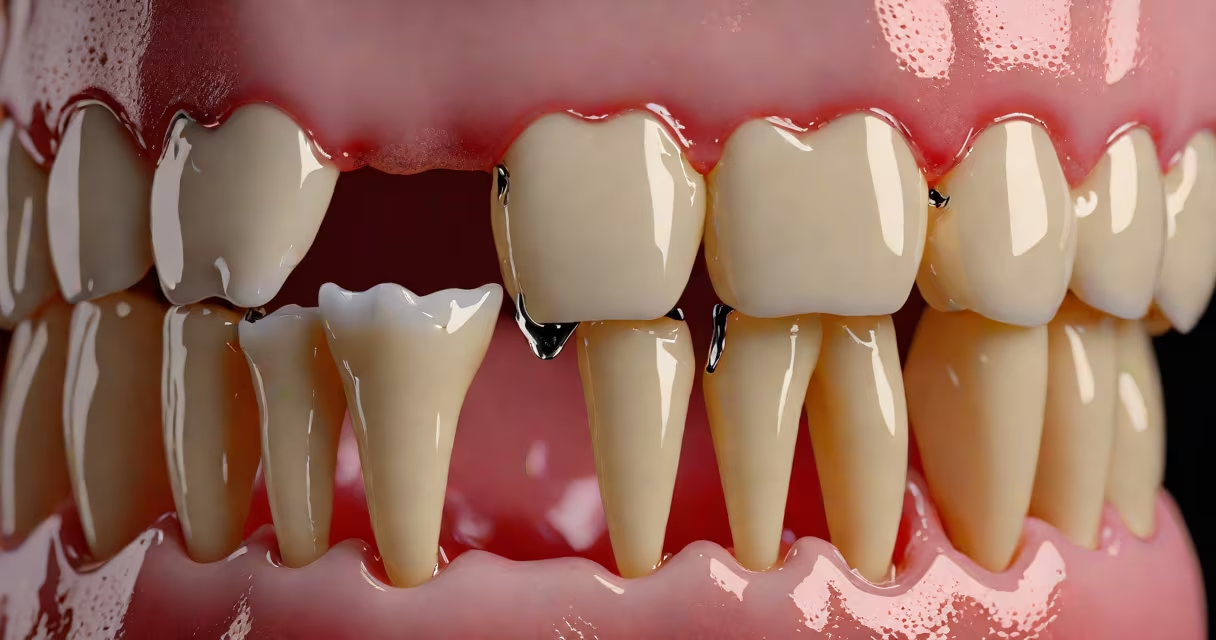
Tooth pain is intensely painful because the tooth's pulp contains dense nerve tissue that transmits sharp signals to the brain when irritated by decay, injury, or infection. This neural response amplifies discomfort beyond typical bodily sensations.
The sensation arises from the tooth's internal structure. Inside each tooth lies a soft, vascular-rich core called the pulp, which houses nerves and blood vessels. When enamel wears down or cracks form, stimuli such as hot, cold, sweet, or pressure reach the pulp directly. The nerves react instantly, sending high-frequency pain signals through the trigeminal nerve-the primary pathway for facial sensation-to the brain.
Unlike skin or muscle, the pulp lacks protective layers. Once exposed, even minor changes in temperature or pressure trigger intense firing of pain neurons. This explains why a single sip of ice water can cause sudden, piercing pain. The brain interprets this input as danger, activating protective responses like guarding the affected side of the face or avoiding chewing on that side.
How Tooth Pain Works: A Step-by-Step Breakdown
Pain begins when a stimulus reaches the nerve endings in the pulp. Common triggers include bacterial acid erosion from plaque, physical trauma from biting hard food, or temperature shifts during eating or drinking. These inputs activate nociceptors-specialized sensory receptors designed to detect potential harm.
Once activated, the nociceptors send electrical impulses along the trigeminal nerve to the thalamus and then to the somatosensory cortex in the brain. This process takes milliseconds. The brain registers the signal as pain and initiates reflexive behaviors: pulling away from the stimulus, clenching the jaw, or rubbing the cheek.
Chronic pain occurs when inflammation develops in the pulp due to untreated decay. Swelling increases pressure within the rigid tooth chamber, compressing nerves and reducing blood flow. This ischemia (lack of oxygen) causes additional pain and may lead to irreversible pulpitis-a condition requiring root canal treatment to relieve pressure and remove damaged tissue.
Types of Tooth Pain and Their Causes
Different kinds of tooth pain stem from distinct underlying issues. Identifying the pattern helps distinguish between temporary sensitivity and serious problems.
| Type | Trigger | Common Cause | Duration |
|---|---|---|---|
| Sharp, brief pain | Cold or sweet foods | Enamel erosion or small cavity | Seconds to minutes |
| Throbbing, constant ache | Pressure or warmth | Infection, abscess, or deep decay | Hours to days |
| Pulsating pain | At night or lying down | Blood pooling in inflamed pulp | Continuous, worsens with position |
For example, a patient reporting sharp pain when drinking cold soda likely has early-stage decay exposing dentin. The pain stops when the stimulus ends. In contrast, someone experiencing persistent throbbing pain that wakes them at night may have an infected pulp needing urgent care.
What It's Not: Common Misconceptions
Tooth pain isn't just "sensitivity" or "a bad tooth." While sensitivity describes mild reactions to temperature, true tooth pain involves neurological signaling that can disrupt sleep, concentration, and daily function. Many assume pain equals minor irritation-but it often indicates structural damage.
A common error is attributing tooth pain to sinus issues. The maxillary sinuses sit above upper teeth, and pressure changes can mimic dental pain. However, sinus-related discomfort usually affects multiple teeth symmetrically and improves with decongestants. True tooth pain remains localized and persists despite nasal treatments.
Another myth: "Pain means the tooth is dying." While severe pain can signal advanced decay, not all painful teeth are dead. A important tooth with healthy pulp can still hurt intensely. Conversely, a dead tooth may cause no pain until infection spreads. Diagnosis requires clinical evaluation-not symptom guessing.
Real-World Example: A Patient's Experience
I once treated a 34-year-old woman who reported waking up with severe pain in her lower left molar. She described the pain as "like a drill inside my jaw," lasting 20 minutes after sipping coffee. She had no history of cavities but admitted grinding her teeth at night.
An X-ray revealed a hairline fracture beneath the filling. The crack allowed bacteria to enter the pulp, causing inflammation. Her pain wasn't from decay-it was from mechanical stress on a compromised tooth. After a root canal and crown placement, the pain resolved completely.
This case illustrates how tooth pain isn't always about visible damage. Internal forces like bruxism (teeth grinding) can cause microtrauma that leads to significant pain. Early intervention prevents progression to abscess formation.
Key Insight: Why the Pain Feels Worse Than Expected
One overlooked fact is that the trigeminal nerve has a high density of pain fibers in the mouth. Research from the National Institute of Dental and Craniofacial Research shows that oral tissues have up to 10 times more nociceptors per square millimeter than skin. This makes dental pain disproportionately intense compared to other types of physical pain.
The brain processes tooth pain in regions associated with emotional distress, including the anterior cingulate cortex and insula. This means pain isn't just physical-it activates fear, anxiety, and attention networks. As a result, patients often describe tooth pain as "unbearable" or "constant," even when the actual stimulus is brief.
Understanding this neurobiological basis helps explain why over-the-counter painkillers often fail. Ibuprofen reduces inflammation but doesn't block nerve-specific pain pathways. For effective relief, treatments must address both the source (e.g., removing decay) and the nervous system's response (e.g., local anesthesia).
When to Seek Help
If tooth pain lasts longer than 48 hours, worsens at night, or spreads to the ear or neck, consult a dentist promptly. Delaying care increases the risk of spreading infection to surrounding bone or bloodstream. According to the American Dental Association, untreated dental infections can lead to systemic complications like sepsis.