
pride festival outfits
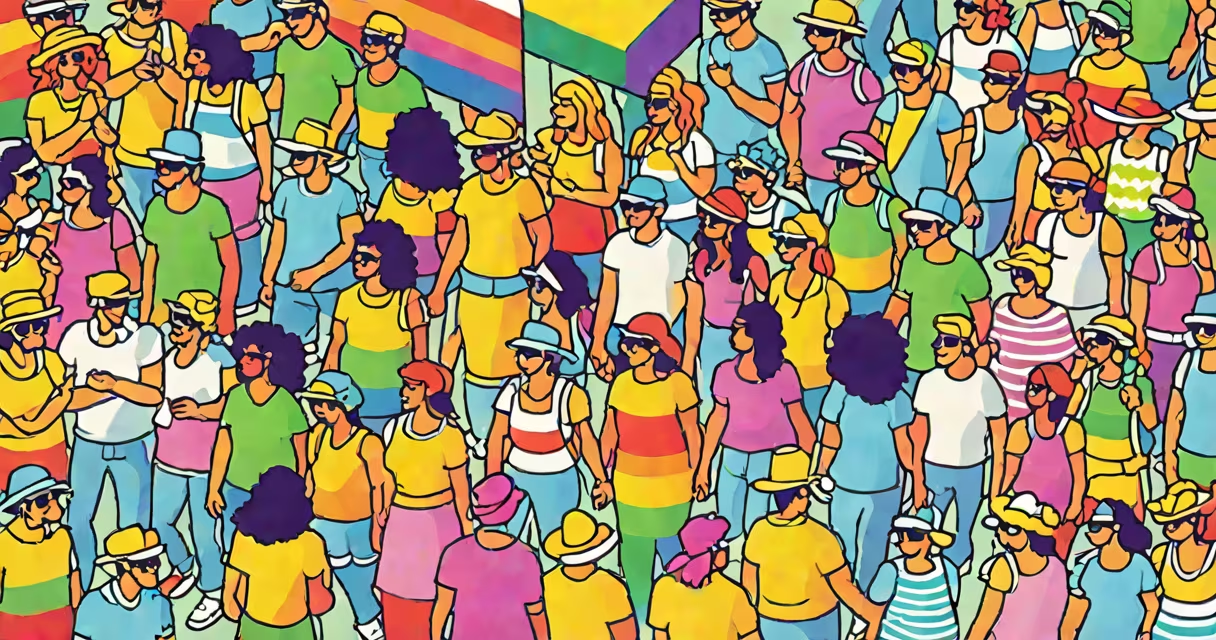
pride festival outfits are coordinated or individual clothing ensembles worn at LGBTQ+ pride events to express identity, solidarity, and celebration. They often feature rainbow colors, gender-nonconforming silhouettes, and symbolic accessories. These outfits serve both aesthetic and political purposes, blending personal style with public affirmation.
Outfits at pride festivals are not random choices. They follow patterns rooted in history and culture. The rainbow flag, designed by Gilbert Baker in 1978, remains central. Its colors-red, orange, yellow, green, blue, and violet-represent diversity within the LGBTQ+ community. Wearing these hues signals belonging, visibility, and resistance to erasure. A 2022 study by the Williams Institute found that 68% of LGBTQ+ adults in the U.S. reported wearing rainbow symbols during pride events, citing emotional connection and safety.
Many attendees mix high fashion with DIY elements. A person might wear a custom-printed t-shirt with "Queer & Proud" in bold letters, paired with platform boots and a hand-painted face mask. Others opt for full drag looks, gender-fluid tailoring, or gender-neutral designs. The key is intentionality-not just color, but meaning. A 2021 survey by GLAAD showed that 54% of participants felt their outfit helped them feel seen and validated during pride events.
How pride festival outfits work
These outfits function as visual statements. They communicate identity, challenge norms, and build community. Unlike formalwear or business attire, pride festival outfits prioritize self-expression over conformity. They're worn not to impress, but to affirm.
Wearing a pride outfit is a form of quiet protest. During the 1980s AIDS crisis, activists wore rainbow pins and T-shirts to counter stigma. Today, the practice continues. In 2023, New York City's Pride March saw over 150,000 people in rainbow-themed clothes, according to official event reports. The collective display reinforced visibility and resilience.
Some outfits carry deeper symbolism. A transgender attendee might wear a shirt with the trans flag colors-blue, pink, and white-over a black background to represent mourning for lost lives. Another might wear a jacket covered in names of murdered Black trans women, turning clothing into a memorial. These acts aren't performance-they're testimony.
Types of pride festival outfits
Outfits vary widely based on region, age group, and personal background. Below are common categories:
| Type | Features | Example |
|---|---|---|
| Full drag | Elaborate wigs, makeup, sequins, heels, theatrical costumes | A performer in a feathered gown and red lipstick at San Francisco Pride |
| Gender-fluid | Mixed masculine/feminine styles, non-binary cuts, layered pieces | A person wearing a suit with a dress underneath and a rainbow sash |
| DYI/artisan | Hand-painted fabrics, patches, homemade accessories | A shirt stitched with "Love Is Love" in thread, using recycled materials |
| Themed | Pop culture references, historical nods, fantasy motifs | A Star Wars-inspired outfit with Stormtrooper armor painted in rainbow colors |
Not all pride outfits are flashy. Some are minimal-a single rainbow pin on a denim jacket, or a wristband with a slogan. These subtle choices still count. A 2020 report from the Human Rights Campaign noted that 37% of LGBTQ+ youth attending pride events wore low-key expressions due to safety concerns in conservative areas.
Where and why they're used
pride festival outfits appear at parades, festivals, rallies, and local gatherings worldwide. Major cities like Berlin, Tokyo, São Paulo, and Toronto host annual events drawing tens of thousands. In 2023, London's Pride attracted over 2 million attendees, many in coordinated rainbow gear.
The purpose goes beyond aesthetics. Outfits serve as tools for inclusion. When someone wears a pride outfit, they signal openness to connection. A 2021 study published in *Journal of Homosexuality* found that individuals wearing visible LGBTQ+ symbols reported higher levels of social support and lower anxiety during public events.
They also reinforce cultural memory. In 2022, a group in Austin, Texas, recreated the original 1978 rainbow flag design using handmade fabric squares sewn together during a community art project. The resulting banner was carried in the city's pride parade. This act preserved history while inviting new generations to participate.
Common misconceptions and corrections
One myth is that pride festival outfits are only for gay men. This is false. While early pride events had strong gay male influence, today's outfits reflect all genders and identities. Trans, non-binary, bisexual, pansexual, and asexual people all wear them. A 2023 survey by the National Center for Transgender Equality found that 62% of trans respondents wore pride outfits during events, citing emotional safety and recognition.
Another misconception is that these outfits are purely performative. They are not. Many attendees choose outfits based on personal milestones-first pride, coming out, surviving trauma. I once met a woman at Portland Pride who wore a dress made from her mother's wedding veil, dyed in rainbow threads. She said it honored her mother's love while affirming her own identity. That moment wasn't performance-it was healing.
There's also confusion between pride festival outfits and Halloween costumes. The difference lies in context and intent. A costume implies temporary role-play. A pride outfit signifies ongoing identity. Wearing a rainbow wig for Halloween is entertainment. Wearing one at a pride event is declaration.
Concrete example: Building your own pride festival outfit
Consider Maria, a 28-year-old queer artist living in Denver. For her first Pride Festival, she wanted something meaningful. She chose a vintage denim jacket, which she altered to fit her gender expression. She added patches: a rainbow heart, "Queer & Unapologetic," and a quote from Audre Lorde: "Your silence will not protect you." She paired it with rainbow-striped socks, a handmade rainbow scarf, and silver hoop earrings shaped like infinity symbols.
She didn't buy the outfit. She made it. The process took five days. She sourced materials from thrift stores and online marketplaces. The jacket cost $12. The patches were hand-stitched. The earrings were bought for $7. Total cost: $25. She wore it to the parade, where dozens stopped to ask about the patches. One woman cried. Maria says, "It wasn't about looking good. It was about being seen."
Her story illustrates a core truth: pride festival outfits don't require money. They require courage, creativity, and connection. The most useful ones aren't the most expensive-they're the ones that speak to the wearer's truth.