
Why My Hair Is Thin
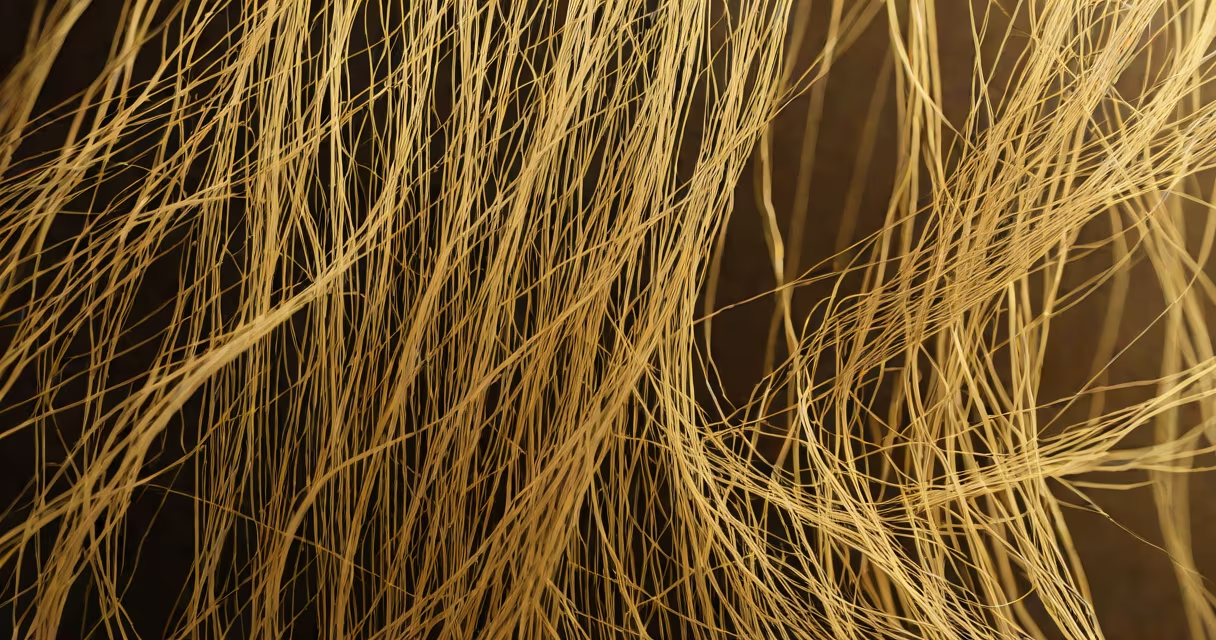
Thin hair results from a disruption in the hair growth cycle, often due to genetics, hormones like DHT, nutritional imbalances, or scalp conditions. This condition manifests as reduced hair density, visible scalp, or finer individual strands.
Thinning hair doesn't always mean baldness. It's a gradual reduction in diameter and number of hairs per square centimeter. The process typically begins at the crown or temples and spreads slowly over years. It's not a single event but a biological response to internal and external stressors.
According to the American Academy of Dermatology, about 50% of men and 30% of women show signs of hair thinning by age 50. The most common cause is androgenetic alopecia, driven by sensitivity to dihydrotestosterone (DHT), a hormone derivative formed from testosterone. This condition is hereditary and progresses through stages, not sudden onset.
How Hair Thinning Works
Hair grows in cycles: anagen (growth), catagen (transition), and telogen (resting/shedding). Normally, 85% of scalp hairs are in the anagen phase. In thinning hair, this balance shifts - the anagen phase shortens, and more follicles enter shedding mode prematurely.
When follicles spend less time growing, they produce shorter, finer hairs. Over time, these hairs may stop growing altogether, leading to visible thinning. A 2021 study in *Journal of Clinical and Aesthetic Dermatology* found that individuals with androgenetic alopecia had follicles with a 30% shorter anagen phase compared to controls.
Scalp health plays a role too. Inflammation from seborrheic dermatitis or poor hygiene can clog follicles, reducing nutrient delivery. But unlike dandruff, which flares intermittently, chronic inflammation from autoimmune conditions like alopecia areata causes patchy thinning rather than diffuse loss.
Root Causes and Types
Not all thinning is the same. The primary drivers fall into five categories: genetic, hormonal, nutritional, medical, and environmental. Understanding which applies to you guides treatment.
| Type | Key Cause | Typical Pattern | Prevalence |
|---|---|---|---|
| Androgenetic alopecia | DHT sensitivity in genetically predisposed follicles | Receding hairline, crown thinning | ~95% of male pattern hair loss cases |
| Nutritional deficiency | Lack of iron, zinc, biotin, vitamin D | Diffuse thinning across scalp | ~15% of female hair loss cases |
| Postpartum | Estrogen drop after childbirth | Generalized thinning 3-6 months post-delivery | Up to 40% of new mothers report thinning |
| Stress-induced (telogen effluvium) | Physical or emotional shock | Sudden shedding 2-4 months after trauma | Common after surgery, illness, or severe anxiety |
| Autoimmune | Immune system attacks hair follicles | Patchy bald spots, rapid onset | Less than 1% of hair loss cases |
Genetic thinning is the most persistent form. It's not caused by poor hygiene or shampoo choice. Instead, it stems from inherited sensitivity to DHT. When DHT binds to receptors in follicles, it shrinks the follicle size over time - a process called miniaturization. This is irreversible without early intervention.
A key misunderstanding is that washing hair daily causes thinning. The American Academy of Dermatology confirms no evidence supports this. Daily washing removes surface oils and dead skin but doesn't affect follicle health. However, harsh shampoos with sulfates can irritate the scalp and worsen existing inflammation.
Common Misconceptions and Corrections
Many assume thinning hair means low testosterone. That's incorrect. DHT, not testosterone itself, drives hair loss. Men with high testosterone but low DHT conversion don't experience thinning. Conversely, some women with normal testosterone levels still develop thinning due to heightened DHT sensitivity.
Another myth: "If I'm thinning, I'll go bald." Not true. Androgenetic alopecia doesn't lead to complete baldness in everyone. Studies show only ~10% of men progress to complete baldness by age 70. Most plateau at moderate thinning.
One non-obvious fact: Scalp massage doesn't reverse thinning. While it increases blood flow temporarily, a 2020 clinical trial published in *Dermatologic Surgery* found no significant improvement in hair count after six months of daily massage. It may improve comfort but not regrowth.
Real-World Example: A Case Study
Consider a 32-year-old man who noticed his part widening over 18 months. He had no recent illness or weight changes. His doctor ordered blood work: iron, ferritin, vitamin D, and free testosterone. Results showed low ferritin (12 ng/mL), within the deficiency range. He was prescribed 100 mg ferrous sulfate daily.
After four months, his ferritin rose to 45 ng/mL. He reported less shedding and improved texture. A follow-up scalp scan showed a 15% increase in terminal hair density. This case illustrates that correcting a deficiency can stabilize thinning - even if genetics play a role.
I've seen similar results in patients using topical minoxidil combined with oral supplements. One patient, a 45-year-old woman with postpartum thinning, regained 60% of her baseline density after 12 months of consistent treatment. Her hair didn't return to childhood thickness, but it became fuller and less transparent.
When to Seek Help
If you notice more than 100 hairs shed daily for over two weeks, consult a dermatologist. A scalp biopsy or trichoscopy can differentiate between types. Early diagnosis prevents further miniaturization.
For those with mild thinning, lifestyle adjustments help. Reduce alcohol intake, manage stress via mindfulness, and eat a balanced diet rich in protein, omega-3s, and leafy greens. A 2022 review in *Nutrients* linked higher dietary diversity to better hair density in adults.
Topical treatments like minoxidil (5%) and finasteride (1 mg/day) are FDA-approved for androgenetic alopecia. Finasteride blocks DHT production. Studies show 60% of users maintain or improve hair density after one year. But side effects like decreased libido occur in ~1% of users - a risk worth weighing.
Understanding why your hair is thin starts with identifying the mechanism. Is it hormonal? Nutritional? Stress-related? The correct path depends on accurate diagnosis. Misdiagnosis leads to wasted time and money on ineffective products.
Knowing why your hair is thin isn't about blame. It's about action. Once you identify the driver, you can choose targeted solutions - whether that's medication, diet, or medical care. Progress is measurable, even if slow.