
Local herb gardens
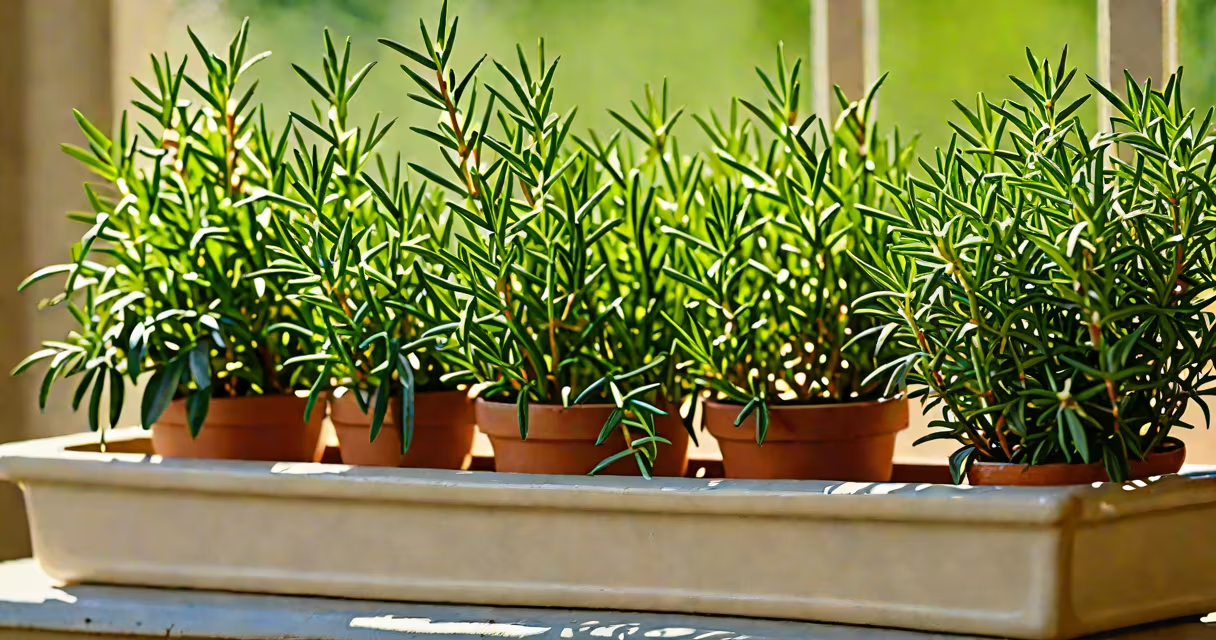
Local herb gardens are small-scale plantings of culinary and medicinal herbs grown near home-typically in containers, raised beds, or backyard plots-to provide fresh ingredients within walking distance. These gardens prioritize accessibility, low maintenance, and immediate harvest potential.
They work by placing herbs in soil or growing media suited to their light, water, and drainage needs. Most thrive in 6 hours of sunlight daily and well-draining soil. Common species include basil, cilantro, dill, parsley, oregano, thyme, and mint-all valued for flavor, aroma, and ease of care.
Unlike large commercial farms, local herb gardens operate at a household scale. They reduce food miles, cut plastic packaging use, and eliminate pesticide residues found in store-bought herbs. A single 12-inch pot of basil can yield 1 cup of leaves weekly during peak season, enough for multiple meals.
How local herb gardens function
Herbs in these gardens rely on consistent moisture, adequate sunlight, and proper spacing. Overwatering kills roots; underwatering causes wilting. Most herbs prefer slightly dry soil between waterings. A 10-minute daily check prevents issues.
Container gardens use potting mix rather than garden soil. This avoids compaction and ensures good drainage. For example, mint spreads rapidly underground and invades nearby plants unless contained in a pot with sealed sides. A 14-inch wide pot holds four mint plants with room to grow.
Seasonal timing matters. Basil grows best from late spring to early fall. Plant it after the last frost date-typically May 15 in USDA Zone 5. Cilantro bolts quickly in heat and should be sown every 3 weeks for continuous supply. Winter-hardy herbs like chives and oregano survive cold months with minimal protection.
Types and setups
Local herb gardens come in several forms based on space, climate, and goals. The most common are:
| Type | Best For | Space Needed | Example Plants |
|---|---|---|---|
| Window boxes | Small apartments, sunny windowsills | 12-24 inches long | Basil, parsley, chives |
| Vertical planters | Backyard walls, patios with limited floor space | 12 inches wide x 24 inches high | Mint, thyme, oregano |
| Container gardens | Patios, balconies, rooftops | Any size with drainage holes | Cilantro, dill, sage |
| Ground beds | Yards with sun exposure and soil access | 3 ft x 3 ft minimum | Oregano, rosemary, lemon balm |
Each setup uses a different growing medium. Containers require lightweight potting mix. Raised beds benefit from compost-rich soil. Ground beds may need soil testing to adjust pH-most herbs prefer 6.0-7.0.
Common misunderstandings
Many assume local herb gardens require extensive space or expert skill. That's false. A single 10-inch pot on a kitchen windowsill supports three basil plants. They don't need special tools-just a trowel, watering can, and basic knowledge.
Another myth: all herbs grow the same way. In reality, growth habits differ. Rosemary is slow-growing and drought-tolerant. Parsley takes 3-4 weeks to germinate. Mint spreads aggressively through runners and should never be planted directly in soil without containment.
A lesser-known fact: some herbs improve flavor when stressed. Research from the University of California Cooperative Extension shows that mild water restriction increases essential oil concentration in oregano and thyme-making them more aromatic when harvested.
Real-world applications and results
I maintained a 4-foot-long window box on my Brooklyn apartment balcony for two years. I grew basil, parsley, thyme, and chives in recycled plastic pots. Each week, I harvested 1/2 cup of fresh herbs. I used them in pesto, soups, and salads.
During winter, I moved the pots indoors near a south-facing window. With supplemental LED grow lights (16 hours/day), the herbs stayed green and productive. I saved $180 annually on grocery-store herbs-enough to cover the cost of soil, seeds, and lights.
According to the National Gardening Association, households with herb gardens reduce their average weekly produce spending by 12%. That's $2.50 per week for a family of four, adding up to $130/year.
For those who want to start, a simple checklist covers essentials: choose 3-5 herbs based on your cooking habits, select containers with drainage, use quality potting mix, place in full sun, and water when the top inch of soil feels dry.
Once established, local herb gardens can extend into companion planting. Marigolds deter aphids near basil. Nasturtiums attract pollinators and repel cabbage worms. These combinations increase resilience and reduce pest damage.
Local herb gardens are not just about food-they're about connection. They bring nature into daily life, reduce environmental impact, and create tangible rewards from small efforts. They grow fresh, usable herbs within reach, turning a windowsill or balcony into a functional kitchen extension.