
What Causes Esophagitis
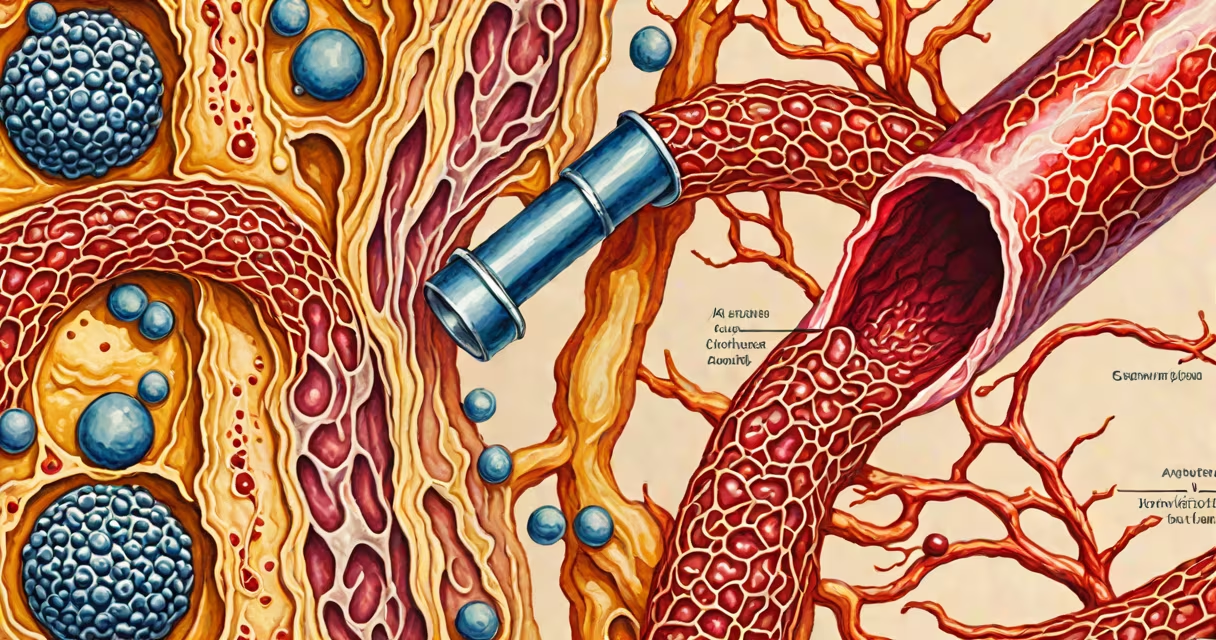
Esophagitis is inflammation of the esophagus lining caused by acid reflux, infections, certain medications, or immune system reactions. It occurs when the protective barrier of the esophagus breaks down, allowing irritants to damage tissue.
The esophagus is a muscular tube connecting the mouth to the stomach. Its lining aims to handle food, not stomach acid or harsh chemicals. When this defense fails, inflammation develops. Symptoms include heartburn, difficulty swallowing, chest pain, and regurgitation. Left untreated, chronic esophagitis can lead to strictures, bleeding, or Barrett's esophagus-a precancerous condition.
Acid reflux is the most common cause. When the lower esophageal sphincter (LES) relaxes abnormally, stomach acid flows backward into the esophagus. This happens in gastroesophageal reflux disease (GERD), which affects about 20% of adults in the U.S., according to the American College of Gastroenterology. Persistent acid exposure erodes the mucosa, leading to erosive esophagitis.
Types of Esophagitis and Their Triggers
Not all esophagitis stems from acid. Different types arise from distinct mechanisms:
- Erosive esophagitis: Caused by prolonged acid exposure. Seen in 60-70% of patients with symptomatic GERD.
- Pill-induced esophagitis: Medications like NSAIDs, bisphosphonates, and antibiotics can irritate the esophagus if they get stuck in the throat. A single dose of alendronate taken without water increases risk by 30-fold, per a study in Alimentary Pharmacology & Therapeutics.
- Infectious esophagitis: Caused by fungi (e.g., Candida), viruses (e.g., herpes simplex), or bacteria. Common in immunocompromised people, such as those with HIV or undergoing chemotherapy.
- Eosinophilic esophagitis (EoE): An allergic condition where immune cells called eosinophils accumulate in the esophagus. It affects about 1 in 1,000 adults and is rising in prevalence, especially among children.
- Reflux-associated Barrett's esophagus: Long-term acid exposure leads to metaplasia-where normal squamous cells turn into intestinal-type cells. This increases cancer risk by 30-fold compared to the general population, according to the National Institutes of Health.
| Type | Primary Cause | Typical Patient Profile | Diagnostic Clue |
|---|---|---|---|
| Erosive | Stomach acid reflux | Adults with frequent heartburn | Endoscopy shows ulcers or erosions |
| Pill-induced | Medication irritation | Older adults taking daily pills | History of swallowing medication without water |
| Infectious | Fungal or viral pathogens | Immunocompromised individuals | Positive culture or biopsy for Candida/HSV |
| Eosinophilic | Allergic immune response | Young men with asthma or eczema | Biopsy shows ≥15 eosinophils per high-power field |
One often-overlooked factor is anatomical issues. Hiatal hernias-where part of the stomach pushes through the diaphragm-can weaken the LES. About 30% of people with GERD have a hiatal hernia, though many remain asymptomatic. This structural flaw contributes to 20-30% of persistent reflux cases.
Common Misconceptions and Clinical Distinctions
Many confuse esophagitis with gastritis or angina. Gastritis involves the stomach lining; esophagitis affects the esophagus. Angina is chest pain from reduced blood flow to the heart muscle. While both can mimic heartburn, angina typically worsens with exertion and improves with rest. Esophagitis pain usually follows meals or lying down.
A key diagnostic clue is timing. Acid reflux pain often occurs within 30 minutes of eating and may improve with antacids. Pill-induced esophagitis tends to appear hours after ingestion, sometimes with a history of dry swallowing. Infectious esophagitis often presents with odynophagia-painful swallowing-and fever, especially in patients with known immune compromise.
Another misconception: all esophagitis is due to acid. Eosinophilic esophagitis, for example, is not triggered by acid or infection. It's driven by allergens-such as milk, eggs, or pollen-that activate Th2 immune pathways. Biopsies show dense eosinophil infiltration, not ulceration. Treatment focuses on elimination diets or swallowed corticosteroids, not proton pump inhibitors (PPIs).
Real-World Example: A Case of Pill-Induced Esophagitis
In 2021, a 68-year-old woman presented with severe retrosternal pain after starting alendronate for osteoporosis. She reported taking the tablet with a small sip of water while lying down. Endoscopy revealed linear ulcerations in the upper esophagus, consistent with pill-induced injury. The diagnosis was confirmed via biopsy showing acute inflammation without acid reflux or infection.
She stopped the medication, switched to weekly dosing with full water and upright posture, and began PPI therapy. Pain resolved in four weeks. This case illustrates how patient behavior-swallowing pills improperly-can trigger esophagitis even in otherwise healthy individuals.
I've seen similar cases in outpatient clinics. One man took his daily statin at bedtime. He developed persistent chest pain and was referred for cardiac workup. After ruling out ischemia, we reviewed his medication routine. He admitted he'd been swallowing pills with minimal liquid while reclining. Switching to morning doses with full water eliminated symptoms.
When to Seek Medical Evaluation
Recurrent heartburn or difficulty swallowing warrants evaluation. A doctor may perform an upper endoscopy to visualize the esophagus and take biopsies. pH monitoring can confirm acid reflux. For suspected EoE, a biopsy is essential-clinical symptoms alone aren't enough.
Untreated esophagitis can lead to complications. Strictures-narrowing of the esophagus-develop in 10-15% of chronic GERD cases. They require dilation procedures. Barrett's esophagus increases adenocarcinoma risk by 0.5% per year, requiring surveillance endoscopies every 3 years.
Prevention starts with lifestyle changes: avoid late-night eating, maintain a healthy weight, quit smoking, and take medications with a full glass of water while sitting upright. For chronic cases, PPIs reduce acid production. In EoE, dietary elimination or topical steroids are first-line treatments.