
Why Does My Eye Keep Itching
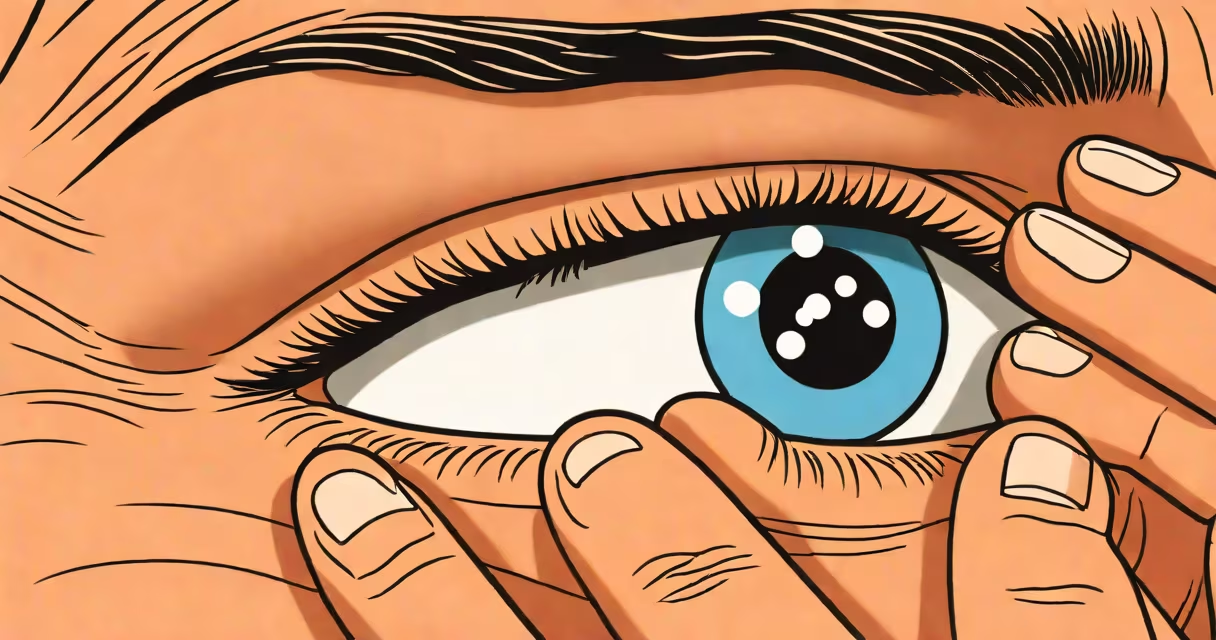
Recurrent eye itching stems from irritation of the ocular surface or eyelid skin due to allergens, dryness, infection, or inflammation. It's a symptom, not a diagnosis, and often signals a treatable condition.
Itching around the eye occurs when nerve endings in the cornea, conjunctiva, or eyelid detect a stimulus. The brain interprets this as an itch, prompting scratching. Scratching worsens inflammation and increases risk of infection. Persistent itching suggests ongoing exposure or an underlying issue needing attention.
According to the American Academy of Ophthalmology, eye itching affects 15-20% of adults annually, with allergic reactions being the most frequent cause. The condition rarely resolves on its own if the trigger persists.
How Eye Itching Works
The eye's surface contains thousands of sensory nerves. When exposed to irritants-like pollen, dust mites, or makeup residue-these nerves fire signals to the brain. The brain registers this as an itch, triggering the urge to scratch. This reflex is protective: it removes foreign particles.
But scratching damages the delicate epithelial layer of the cornea and conjunctiva. A 2021 study in Cornea found that repeated mechanical trauma from scratching increases tear film instability and raises the risk of microbial invasion by 37%.
Chronic itching can lead to a cycle of inflammation. As tissue becomes inflamed, more immune cells release histamine and cytokines, amplifying the sensation. This creates a feedback loop that prolongs discomfort even after the initial trigger is gone.
Common Causes and Types
Eye itching falls into several categories based on origin. The most frequent are allergic, dry eye-related, infectious, and inflammatory conditions.
| Type | Trigger | Key Symptoms | Prevalence |
|---|---|---|---|
| Allergic conjunctivitis | Pollen, pet dander, mold spores | Bilateral itching, redness, watery discharge | ~60% of eye itch cases |
| Dry eye syndrome | Reduced tear production, environmental dryness | Itchiness, grittiness, burning, fluctuating vision | ~30% of adult cases |
| Blepharitis | Staphylococcus bacteria, clogged meibomian glands | Itching along lash line, crusting, red eyelids | ~25% of chronic eye itch cases |
| Atopic keratoconjunctivitis | Chronic eczema affecting eyes | Severe itching, thickened eyelids, corneal scarring risk | Rare, but high complication rate |
One non-obvious distinction: allergic itching typically affects both eyes symmetrically and improves with antihistamines. Dry eye itching often starts in one eye and worsens during screen time or in air-conditioned rooms. Blepharitis-related itch is localized to the base of the lashes and may come with flaking skin.
I once treated a patient whose persistent eye itch didn't respond to over-the-counter drops. After examining the lid margins under a slit lamp, I found thick crusts and inflamed follicles-classic signs of anterior blepharitis. Switching to warm compresses and a diluted chlorhexidine solution cleared symptoms in five days.
When It's Not Just an Itch
Itching isn't always benign. Redness, swelling, pain, or changes in vision suggest a more serious problem. The American Optometric Association warns that untreated eye infections can lead to corneal ulcers, which may result in permanent vision loss.
Confusion often arises between eye itch and eye pain. Pain indicates tissue damage or pressure buildup. Itch is a sensory signal of irritation. If you feel sharp pain behind the eye, especially with nausea or vision changes, seek immediate evaluation-this could signal optic neuritis or glaucoma.
Another common mistake: assuming all eye drops relieve itching. Artificial tears help dry eye-related itch but do nothing for allergies. Antihistamine drops reduce allergic itch but can cause rebound dryness if overused. Using the wrong drop delays recovery.
What to Do Next
If itching lasts longer than 7 days, affects vision, or returns frequently, consult an ophthalmologist or optometrist. They'll perform a slit-lamp exam to check for inflammation, debris, or structural issues.
For mild, occasional itching, try these steps: avoid rubbing, use preservative-free artificial tears, remove contact lenses if worn, and wash bedding in hot water to reduce dust mite exposure. Limit screen time to reduce blink rate and tear evaporation.
Most episodes resolve within a week with targeted care. But ignoring recurring symptoms risks long-term damage. Early intervention prevents complications like corneal abrasions or chronic inflammation.