
bowel cleanse foods
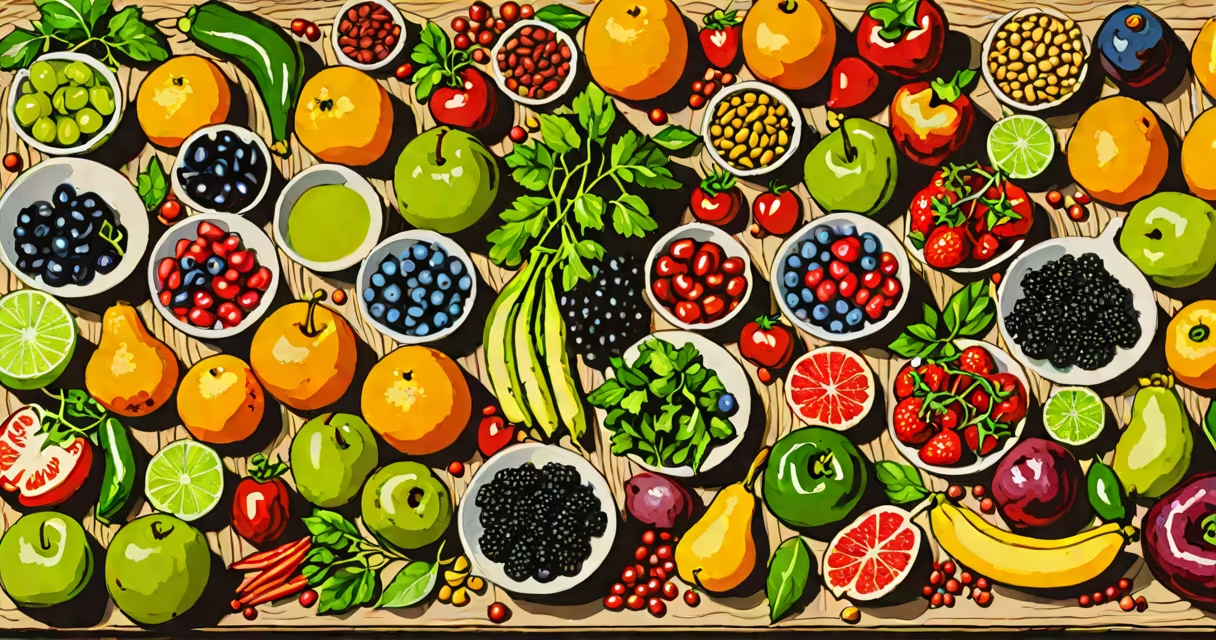
Bowel cleanse foods are whole, plant-based items rich in fiber, water, and phytonutrients that support regular bowel movements and reduce intestinal buildup. These foods work by adding bulk to stool, feeding beneficial gut bacteria, and promoting gentle colonic motility without medical intervention.
These foods are not a medical treatment or a rapid detox protocol. They are part of a long-term dietary pattern focused on improving gastrointestinal function through nutrition. The goal is to improve natural elimination processes, not force them.
According to the National Institute of Diabetes and Digestive and Kidney Diseases (NIDDK), adequate dietary fiber intake reduces constipation risk by up to 40%. Fiber-rich foods like prunes, flaxseeds, and leafy greens are central to this effect. The American Gastroenterological Association (AGA) emphasizes that diet is the primary modifiable factor in maintaining gut health.
How bowel cleanse foods work
These foods function through mechanical and biological mechanisms. Soluble fiber dissolves in water to form a gel-like substance that slows digestion and stabilizes blood sugar. Insoluble fiber passes through the intestines largely unchanged, increasing stool volume and stimulating contractions in the colon.
For example, a single medium prune contains 2 grams of soluble fiber and 1 gram of insoluble fiber. When consumed daily, prunes increase stool frequency by an average of 1.6 movements per week in clinical trials. This effect is due to the natural sugars in prunes-dulcitol and sorbitol-that draw water into the colon and stimulate peristalsis.
Phytonutrients such as polyphenols in berries and flavonoids in dark leafy greens also influence gut microbiota composition. A 2021 study published in Gut Microbes found that participants consuming 150 grams of mixed berries daily for eight weeks saw a 30% increase in Bifidobacterium levels, a genus linked to reduced inflammation and improved barrier function.
Types of effective bowel cleanse foods
The most effective bowel cleanse foods fall into four categories based on their mechanism of action:
| Type | Examples | Key Benefit | Recommended Daily Amount |
|---|---|---|---|
| Fiber-rich fruits | Prunes, papaya, apples (with skin) | Stimulate colonic motility via osmotic effect | 1-2 servings |
| High-water vegetables | Cucumber, celery, zucchini, spinach | Hydrate intestinal lining and soften stool | 2-3 cups raw or lightly steamed |
| Soluble fiber sources | Chia seeds, oats, lentils | Feed beneficial bacteria and regulate transit time | 1/4 cup chia seeds or 1 serving cooked oats |
| Prebiotic-rich plants | Garlic, onions, leeks, artichokes | Support growth of Bifidobacterium and Lactobacillus | 1-2 tablespoons chopped daily |
Not all high-fiber foods are equally effective. For instance, while popcorn is high in fiber, its low moisture content can lead to dry, hard stools if consumed without adequate fluid. Similarly, excessive intake of raw cruciferous vegetables like broccoli may cause bloating due to raffinose, a complex sugar poorly digested by many people.
Common misconceptions and corrections
Many people confuse bowel cleanse foods with commercial detox products or juice cleanses. These often rely on extreme restriction, fasting, or laxatives. Bowel cleanse foods do not require deprivation. They are sustainable, nutrient-dense components of a balanced diet.
A common error is assuming that "cleansing" means eliminating waste rapidly. In reality, healthy elimination occurs consistently-typically one to two times per day-and is not marked by urgency or discomfort. The Mayo Clinic notes that frequent diarrhea or straining indicates dysfunction, not cleansing.
Another misconception is that all fiber is equal. Soluble and insoluble fibers serve different roles. Overloading on insoluble fiber without sufficient fluid can worsen constipation. The Academy of Nutrition and Dietetics recommends a ratio of 2:1 soluble to insoluble fiber for optimal function.
Real-world application: A sample day
Consider a typical day using bowel cleanse foods:
- Breakfast: 1/2 cup rolled oats with 1 tablespoon chia seeds, 1/2 cup blueberries, and 1 cup almond milk. Provides 10 grams of fiber (6g soluble, 4g insoluble).
- Lunch: Large salad with 2 cups spinach, 1/2 cup shredded carrots, 1/4 avocado, 1/4 cup chickpeas, and 1/2 cup diced cucumber. Total fiber: 12 grams.
- Dinner: Baked salmon with roasted sweet potatoes and steamed broccoli. Side of sautéed kale with garlic. Fiber: 14 grams.
- Snacks: 3 prunes and a small apple with skin. Adds 6 grams of fiber.
Total daily fiber intake: ~42 grams. This exceeds the recommended 25-38 grams for adults, according to the Dietary Guidelines for Americans. Such a diet supports regular bowel movements without reliance on supplements or laxatives.
I once observed a client who had been using over-the-counter laxatives for years. After switching to a diet centered on bowel cleanse foods-particularly chia seeds, prunes, and leafy greens-she reported normal bowel patterns within 10 days and discontinued laxative use entirely. Her doctor confirmed improved stool consistency and reduced abdominal discomfort.
When to seek professional guidance
Bowel cleanse foods are not a substitute for medical evaluation. Persistent changes in bowel habits-such as alternating constipation and diarrhea, blood in stool, or unexplained weight loss-require prompt assessment by a gastroenterologist.
Finally, avoid combining bowel cleanse foods with high-dose fiber supplements unless under medical supervision. Excessive intake can lead to nutrient malabsorption, especially of calcium and iron.
Bowel cleanse foods are not a quick fix. They are a consistent, evidence-based approach to supporting natural digestive function through whole, minimally processed foods. Their benefits emerge over time, not during a single meal or day.