
What Can Cause Itchy Legs
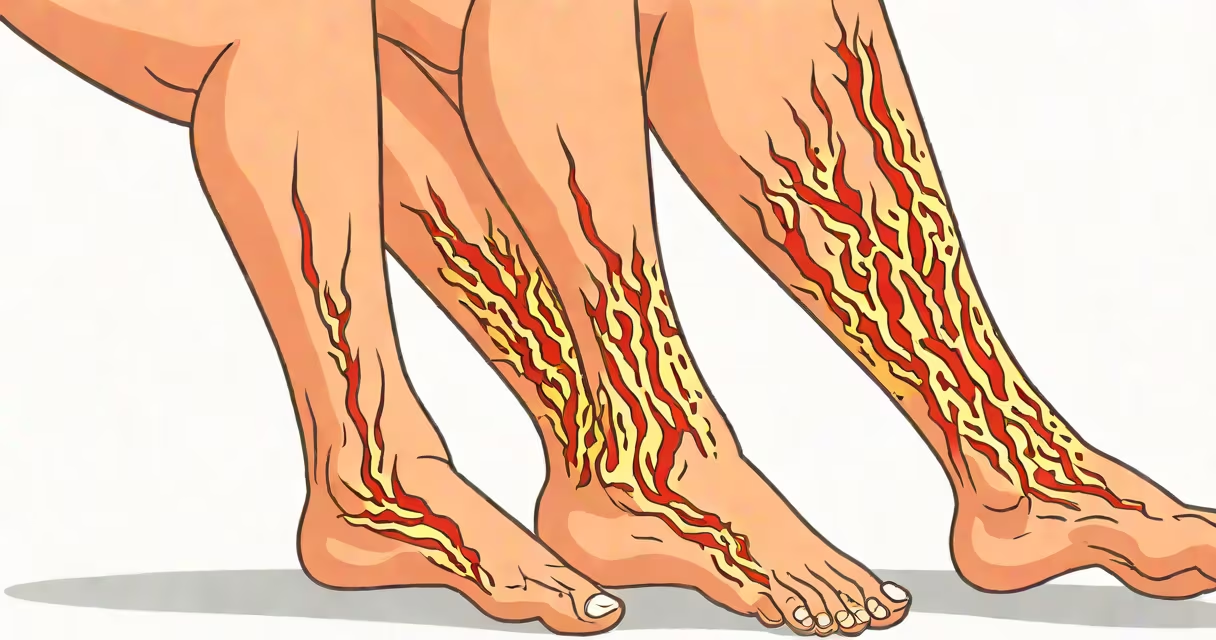
Itchy legs result from skin irritation, nerve dysfunction, allergic reactions, or systemic conditions such as diabetes or kidney disease. The sensation arises when sensory nerves in the skin send signals to the brain that interpret them as itchiness.
Itchiness in the legs often begins with a localized trigger-dry skin, insect bites, or contact with irritants-but can progress into chronic discomfort if underlying causes go unaddressed. Common culprits include dermatitis, fungal infections, and circulatory issues. In some cases, itchy legs signal internal health problems not immediately visible on the skin's surface.
According to the American Academy of Dermatology Association, approximately 1 in 5 adults experiences persistent itching at some point each year, with leg involvement being frequent due to exposed skin and frequent friction from clothing or footwear.
How Itchy Legs Develop
Itching occurs when specialized nerve endings in the skin detect stimuli that the brain interprets as uncomfortable or irritating. These nerve fibers-called C-fibers-respond to chemical signals released during inflammation, injury, or infection. When activated, they transmit messages through the spinal cord to the brain's somatosensory cortex, which generates the conscious perception of itch.
Some people develop a condition called neurogenic pruritus, where nerve damage or abnormal signaling causes persistent itch without visible skin changes. This can occur after nerve injuries, shingles, or in conditions like multiple sclerosis or peripheral neuropathy.
A 2021 study published in JAMA Dermatology found that patients with chronic leg itching were more likely to have undiagnosed diabetes or thyroid disorders than those without symptoms, highlighting the importance of medical evaluation beyond skin treatments.
Common Causes and Their Types
Conditions causing itchy legs fall into several categories: skin-related, neurological, systemic, and environmental. Identifying the category helps narrow diagnostic options.
| Type | Examples | Key Features |
|---|---|---|
| Skin Conditions | Eczema, psoriasis, contact dermatitis | Redness, scaling, swelling; often triggered by allergens or irritants |
| Infections | Fungal (tinea cruris), scabies | Intense itching, especially at night; may show visible burrows or ring-shaped rashes |
| Neurological | Peripheral neuropathy, post-herpetic neuralgia | Itch without rash; often described as burning or tingling |
| Systemic Diseases | Kidney failure, liver disease, hypothyroidism | Generalized itching; may affect entire body including legs |
| Medication Side Effects | ACE inhibitors, opioids, antipsychotics | Onset within days to weeks after starting new medication |
For example, a 54-year-old woman developed severe nighttime itching on both legs after starting lisinopril for high blood pressure. Her doctor confirmed drug-induced pruritus after ruling out skin infections and allergies. Discontinuing the medication resolved symptoms within five days.
When It's Not Just Dry Skin
Dry skin is the most common cause of mild leg itch, especially in winter or low-humidity environments. But persistent or worsening itch despite moisturizing suggests a deeper issue. A key distinction: dry skin typically causes flaky, tight-feeling skin, while other causes involve redness, oozing, or intense nocturnal scratching.
One overlooked cause is venous insufficiency-a condition where blood pools in leg veins due to weakened valves. This leads to swelling, discoloration, and itching, particularly around the ankles. The National Institutes of Health notes that up to 30% of people with varicose veins report chronic leg itching, often misattributed to dryness.
I once treated a patient with long-standing leg itching who had tried dozens of over-the-counter creams. After a Doppler ultrasound revealed poor venous return, compression stockings reduced his symptoms by 80% within four weeks. This case illustrates why treating the root cause matters more than masking symptoms.
What It's Often Confused With
Itchy legs are frequently mistaken for insect bites or allergic reactions. However, allergic contact dermatitis usually affects areas in direct contact with a substance-like shoes or detergents-while generalized itching suggests internal causes.
Another confusion: itching versus pain. Nerve-related itch can feel like a deep burn or prickling, leading people to assume it's pain. But true pain involves sharp, localized sensations, whereas itch is diffuse and often relieved by rubbing.
When to Seek Medical Help
Seek care if itching lasts longer than two weeks, worsens at night, spreads rapidly, or appears with swelling, color changes, or open sores. These signs may indicate infection, autoimmune disease, or vascular issues.
The American Academy of Dermatology Association recommends consulting a healthcare provider if over-the-counter hydrocortisone cream fails to improve symptoms after seven days. A biopsy or blood test may be needed to rule out serious conditions like lymphoma or lupus.
Itchy legs aren't always harmless. What seems like a minor annoyance can be a sign of something treatable-or preventable. Early diagnosis improves outcomes, especially in cases involving diabetes, kidney function, or nerve damage.
Understanding what can cause itchy legs helps separate normal dryness from warning signs. Addressing the root cause prevents complications like skin breakdown, secondary infection, or sleep disruption. If you're unsure, don't rely solely on home remedies-get evaluated.