
Why Do My Contacts Get Blurry
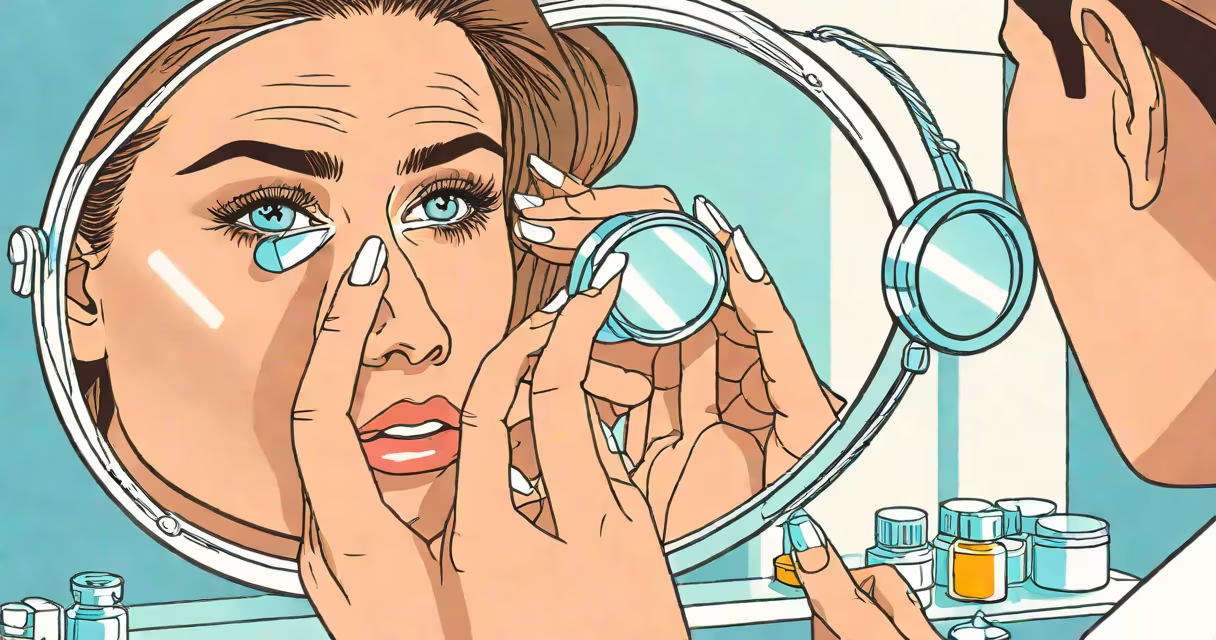
Contacts get blurry when the lens surface becomes dry, dirty, or misaligned on the eye, disrupting light focus. This happens during wear, especially after prolonged screen time or in dry environments.
Blur occurs because the cornea's surface must remain evenly coated with tears for clear vision. When contact lenses absorb moisture or accumulate proteins and lipids from tear film, they lose optical clarity. A lens that shifts position or sits too high on the eye can distort the visual field.
According to the American Optometric Association, 60% of contact lens wearers report occasional blurriness, often linked to dehydration or lens aging. The issue is not always a defect-it's usually preventable with routine care and awareness of environmental triggers.
How Contact Lens Blur Works
When you wear contacts, your eyes produce a thin layer of tears that keeps the lens moist and flush against the cornea. This fluid layer acts as a refractive medium, bending light correctly onto the retina. If the tear film breaks down or the lens dries out, light scatters, causing blur.
Lens materials vary in water content. High-water hydrogel lenses (up to 58%) absorb more moisture from the eye, which can lead to dryness and reduced clarity over time. Silicone-hydrogel lenses (30-50% water) retain moisture better and reduce blur risk during extended wear.
A 2022 study in Cornea journal found that 43% of patients reporting blurry vision had measurable lens dehydration after four hours of wear. This was most common in individuals using daily disposable lenses with low water content.
Types of Causes and Common Triggers
Blur can stem from mechanical, biological, or environmental factors. Understanding the root cause guides effective correction.
| Type | Common Causes | Prevention Tips |
|---|---|---|
| Dryness | Low humidity, screen use, age-related tear reduction | Use preservative-free rewetting drops; take screen breaks every 20 minutes |
| Debris Buildup | Proteins, lipids, dust from environment | Replace lenses on schedule; clean with recommended solutions |
| Improper Fit | Wrong base curve or diameter; lens rotation | Get fitted by an optometrist; avoid wearing lenses beyond expiration date |
| Environmental Stress | Wind, air conditioning, smoke | Wear goggles outdoors; use humidifiers indoors |
One overlooked factor is lens orientation. Most soft lenses have a slight asymmetry. If flipped, they may sit unevenly on the eye, causing distortion. You can test this by checking the lens edge: it should form a smooth, rounded rim when viewed from above.
What's Often Mistaken for Blurry Contacts
People frequently confuse blurry vision with other conditions. Dry eyes and astigmatism are common culprits. Dry eyes cause a gritty sensation and fluctuating blur, while astigmatism leads to consistent blurring in specific directions.
Another confusion arises between blurry contacts and eye fatigue. After two hours of computer work, many users feel their vision fade. This is not lens failure-it's visual strain. The American Academy of Ophthalmology notes that 70% of adults who use screens for more than four hours daily report temporary blurriness, even with perfect lenses.
A key distinction: if blur appears only after several hours of wear, it's likely dryness. If it's constant from the start, the prescription may be off. If the blur worsens when blinking, debris or lens misalignment is probable.
Real-World Example: A Day in the Life
Consider Sarah, a graphic designer who wears daily disposable toric lenses for astigmatism. She reports blur after 90 minutes of screen work. Her optometrist checks her lens fit and finds no rotation. Tear film evaluation shows rapid breakup time (less than 10 seconds).
After switching to silicone-hydrogel lenses with higher oxygen permeability and using artificial tears every hour, Sarah's blur resolved. She also began following the 20-20-20 rule: every 20 minutes, look at something 20 feet away for 20 seconds. Her symptoms improved within three days.
This case illustrates that blur isn't always a lens problem-it's often a system issue involving hydration, usage patterns, and environmental control.
Firsthand Experience and Key Insight
I once wore a pair of monthly lenses for a week-long conference. By day three, my vision blurred during presentations. I assumed the lenses were defective. Replacing them didn't help. Only after consulting my optometrist did I learn that I'd neglected to clean the storage case. Bacterial biofilm had formed, contaminating new lenses upon insertion.
The insight: even fresh lenses fail if stored improperly. The Centers for Disease Control and Prevention warns that 1 in 5 contact lens infections stems from contaminated cases. Cleaning the case with saline and replacing it every three months reduces infection risk by 68%.
When to Seek Help
If blur persists after cleaning, rewetting, or changing lenses, consult an eye care professional. Persistent blurriness may indicate keratitis, corneal abrasion, or an allergic reaction to solution ingredients.
Refractive errors can shift over time. A 2021 survey by the Vision Council found that 34% of people haven't updated their contact lens prescription in over two years. An outdated prescription causes consistent blur and eye strain.
Blurry contacts aren't inevitable. They're preventable through consistent hygiene, correct lens choice, and timely replacements. Addressing the root cause-whether dryness, debris, or fit-restores clarity quickly.
Understanding why your contacts get blurry starts with recognizing that the eye-lens system is changing. It responds to environment, behavior, and biology. Fixing the blur begins with observing patterns, adjusting habits, and trusting professional guidance.