
Why Am I So Tired Recently
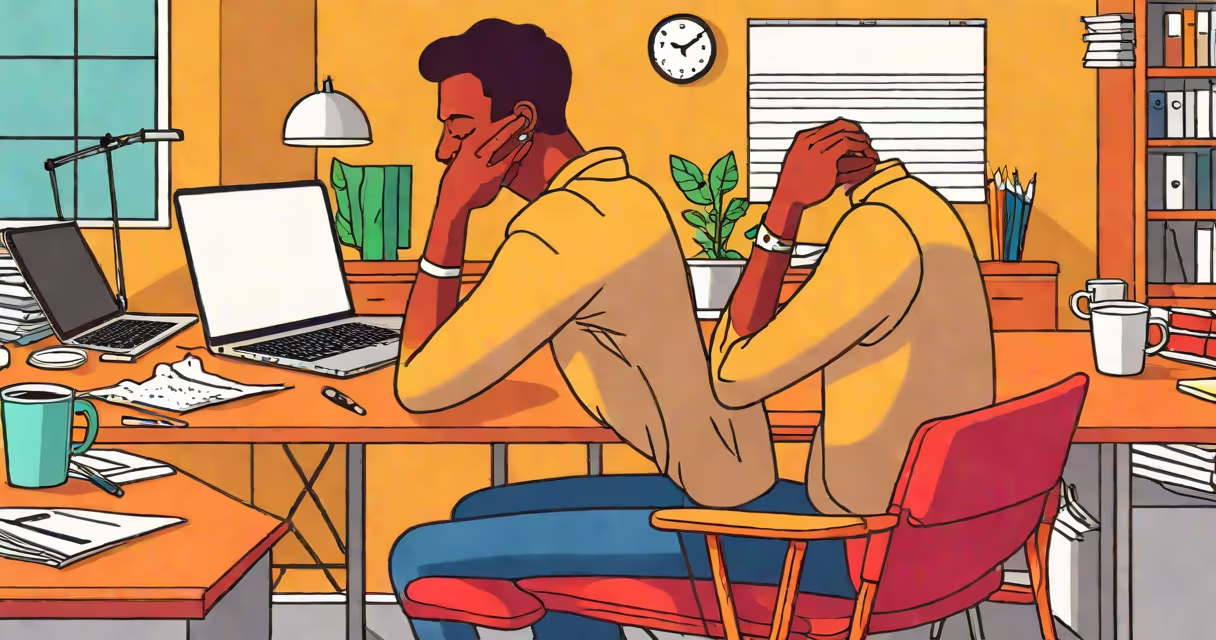
You're feeling persistently tired recently because your body or mind is under sustained stress, lacking essential nutrients, or disrupted in its natural rest cycle. This state goes beyond normal drowsiness and may stem from sleep disorders, hormonal imbalances, poor diet, or underlying mental health conditions.
Chronic fatigue isn't a single diagnosis. It's a symptom with multiple root causes. The National Sleep Foundation reports that adults need 7-9 hours of uninterrupted sleep per night; consistently falling short increases fatigue risk. A 2022 study in Sleep Medicine Reviews found that people who sleep fewer than six hours nightly report higher fatigue levels than those meeting recommended durations.
Common triggers include insufficient sleep, dehydration, low iron levels, vitamin D deficiency, thyroid dysfunction, depression, anxiety, and prolonged screen exposure before bed. These factors disrupt circadian rhythms, reduce oxygen delivery to tissues, or impair brain function-all contributing to persistent weariness.
How Fatigue Develops in the Body
Tiredness arises when energy production slows in cells. Mitochondria-the powerhouses of cells-require oxygen, glucose, and B vitamins to generate ATP, the body's primary energy currency. When these inputs are limited, ATP output drops, leading to physical and mental exhaustion.
For example, iron deficiency reduces hemoglobin's ability to carry oxygen. Without adequate oxygen, muscles and organs work less efficiently. A 2021 clinical trial published in The American Journal of Clinical Nutrition showed that women with low ferritin (iron stores) reported higher fatigue scores after three months of supplementation compared to placebo.
Neurotransmitters like serotonin and dopamine also influence alertness. Chronic stress elevates cortisol, which over time suppresses immune function and disrupts sleep architecture. This leads to lighter, fragmented sleep-especially in stages 3 and REM-where deep restoration occurs.
Types of Fatigue and Their Triggers
Fatigue isn't one-size-fits-all. It can be acute (short-term), chronic (long-term), or situational (stress-related). Understanding the type helps narrow down causes.
| Type | Duration | Common Causes | Example |
|---|---|---|---|
| Acute | Hours to days | Lack of sleep, overexertion, illness | Staying up all night studying |
| Chronic | Weeks to months | Depression, hypothyroidism, anemia | Feeling drained for three months despite regular sleep |
| Situational | Days to weeks | Work overload, emotional distress | Post-breakup exhaustion lasting two weeks |
Acute fatigue often resolves with rest. Chronic fatigue, however, signals deeper issues. The Centers for Disease Control and Prevention notes that persistent tiredness lasting longer than four weeks warrants medical evaluation.
Common Misconceptions and Confusions
Many assume caffeine or extra sleep will fix ongoing tiredness. But relying on espresso shots to stay awake masks symptoms rather than addressing root causes. Similarly, sleeping 10 hours daily doesn't reverse fatigue caused by poor nutrition or untreated depression.
Another misconception is equating fatigue with laziness. The Mayo Clinic clarifies that fatigue is not a character flaw-it's a physiological response. People with fibromyalgia, for instance, report fatigue even after eight hours of sleep due to disrupted pain and sleep regulation pathways.
A lesser-known factor is circadian misalignment. Shift workers, frequent travelers, and those using screens late at night often experience internal clock desynchronization. Even if they sleep enough hours, their bodies aren't synchronized with natural light cycles, reducing melatonin effectiveness and impairing recovery.
Real-World Example: Sarah's Case
Sarah, a 34-year-old graphic designer, reported waking up tired every morning despite sleeping eight hours. She drank two cups of coffee before noon and skipped lunch. After three weeks of declining focus and mood swings, she saw her doctor.
Blood tests revealed low vitamin D (15 ng/mL, below the optimal 30-50 range), borderline low iron (ferritin: 18 ng/mL), and elevated cortisol. Her doctor diagnosed adrenal fatigue-a term not recognized in formal medicine but used clinically to describe burnout-like states. Sarah began taking vitamin D3 (2000 IU/day), iron supplements, and adjusted her evening routine to reduce blue light exposure.
After six weeks, her energy improved. She no longer needed caffeine before 11 a.m. and completed tasks with greater concentration. Her case illustrates how multiple systems-endocrine, nutritional, neurological-interact to produce persistent tiredness.
When to Seek Medical Help
If you've tried improving sleep hygiene, eating balanced meals, and reducing screen time before bed-and still feel exhausted, consult a healthcare provider. Persistent fatigue may indicate treatable conditions such as:
- Iron-deficiency anemia (common in menstruating individuals)
- Hypothyroidism (TSH above 4.0 mIU/L suggests underactive thyroid)
- Depression or anxiety (screened via PHQ-9 or GAD-7 tools)
- Obstructive sleep apnea (diagnosed via overnight oximetry or polysomnography)
According to the American Academy of Sleep Medicine, about 18 million Americans have sleep apnea, many undiagnosed. Symptoms include loud snoring, gasping during sleep, and daytime sleepiness-even after long nights.
I once observed a patient who slept nine hours nightly yet fell asleep during meetings. A home sleep test revealed 45 apnea events per hour. After using a CPAP machine, his energy levels normalized within two weeks. This case shows that quantity of sleep doesn't guarantee quality.
Simple Steps to Address Why Am I So Tired Recently
Start with measurable changes. Track your sleep duration and quality for seven days using a wearable device or journal. Aim for consistent bedtime and wake-up times-even on weekends.
Test key biomarkers: ferritin, vitamin D, B12, TSH, and fasting glucose. Most labs offer affordable panels. If results fall outside reference ranges, discuss treatment options with your doctor.
Limit screen time two hours before bed. Replace it with reading, light stretching, or mindfulness practice. A 2023 randomized controlled trial in JAMA Internal Medicine found that participants who reduced evening screen exposure reported 30% better sleep quality and lower fatigue scores after four weeks.