
dizziness after getting out of bed
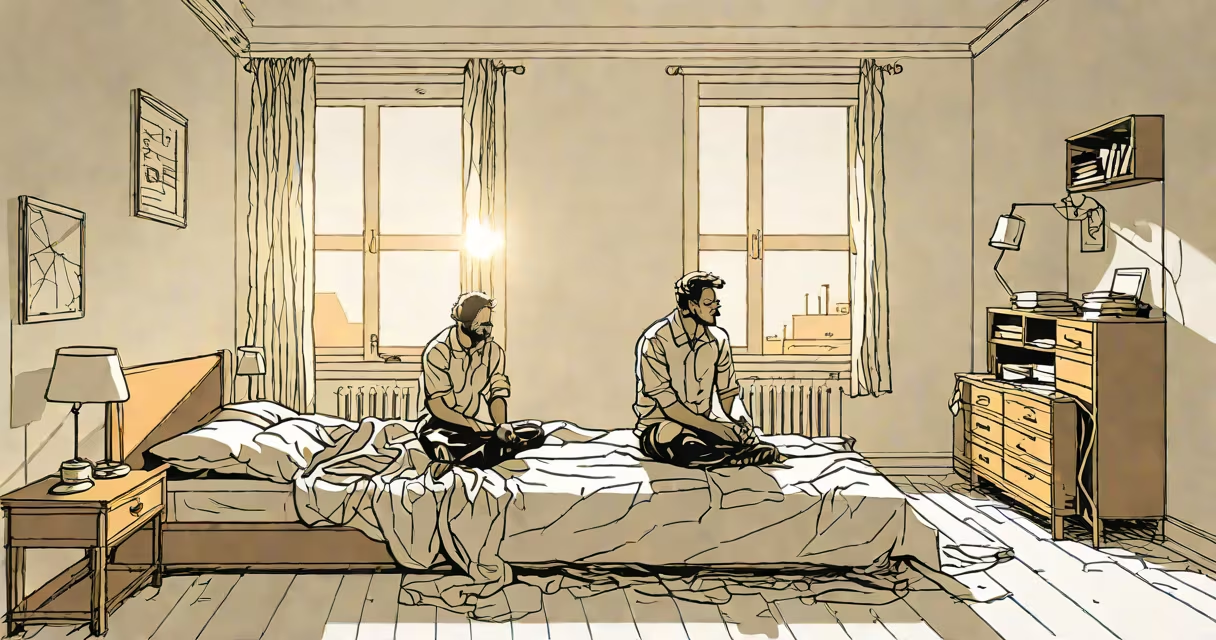
Dizziness after getting out of bed occurs when blood pressure drops suddenly upon standing, causing reduced blood flow to the brain. This condition, known as orthostatic hypotension, affects about 1 in 5 adults over 65 and can result from dehydration, medications, or neurological disorders.
When lying down, blood pools in the lower body. Standing quickly shifts blood volume toward the legs. The autonomic nervous system normally compensates by constricting blood vessels and increasing heart rate. If this response fails, dizziness follows within seconds. Symptoms include lightheadedness, blurred vision, weakness, and fainting. Episodes typically last less than a minute and resolve when sitting or lying down.
The most common cause is medication side effects. Antihypertensives, antidepressants, and sedatives impair baroreceptor reflexes. A 2021 study in Journal of the American Geriatrics Society found that 34% of older adults taking two or more antihypertensive drugs experienced orthostatic dizziness. Dehydration, prolonged bed rest, and conditions like Parkinson's disease also contribute. Rarely, dizziness signals a stroke or cardiac arrhythmia.
How It Works: The Body's Response to Standing
Upon standing, gravity pulls blood downward. Baroreceptors in the carotid arteries detect falling pressure and trigger sympathetic activation. Blood vessels narrow, and the heart rate increases to maintain cerebral perfusion. This process takes 10-30 seconds. In healthy individuals, dizziness doesn't occur. In those with impaired regulation, symptoms emerge rapidly.
Inner ear dysfunction can mimic orthostatic dizziness. The vestibular system detects head motion and spatial orientation. Disorders like benign paroxysmal positional vertigo (BPPV) cause brief spinning sensations when changing head position-such as rolling over in bed or looking up. BPPV results from displaced otoconia in the semicircular canals. A 2020 review in Neurology reported that BPPV accounts for 17% of all dizziness cases in primary care.
Distinction matters. Orthostatic dizziness begins when standing. BPPV occurs during movement, especially turning in bed. One patient described sudden vertigo when reaching for a glass while sitting up-symptoms resolved in 30 seconds. After physical therapy maneuvers, episodes ceased entirely. This case illustrates that misdiagnosis leads to ineffective treatment.
Types and Common Triggers
Orthostatic hypotension falls into three categories: primary (idiopathic), secondary (due to another condition), and drug-induced. Drug-related cases are most prevalent. Medications such as clonidine, alpha-blockers, and certain SSRIs disrupt autonomic control.
| Type | Prevalence | Common Causes | Typical Onset |
|---|---|---|---|
| Primary | ~10% | Autonomic neuropathy, aging | Gradual, over months |
| Secondary | ~25% | Parkinson's, diabetes, multiple system atrophy | Progressive, with other neurological signs |
| Drug-induced | ~65% | Antihypertensives, diuretics, antidepressants | Within hours to days of dose change |
Non-orthostatic causes include vestibular neuritis, migrainous vertigo, and anxiety-related dizziness. Vestibular neuritis presents with sudden, severe vertigo lasting days, often with nausea. Migrainous vertigo involves recurrent episodes with aura or headache history. Anxiety-related dizziness lacks objective findings and may persist despite normal tests.
When to Seek Medical Evaluation
Seek immediate care if dizziness is accompanied by chest pain, shortness of breath, slurred speech, or limb weakness-signs of stroke or heart attack. Also consult a doctor if episodes recur weekly or interfere with daily activities.
A 72-year-old man reported dizziness every morning for six weeks. He took lisinopril and hydrochlorothiazide. His standing blood pressure dropped from 130/80 mmHg to 100/60 mmHg. After reducing the diuretic dose, symptoms resolved. This case shows that medication adjustment can reverse symptoms.
Testing includes a tilt-table test, which measures blood pressure and heart rate changes during simulated standing. A 2019 guideline from the American Academy of Neurology recommends this test for patients with unexplained orthostatic dizziness. For suspected BPPV, the Dix-Hallpike maneuver confirms diagnosis. Treatment involves repositioning exercises like the Epley maneuver, effective in 80% of cases.
Common Misconceptions and Corrections
Many assume dizziness after rising is normal with aging. While incidence increases, it is not inevitable. A 2022 study in BMJ Open found that 41% of adults aged 65-75 reported orthostatic dizziness, yet only 23% had consulted a physician. This gap highlights underreporting and undertreatment.
Another misconception: "I feel dizzy because I'm dehydrated." While dehydration contributes, it rarely causes isolated dizziness upon standing. Low fluid intake lowers blood volume, but the body usually adapts. True orthostatic hypotension involves failed autonomic compensation, not just low volume.
I once observed a patient who stood up slowly and still felt faint. Initial assumption was dehydration. But blood pressure remained stable. Further testing revealed a rare form of autonomic failure. This case underscores that symptom patterns matter more than assumptions.