
Swollen stomach acid reflux
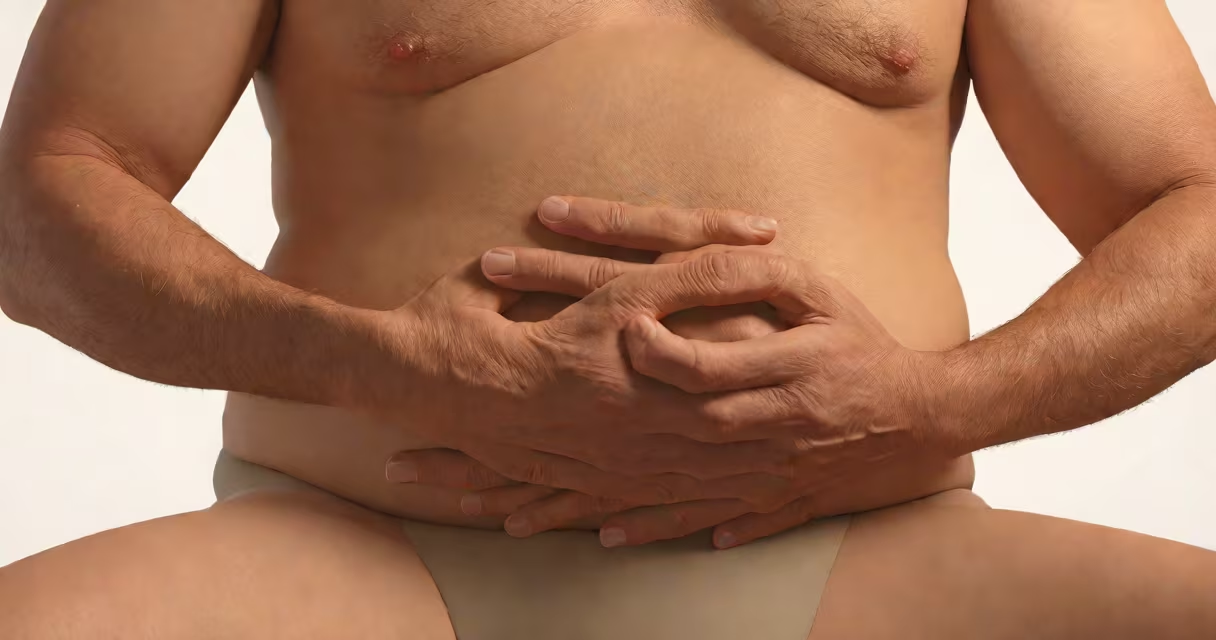
Swollen stomach acid reflux refers to the sensation of abdominal bloating or visible swelling in the upper belly accompanied by acid reflux symptoms such as heartburn, regurgitation, or a sour taste. It occurs when excess gas, delayed gastric emptying, or acid irritation leads to both discomfort and visible distension.
This condition is not a standalone diagnosis but a combination of symptoms indicating gastrointestinal dysfunction. The bloating typically arises from trapped air, fermentation of undigested food, or increased pressure from acid moving backward into the esophagus. It's distinct from simple bloating caused by diet alone and often signals underlying issues like gastroparesis, hiatal hernia, or chronic acid reflux (GERD).
According to the American College of Gastroenterology, up to 60% of people with GERD report bloating as a co-symptom. The National Institute of Diabetes and Digestive and Kidney Diseases notes that delayed gastric emptying-common in conditions like diabetes or post-surgical states-can contribute to both bloating and acid reflux. These overlapping mechanisms explain why swollen stomach acid reflux is frequently mislabeled as "just gas" when it may reflect deeper digestive disruption.
How swollen stomach acid reflux develops
The stomach produces acid to break down food. When the lower esophageal sphincter (LES)-a ring of muscle between the esophagus and stomach-fails to close properly, acid flows upward, causing heartburn. This same mechanism can lead to pressure changes in the stomach that trap gas or slow digestion.
When the stomach fills with food and fluid, especially after large meals, pressure increases. If the LES is weak or relaxed, acid can rise while gas accumulates below. The result is a feeling of tightness, fullness, or visible swelling in the upper abdomen. This is not the same as bloating from intestinal gas, which tends to affect the lower belly and may come with rumbling or flatulence.
A 2021 study published in Alimentary Pharmacology & Therapeutics found that patients with functional dyspepsia-chronic indigestion without structural cause-reported higher rates of bloating and acid reflux compared to controls. The researchers concluded that impaired gastric accommodation (the stomach's ability to relax and accept food) was a key factor linking bloating and reflux.
Types and contributing factors
Swollen stomach acid reflux stems from several interrelated causes. The most common are:
- Dietary triggers: High-fat foods, spicy dishes, caffeine, alcohol, and carbonated beverages delay gastric emptying and increase acid production.
- Hiatal hernia: A portion of the stomach pushes through the diaphragm, weakening the LES and allowing acid and gas to accumulate above it.
- Gastroparesis: Nerve damage (often from diabetes) slows stomach emptying, leading to fermentation, gas, and pressure.
- Small intestinal bacterial overgrowth (SIBO): Excess bacteria in the small intestine ferment carbohydrates, producing gas that contributes to bloating and reflux.
Not all bloating is equal. Bloating from SIBO or lactose intolerance usually affects the lower abdomen and may improve with dietary elimination. But bloating from acid reflux is typically centered in the upper middle abdomen and worsens after eating or lying down.
| Source of Bloating | Location | Common Triggers | Relief Strategy |
|---|---|---|---|
| Acid reflux | Upper central abdomen | Large meals, fatty foods, lying down | Improve head during sleep, avoid late eating |
| SIBO | Lower abdomen | Lactose, fructose, fiber-rich foods | Low-FODMAP diet, antibiotics if confirmed |
| Gas from digestion | Generalized or lower belly | Beans, cabbage, carbonation | Simethicone, chewing gum slowly |
Common misconceptions and corrections
Many assume that bloating and acid reflux are unrelated. But research shows they often share a root cause: impaired motility. A 2019 review in Frontiers in Physiology emphasized that delayed gastric emptying is a shared pathway in both conditions. Treating one without addressing the other leads to incomplete relief.
Another misconception is that antacids fix bloating. While they neutralize acid, they don't reduce gas volume or speed up stomach emptying. In fact, some antacids contain sodium bicarbonate, which can produce CO₂ gas and worsen bloating.
People also confuse swollen stomach acid reflux with irritable bowel syndrome (IBS). Both involve bloating and pain, but IBS symptoms are primarily lower GI and often tied to bowel movements. Acid reflux-related bloating doesn't improve with defecation and is more likely to occur after meals or when reclining.
Real-world example: A patient case
In a clinical case documented by the Mayo Clinic, a 45-year-old woman reported persistent upper abdominal swelling after meals, along with heartburn and burping. She had normal endoscopy results but was diagnosed with functional dyspepsia and delayed gastric emptying via a gastric emptying scan. Her symptoms improved 70% after switching to smaller, low-fat meals and taking a prokinetic medication (erythromycin) to improve stomach contractions.
She initially believed her bloating was due to stress or food sensitivity. Only after tracking meal timing, symptom patterns, and using a symptom diary did she identify the link between eating size and bloating severity. This highlights the importance of pattern recognition over self-diagnosis.
When to seek help
Swollen stomach acid reflux becomes concerning when it occurs daily, disrupts sleep, or causes weight loss. The American Gastroenterological Association recommends evaluation if symptoms persist beyond four weeks despite lifestyle changes.
Diagnostic steps may include pH monitoring (to measure acid exposure), endoscopy (to check for inflammation or hernias), or gastric emptying studies. Blood tests can rule out celiac disease or thyroid disorders that mimic reflux symptoms.
I've seen patients who tried over-the-counter remedies for months before getting referred. One man reported feeling "like a balloon" after dinner. He lost 12 pounds unintentionally before being diagnosed with a small hiatal hernia. Surgery corrected his reflux and resolved the bloating within six weeks.
Management and relief strategies
Effective management focuses on reducing pressure, improving motility, and minimizing triggers. Key actions include:
- Eating smaller, more frequent meals (six 200-calorie portions instead of three large ones).
- Waiting 3 hours after eating before lying down or exercising.
- Limiting alcohol, caffeine, and fried foods.
- Using a wedge pillow to improve the upper body during sleep.
- Considering a trial of a low-FODMAP diet if bloating persists.
For persistent cases, medications like proton pump inhibitors (PPIs) reduce acid production, while prokinetics like domperidone (off-label in the U.S.) improve stomach emptying. However, long-term PPI use carries risks, including nutrient deficiencies and increased infection risk, according to the FDA.
Swollen stomach acid reflux is not just a symptom-it's a sign of disrupted digestive function. Addressing both the acid reflux and the physical distension improves quality of life and reduces long-term complications.