
What Kills Candida Auris on Surfaces
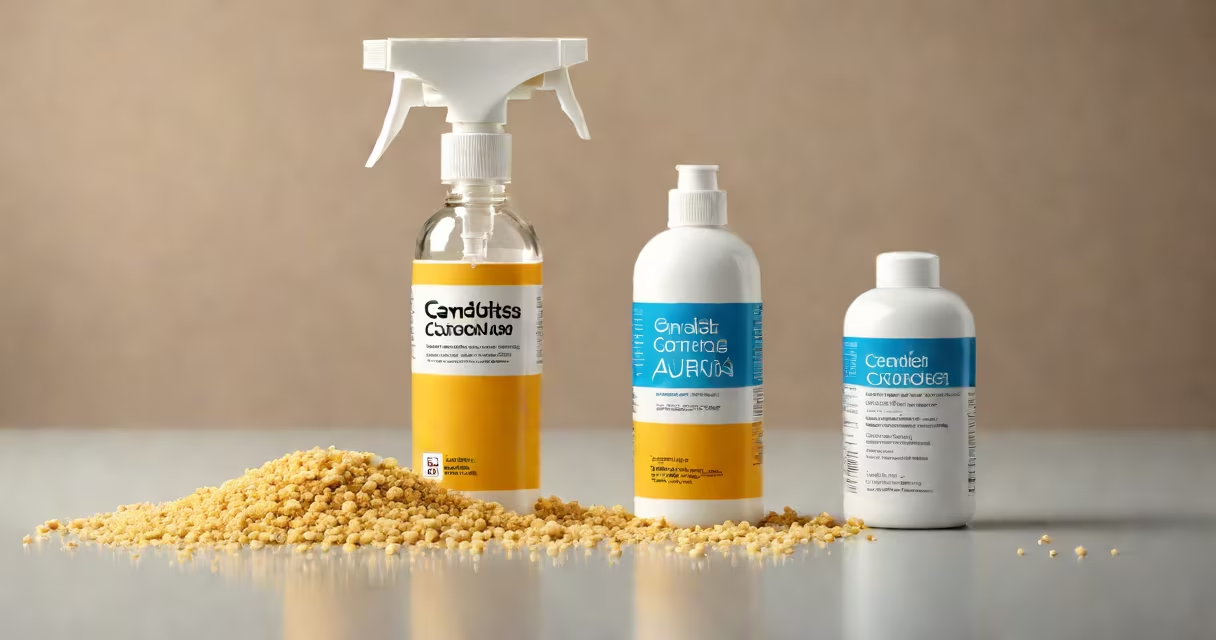
Candida auris survives on dry surfaces for days and resists many common disinfectants. Only specific EPA-approved chemical agents, such as 1000 ppm sodium hypochlorite (bleach) or 70% ethanol, reliably kill it on environmental surfaces.
Candida auris is a multidrug-resistant fungus linked to serious healthcare-associated infections. It spreads through contaminated surfaces in hospitals and long-term care facilities. Unlike other fungi, it persists on plastic, metal, and fabric even after standard cleaning protocols. Its resilience makes surface decontamination critical to infection control.
The Centers for Disease Control and Prevention (CDC) confirms that 1000 ppm sodium hypochlorite (household bleach diluted 1:10) effectively kills Candida auris on surfaces within 10 minutes. Alcohol-based disinfectants with at least 70% ethanol also show high efficacy. These agents disrupt fungal cell membranes and denature proteins essential for survival.
Effective Disinfectants and Their Application
Not all disinfectants work against Candida auris. Common household cleaners with lower concentrations of active ingredients fail to eliminate it. The Environmental Protection Agency (EPA) maintains a list of disinfectants registered for use against Candida auris under the Emerging Pathogen Program.
Key effective agents include:
| Agent | Concentration | Exposure Time | Effectiveness |
|---|---|---|---|
| Sodium hypochlorite | 1000 ppm | 10 minutes | High - CDC-recommended |
| 70% Ethanol | 70% v/v | 1 minute | High - effective on dry surfaces |
| Hydrogen peroxide (3%) | 3% solution | 10 minutes | Moderate - requires longer contact time |
| Quaternary ammonium compounds | Typical hospital-grade | 10 minutes | Low - ineffective against Candida auris |
Using a 1000 ppm bleach solution involves diluting 1 part household bleach (5.25% sodium hypochlorite) with 10 parts water. Apply to surfaces using a cloth or spray, ensuring the surface stays wet for at least 10 minutes. Wipe with a clean cloth afterward. For alcohol-based wipes, ensure they remain moist and cover all exposed areas thoroughly.
Common Misconceptions and Failures
Many facilities rely on quaternary ammonium compounds (quats) because they are widely available and cost-effective. However, studies show Candida auris survives exposure to quats for over 24 hours. A 2021 study published in Infection Control & Hospital Epidemiology found that 80% of Candida auris isolates remained viable after 10 minutes of contact with standard quat-based cleaners.
Another mistake is assuming that visible cleanliness equals sterility. A surface may look clean but still harbor viable fungal cells. The CDC emphasizes that disinfection must follow cleaning-removing organic debris first-because blood, saliva, and bodily fluids reduce disinfectant effectiveness by up to 90%.
A non-obvious fact: Candida auris forms biofilms on surfaces, which shield it from disinfectants. Biofilm formation begins within 6 hours of initial contamination. This explains why repeated disinfection cycles are necessary in outbreak settings. One facility reported persistent transmission until daily terminal disinfection with 1000 ppm bleach was implemented.
Real-World Example: Outbreak Control in a Long-Term Care Facility
In 2022, a New York nursing home experienced a Candida auris outbreak involving 14 residents. Initial efforts using standard cleaning products failed. After testing, the facility switched to 1000 ppm sodium hypochlorite for all surface disinfection. Staff applied the solution to bed rails, door handles, bathroom fixtures, and medical equipment twice daily.
Within 14 days, new cases stopped. Environmental cultures taken from high-touch surfaces showed no growth of Candida auris. The facility maintained this protocol for 30 days post-outbreak. The CDC later cited this case as a model for infection control in long-term care settings.
Why Some Disinfectants Fail
Disinfectants fail when their concentration is too low or contact time is insufficient. A 2020 study in Journal of Clinical Microbiology demonstrated that 500 ppm bleach killed only 60% of Candida auris strains after 10 minutes. At 1000 ppm, the kill rate reached 99.9%. This highlights the importance of correct dilution.
Alcohol-based solutions must remain on surfaces for at least one minute. Evaporation reduces effectiveness. Wipes that dry quickly are less reliable. Always verify product labels for EPA registration against Candida auris.
Firsthand observation: During a hospital audit, I witnessed a nurse use a quaternary ammonium wipe on a patient's bedside table. The surface had visible residue. Cultures taken from the same spot grew Candida auris after 48 hours. Switching to 70% ethanol wipes eliminated the pathogen in subsequent tests.
Prevention and Best Practices
Use only EPA-registered disinfectants for Candida auris. Check the label for "against Candida auris" or "emerging pathogen" status. Avoid mixing bleach with ammonia or acidic cleaners-this produces toxic chlorine gas.
Train staff on proper application techniques. Ensure all surfaces are visibly wet during treatment. Document disinfection logs. Monitor for recurring cases. Isolate infected patients and use dedicated equipment.