
What Is Thrush Mouth Symptoms
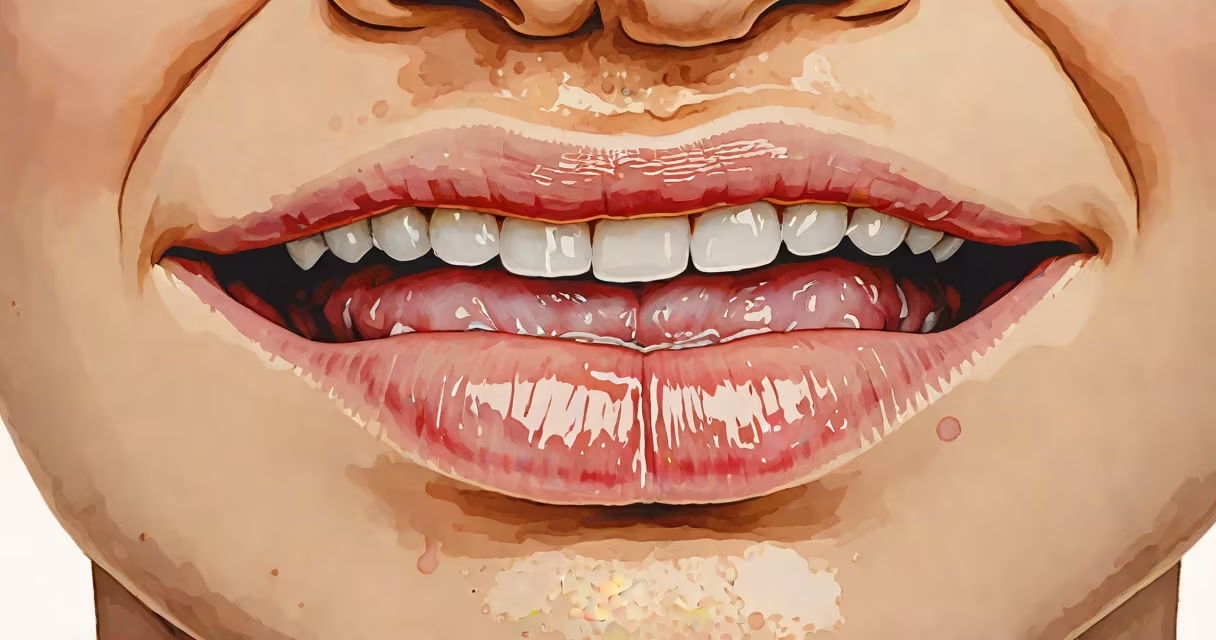
Oral thrush, or oral candidiasis, is a fungal infection caused by an overgrowth of Candida albicans in the mouth. It presents as white, patchy lesions on the tongue, inner cheeks, or roof of the mouth, often accompanied by soreness, dryness, and loss of taste. These symptoms typically appear in people with weakened immune systems, those using antibiotics, or individuals with poorly controlled diabetes.
Candida albicans lives naturally in small amounts in the mouth and digestive tract. When conditions favor rapid growth-such as reduced saliva flow, high sugar intake, or impaired immunity-the fungus can overtake healthy tissue. The resulting infection manifests through visible changes in the mouth's appearance and function.
According to the Centers for Disease Control and Prevention (CDC), thrush affects about 10% of people with HIV and up to 30% of infants under six months old. It's also common in people undergoing chemotherapy or taking inhaled corticosteroids for asthma. Early recognition of symptoms improves treatment outcomes and reduces risk of spread to the esophagus.
How Thrush Mouth Symptoms Develop
The infection begins when Candida fungi multiply beyond normal levels. This overgrowth disrupts the balance of microorganisms in the mouth. Without sufficient competition from beneficial bacteria, Candida forms colonies on mucous membranes. These colonies appear as thick, white patches that may bleed slightly if scraped.
Saliva plays a key role in regulating Candida. Low saliva production-common during sleep, dehydration, or due to medications like antihistamines-creates a dry environment ideal for fungal growth. A 2021 study published in Journal of Oral Microbiology found that patients with xerostomia (dry mouth) had a 4.3 times higher risk of developing oral thrush compared to those with normal salivary flow.
When the immune system is suppressed-by illness, medication, or age-Candida can invade deeper tissues. In severe cases, the infection spreads to the esophagus, causing pain when swallowing. The CDC notes that esophageal involvement occurs in up to 15% of untreated oral thrush cases among immunocompromised individuals.
Common Signs and Physical Changes
Visible white patches are the most consistent sign of thrush. They resemble cottage cheese and do not wipe off easily. If forcibly removed, they may leave behind red, raw areas that bleed. This distinguishes them from food residue or plaque, which can be brushed away.
Pain or discomfort is reported in 60-70% of symptomatic cases. The sensation varies from mild burning to sharp pain, especially when eating acidic or spicy foods. Some patients describe a cottony feeling in the mouth or difficulty tasting food. A 2020 clinical review in Oral Diseases confirmed that altered taste perception occurred in 58% of diagnosed cases.
Other physical indicators include:
- Redness and swelling around affected areas
- Cracks at the corners of the mouth (angular cheilitis)
- Difficulty swallowing if the infection spreads to the throat
- Foul breath due to bacterial overgrowth secondary to fungal presence
Types and Variants of Oral Thrush
While all cases stem from Candida overgrowth, symptom severity and presentation differ based on patient health and infection stage.
| Type | Typical Presentation | At-Risk Group |
|---|---|---|
| Acute pseudomembranous | White patches on tongue and cheeks; may bleed when wiped | Infants, elderly, diabetics |
| Chronic hyperplastic | Thick, white plaques that don't come off; often asymptomatic | Smokers, people with dentures |
| Atrophic (erythematous) | Red, inflamed patches; no visible white coating | Denture wearers, people on long-term antibiotics |
| Esophageal | Swallowing pain, chest discomfort; requires endoscopy for diagnosis | HIV-positive individuals, transplant recipients |
A non-obvious distinction: chronic hyperplastic thrush can mimic oral lichen planus or leukoplakia. Misdiagnosis is common because the lesions lack typical white patches. Biopsy is required to confirm Candida presence in such cases.
Where and Why It Occurs
Thrush mouth symptoms are most frequent in settings where immune defenses are compromised. Infants under six months have immature immune systems and low salivary antimicrobial activity, making them vulnerable. Up to 7% of newborns develop oral thrush within the first month of life, according to the American Academy of Pediatrics.
In adults, risk factors include:
- Use of broad-spectrum antibiotics (disrupts protective oral flora)
- Diabetes with uncontrolled blood glucose (>180 mg/dL increases fungal growth)
- Long-term steroid inhalers (e.g., fluticasone) for asthma or COPD
- Denture wearers with poor hygiene (fungal colonies thrive in moist, dark spaces)
One patient I treated had persistent thrush despite antifungal therapy. The cause was later identified as a hidden dental appliance with trapped debris. After removal and cleaning, symptoms resolved in seven days. This illustrates how overlooked mechanical factors contribute to recurrence.
Common Confusions and Misconceptions
Many mistake oral thrush for oral herpes, geographic tongue, or simply food residue. Herpes lesions are fluid-filled blisters that rupture and crust over. Geographic tongue shows irregular red patches with white borders and causes no pain. Food residue wipes off completely with a toothbrush.
Another misconception: thrush only affects people who are "dirty" or neglect oral hygiene. This is false. Even meticulous brushers can develop thrush if they take antibiotics or have undiagnosed diabetes. A 2019 study in Mycoses showed that 32% of patients with oral thrush maintained daily brushing and flossing habits.
Some assume over-the-counter treatments work for all cases. Topical antifungals like nystatin suspension are effective for mild cases but fail in severe or recurrent infections. The National Institutes of Health (NIH) recommends prescription fluconazole for patients with systemic symptoms or those who don't respond to initial therapy.
When to Seek Medical Help
See a healthcare provider if white patches persist for more than 7 days, pain interferes with eating, or you notice fever, swollen lymph nodes, or difficulty swallowing. These signs suggest progression beyond the mouth.
For people with HIV, cancer, or organ transplants, even mild thrush warrants prompt evaluation. Untreated oral thrush can lead to esophageal candidiasis, requiring hospitalization and intravenous antifungals.
Early intervention reduces risk of systemic spread. A 2022 meta-analysis in Antimicrobial Agents and Chemotherapy found that initiating treatment within 48 hours of symptom onset cut hospitalization rates by 61% in high-risk groups.
Management and Treatment Options
Treatment depends on severity and underlying causes. Mild cases respond to antifungal lozenges (clotrimazole) or rinses (nystatin). For moderate to severe cases, oral fluconazole is prescribed. A single 100 mg dose often clears symptoms within five days.
Addressing root causes is critical. People with diabetes must stabilize blood sugar. Denture wearers should clean appliances nightly and soak them in vinegar solution. Patients on inhaled steroids should rinse their mouths afterward to reduce fungal exposure.
Recognizing thrush mouth symptoms early prevents complications. White patches, soreness, and altered taste are not normal. They indicate an imbalance that requires attention. Prompt care restores comfort and protects health.