
What Is Pustular Psoriasis
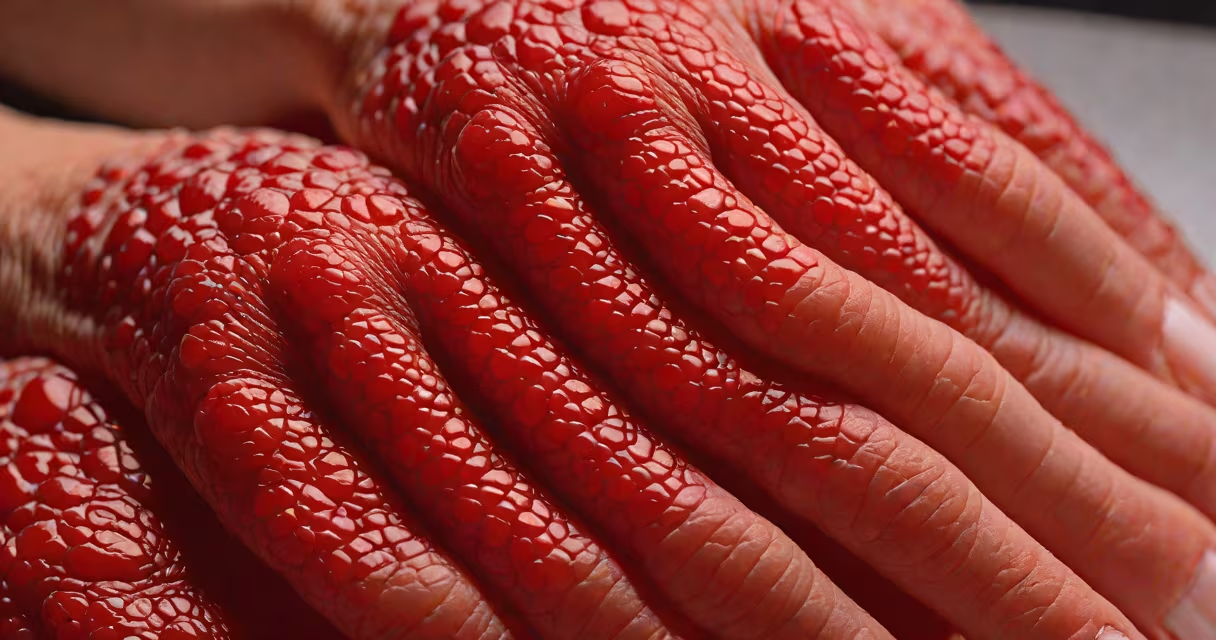
Pustular psoriasis is a rare, severe form of psoriasis characterized by the rapid development of pus-filled blisters (pustules) on red, inflamed skin. Unlike common plaque psoriasis, these pustules contain no infectious agents-they are sterile. The condition often appears suddenly and can affect large areas of the body or remain confined to specific regions like the hands and feet.
It is classified as an autoimmune disorder where the immune system mistakenly attacks healthy skin cells, triggering excessive skin cell growth and inflammation. The disease can progress rapidly and may lead to systemic symptoms such as fever, chills, fatigue, and dehydration. Early diagnosis and treatment are critical to prevent life-threatening complications.
According to the American Academy of Dermatology Association (AAD), pustular psoriasis accounts for less than 5% of all psoriasis cases. It typically emerges in adults between 30 and 60 years old, though onset can occur at any age. The condition is not contagious and cannot be spread through contact.
How It Works: Immune System Overdrive
The underlying mechanism involves dysregulation of the immune system, particularly overactive neutrophils-white blood cells that normally fight infection. In pustular psoriasis, these cells accumulate in the skin's upper layers, leading to the formation of pustules. This process is driven by cytokines like IL-36, which promote inflammation and abnormal keratinocyte proliferation.
Genetic factors play a role. Mutations in the CARD14 gene have been linked to early-onset generalized pustular psoriasis (GPP). A 2021 study published in Nature Communications identified that individuals with certain CARD14 variants are more likely to develop GPP, especially under triggers like stress, infections, or medication changes.
Triggers vary widely. Common ones include abrupt withdrawal of systemic steroids, pregnancy (especially in a condition called impetigo herpetiformis), infections, emotional stress, and exposure to certain drugs like lithium or beta-blockers. Identifying and avoiding triggers is essential for managing flare-ups.
Types and Forms of Pustular Psoriasis
Pustular psoriasis is divided into two primary categories based on location and severity: generalized and localized. Generalized pustular psoriasis (GPP) affects large areas of the body and is more dangerous. Localized forms are confined to specific sites.
| Type | Location | Onset | Severity | Frequency |
|---|---|---|---|---|
| Generalized Pustular Psoriasis (GPP) | Whole body, especially trunk and limbs | Sudden, often within hours | High - can be fatal if untreated | Rare, ~1 in 100,000 people annually |
| Palmar-Plantar Pustulosis (PPP) | Palms of hands, soles of feet | Gradual, over weeks | Moderate - chronic, painful | More common than GPP, affects ~1 in 10,000 |
| Acrodermatitis Continua of Hallopeau (ACH) | Fingertips, toes, nail beds | Chronic, progressive | Severe - leads to bone erosion | Extremely rare, fewer than 100 documented cases |
Each form presents distinct challenges. GPP can cause significant fluid loss through the skin, leading to electrolyte imbalances and sepsis-like symptoms. PPP causes thick, painful crusts that interfere with grip and walking. ACH results in permanent nail damage and joint involvement.
A key distinction often missed is that pustules in pustular psoriasis are sterile-meaning they contain no bacteria or viruses. This differentiates them from conditions like impetigo or folliculitis, where infection drives pus formation. Misdiagnosis can delay proper treatment and worsen outcomes.
Where and Why It's Used in Clinical Practice
Pustular psoriasis is diagnosed through clinical evaluation, skin biopsy, and sometimes genetic testing. Dermatologists rely on visual patterns: widespread redness with uniform pustules that dry and scale over days. Biopsies show neutrophil infiltration in the epidermis and absence of microorganisms.
Treatment focuses on suppressing the immune response. Systemic therapies such as biologics targeting IL-36 (like spesolimab) are now approved for GPP. These drugs reduce pustule formation and inflammation within days. Oral retinoids and cyclosporine are used during acute flares but carry risks of liver toxicity and hypertension.
One non-obvious fact: pustular psoriasis can mimic other diseases. For example, GPP resembles toxic epidermal necrolysis (TEN), a drug reaction with eosinophilia and systemic symptoms. Both present with widespread skin detachment, but TEN involves deeper tissue damage and higher mortality. Distinguishing them is important-using skin biopsy and medication history-because treatments differ drastically.
Common Confusions and Misconceptions
Many assume pustular psoriasis is caused by poor hygiene or infection. This is false. The condition stems from immune dysfunction, not germs. Pustules are sterile, and patients are not contagious.
Another misconception is that it only affects older adults. While GPP peaks between ages 30-60, PPP and ACH can appear in younger individuals. I once saw a 22-year-old woman with PPP who had been misdiagnosed with fungal infection for two years. Her condition improved only after a dermatologist confirmed the diagnosis via biopsy and initiated targeted therapy.
Some confuse it with psoriatic arthritis. While both are autoimmune, psoriatic arthritis involves joint pain and swelling, not skin pustules. They can coexist, but they require separate management strategies.
Real-World Example: A Case of Generalized Pustular Psoriasis
In 2022, a 45-year-old man presented to the emergency department with high fever (39.4°C), widespread erythema, and hundreds of pustules covering his torso and limbs. He reported stopping oral prednisone abruptly after six weeks of treatment for plaque psoriasis. Within 24 hours, he developed hypotension and elevated creatinine levels due to fluid loss.
Diagnosis was confirmed via skin biopsy showing subcorneal pustules and neutrophilic infiltration. He was admitted to the ICU and treated with IV fluids, antibiotics (to rule out secondary infection), and spesolimab. His pustules resolved within five days, and he stabilized after seven days. He later received maintenance therapy with ustekinumab to prevent recurrence.
This case illustrates why prompt recognition matters. Delayed treatment increases risk of sepsis, organ failure, and death. The National Psoriasis Foundation reports a 10-15% mortality rate in untreated GPP episodes.
When to Seek Medical Help
If you develop sudden, widespread pustules with fever, chills, or weakness, seek immediate care. Do not wait for scaling or crusting to appear. Early intervention reduces hospitalization duration and improves survival rates.
Pustular psoriasis is not a minor skin issue. It is a serious autoimmune condition requiring specialized care. Understanding its signs, triggers, and treatment options can save lives.