
What Is Facial Dandruff
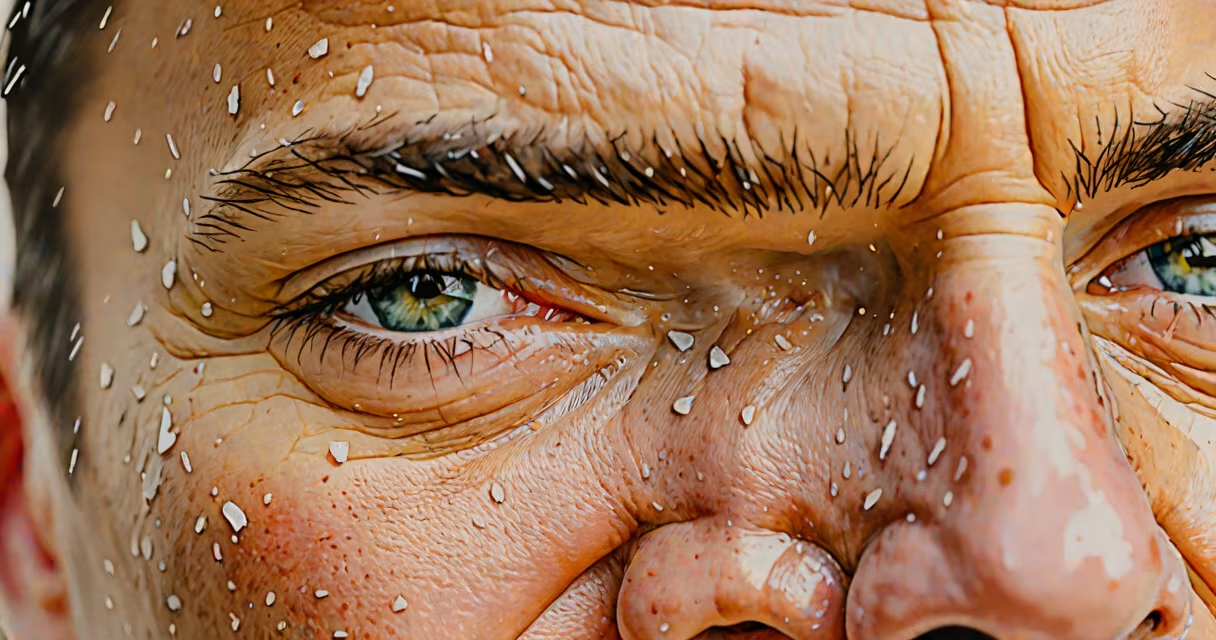
Facial dandruff refers to visible, dry or oily flakes on the face, especially around the eyebrows, nose, and forehead. It results from seborrheic dermatitis, a common inflammatory skin condition triggered by excess oil production and Malassezia yeast overgrowth.
Unlike scalp dandruff, facial dandruff often appears as greasy, yellowish scales rather than dry white flakes. It may itch, burn, or cause redness. The condition affects about 3% to 5% of adults globally, according to the American Academy of Dermatology.
It's not just a cosmetic issue. Left untreated, facial dandruff can lead to persistent irritation and secondary infections. Early recognition and targeted care reduce flare-ups and improve quality of life.
How Facial Dandruff Develops
Seborrheic dermatitis occurs when the skin's natural oil glands produce too much sebum. This excess oil creates a favorable environment for Malassezia yeast, which normally lives harmlessly on the skin. When it overgrows, it triggers inflammation and accelerated skin cell turnover.
As dead skin cells shed faster than normal, they clump together and form visible flakes. These flakes appear most frequently in areas rich in sebaceous glands: the T-zone (forehead, nose, chin), behind the ears, and along the hairline.
A 2021 study in the Journal of Clinical and Aesthetic Dermatology confirmed that Malassezia species are present in 90% of seborrheic dermatitis cases. The yeast metabolizes sebum into irritating fatty acids, worsening redness and flaking.
Types and Triggers
Facial dandruff falls under the broader category of seborrheic dermatitis. It's not a single condition but a spectrum of severity and presentation. The most common forms include:
| Type | Appearance | Common Locations | Key Trigger |
|---|---|---|---|
| Acute | Red, greasy, yellowish scales | Forehead, nasolabial folds | Stress, cold weather |
| Chronic | Dry, white, powdery flakes | Under eyes, sideburns | Long-term use of steroid creams |
| Infantile | Crusty, honey-colored crusts | Scalp, eyebrows | Maternal hormones post-birth |
Environmental factors play a major role. Cold, dry winter air increases skin barrier disruption. Harsh soaps and alcohol-based toners strip natural oils, prompting the skin to overcompensate with more sebum.
Stress and sleep deprivation also exacerbate symptoms. A 2019 study in *Dermatologic Therapy* found that patients reporting high stress levels had twice the flare-up frequency compared to those with low stress scores.
Common Misconceptions
Many people mistake facial dandruff for acne, eczema, or rosacea. Acne involves clogged pores and pimples, while facial dandruff lacks comedones. Eczema typically presents with intense itching and cracked skin, not oily flakes.
Some assume facial dandruff is due to poor hygiene. But overwashing with harsh cleansers worsens the condition. The skin barrier becomes compromised, leading to more inflammation and flaking.
Another error: using heavy moisturizers. These trap yeast and sebum, fueling further flare-ups. Dermatologists recommend non-comedogenic, fragrance-free products designed for sensitive or oily skin.
Treatment and Management
Effective treatment targets both yeast overgrowth and inflammation. Topical antifungals like ketoconazole 2% shampoo or cream reduce Malassezia populations. Anti-inflammatory agents such as low-dose corticosteroids (e.g., hydrocortisone 1%) relieve redness and itching.
For maintenance, use a gentle cleanser containing salicylic acid or sulfur. A 2020 clinical trial showed that daily use of a 0.5% salicylic acid wash reduced flaking by 68% over six weeks.
Here's a real-world example: Sarah, a 32-year-old graphic designer, experienced chronic flaking along her nose and eyebrows. She'd tried multiple facial scrubs and exfoliating serums. After consulting a dermatologist, she switched to a ketoconazole shampoo used as a face mask twice weekly and applied a 1% hydrocortisone cream to inflamed areas. Within four weeks, flaking decreased by 80%.
Consistency matters. Flare-ups return quickly if treatment stops. Maintenance routines should continue even during remission periods.
When to See a Doctor
Seek medical advice if flakes spread beyond the T-zone, cause pain, or don't respond to over-the-counter treatments. Persistent facial dandruff may indicate underlying conditions like psoriasis or lupus.
People with HIV or Parkinson's disease have higher rates of seborrheic dermatitis. If you have a chronic illness, discuss skin changes with your provider.
Facial dandruff is not just a surface problem. It reflects deeper skin health. Understanding the root cause prevents misdiagnosis and ineffective remedies.