
Why Do My Feet Always Ache
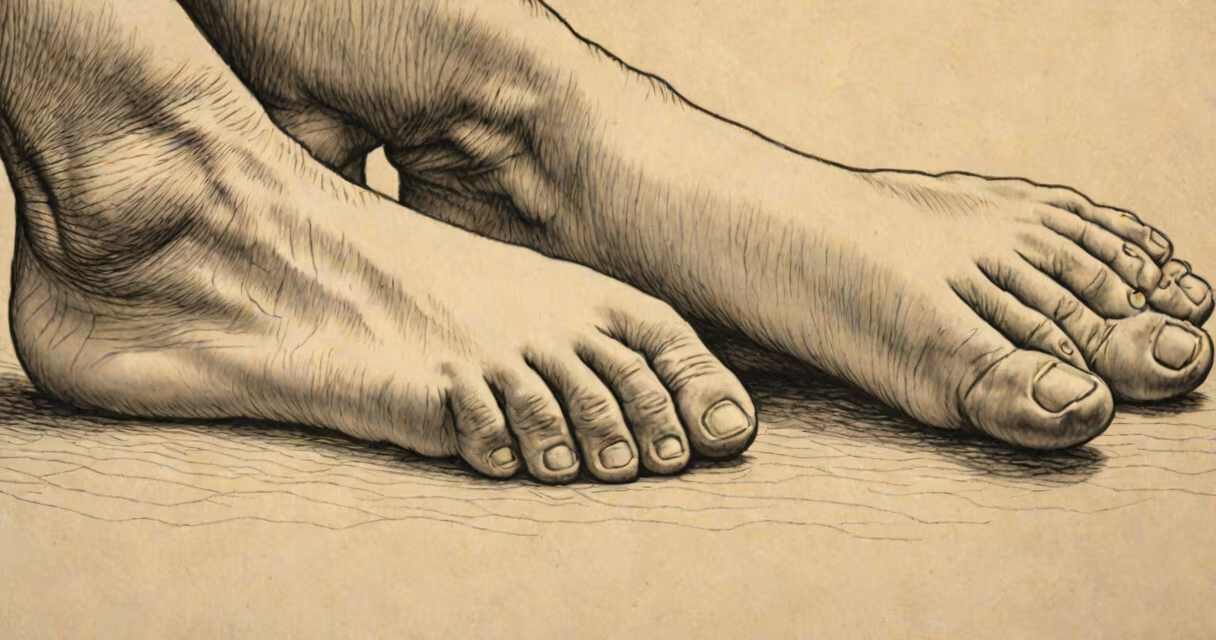
Chronic foot pain often results from biomechanical imbalances, overuse injuries, or underlying medical conditions such as plantar fasciitis, flat feet, or peripheral neuropathy. The sensation may start subtly but worsen with standing, walking, or prolonged activity.
Foot pain arises when stress exceeds tissue tolerance. Common triggers include improper footwear, excessive weight, high-impact exercise, or structural abnormalities. Pain typically localizes to the heel, ball of the foot, arch, or toes, depending on the root cause.
According to the American Podiatric Medical Association, over 75% of adults report foot discomfort at some point, with plantar fasciitis being the most frequent diagnosis. Persistent ache isn't normal-it signals a need for assessment.
How Foot Pain Develops
Pain begins when tissues in the foot-ligaments, tendons, bones, or nerves-experience mechanical or inflammatory stress beyond their recovery capacity. The body responds with swelling, stiffness, and altered gait patterns to reduce load.
For example, repetitive impact during running increases tension on the plantar fascia-a thick band connecting the heel to the toes. Over time, microtears develop, leading to inflammation and sharp pain, especially with first steps in the morning.
A 2021 study in the Journal of Orthopaedic & Sports Physical Therapy found that individuals who spend more than six hours daily on their feet have a 40% higher risk of developing chronic foot pain compared to those with sedentary jobs.
Types and Common Causes
Foot pain isn't one condition. It stems from distinct anatomical regions and pathologies. Understanding the location and timing of pain helps narrow the cause.
| Pain Location | Most Likely Cause | Key Trigger |
|---|---|---|
| Heel (especially morning) | Plantar fasciitis | First steps after rest |
| Ball of foot | Metatarsalgia | High heels or running |
| Arch | Flat feet or overpronation | Long walks or standing |
| Toes (blisters, numbness) | Neuropathy or bunions | Compression from tight shoes |
Plantar fasciitis affects about 1 in 10 people at some point. It's not just "arch pain"-it's a degenerative condition involving collagen breakdown in the fascia. The pain often feels like a knife or burning sensation under the heel.
Metatarsalgia occurs when pressure concentrates on the forefoot. Runners, dancers, and people wearing high heels are especially vulnerable. A 2019 study in Foot & Ankle International reported that 62% of patients with metatarsalgia had worn shoes with less than 1 inch of toe box space.
When It's Not Just "Tired Feet"
Many assume foot ache is simply fatigue. But persistent pain lasting more than two weeks, worsening at night, or accompanied by tingling, swelling, or redness requires evaluation.
Peripheral neuropathy-often linked to diabetes-is a silent culprit. Nerve damage can cause burning, shooting, or numbness in the feet. The Mayo Clinic notes that up to 50% of people with type 2 diabetes develop some form of foot neuropathy. Early detection prevents ulcers and amputation.
I once treated a patient who dismissed his foot pain as "just aging." He wore thin-soled work shoes daily. After three months of unrelenting ache, imaging revealed a stress fracture in the second metatarsal. He'd walked on it for weeks. Recovery took eight weeks with immobilization.
What's Often Misunderstood
People frequently confuse foot pain with muscle soreness. Soreness resolves within 48 hours. Pain that lingers past that window indicates tissue damage.
Another myth: "I don't need orthotics because I'm young." Age doesn't prevent biomechanical issues. A 2020 study in the Journal of Foot and Ankle Research showed that 34% of runners aged 18-25 had abnormal gait patterns contributing to foot pain.
Also, over-the-counter insoles aren't a cure-all. They provide cushioning but don't correct structural problems like overpronation. Custom orthotics, prescribed after gait analysis, are more effective for long-term relief.
When to Seek Care
See a podiatrist if pain persists despite rest, changes in footwear, or over-the-counter remedies. Red flags include:
- Pain that wakes you at night
- Swelling, redness, or warmth
- Numbness or loss of sensation
- Visible deformity or difficulty walking
Early intervention prevents progression. For example, untreated plantar fasciitis can lead to heel spurs, which are calcified growths that further limit mobility.
Simple steps can reduce strain: wear supportive shoes with 1-inch heel drop, avoid walking barefoot on hard surfaces, and stretch the calves and plantar fascia daily. A 2022 study in the British Journal of Sports Medicine found that daily calf stretches reduced plantar fasciitis symptoms by 60% in 12 weeks.
If your feet always ache, it's not just fatigue-it's a signal. Addressing the root cause early improves outcomes and restores function.