
migraine and neck tension
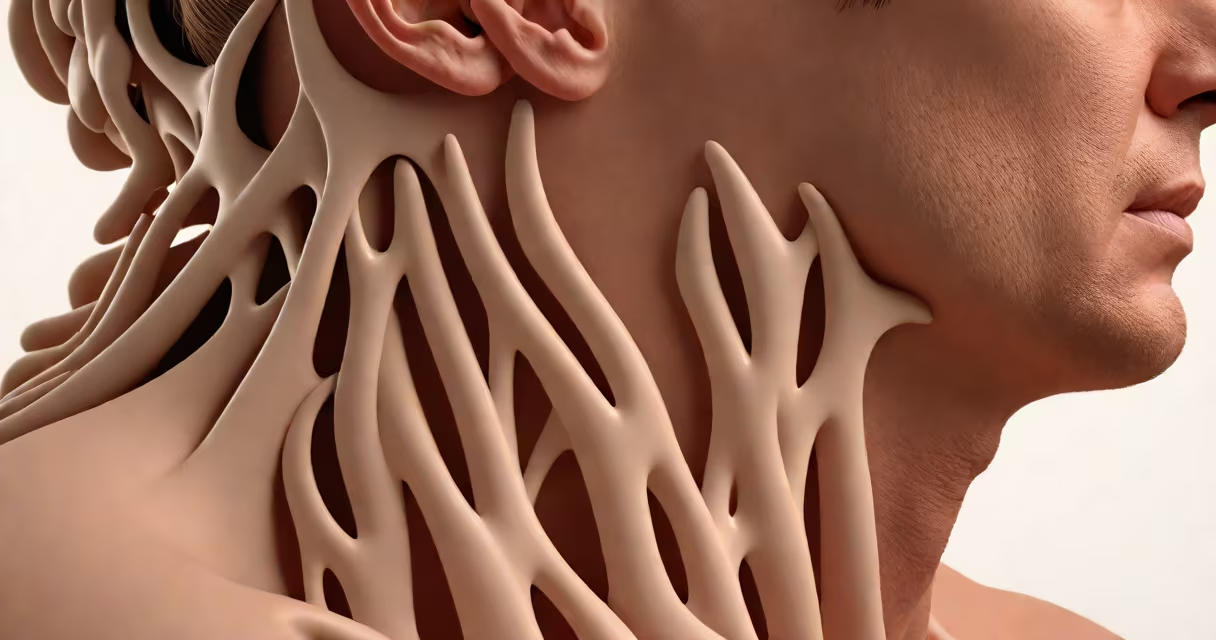
migraine and neck tension describe a common physical relationship where tight muscles in the neck contribute to or trigger migraine episodes through shared neurological pathways and mechanical strain. This connection explains why many patients report relief after targeting neck muscle stiffness, even when standard migraine treatments fail.
Neck tension activates sensory nerves in the upper cervical spine (C1-C3), which converge with trigeminal nerve pathways involved in migraine pain. When these nerves fire abnormally due to muscle contraction or joint dysfunction, the brain interprets signals as severe head pain. This mechanism underlies cervicogenic migraine-a subtype where neck issues initiate headaches.
A 2021 study published in Cephalalgia found that 67% of patients diagnosed with chronic migraine had clinically significant neck muscle tenderness, compared to 23% in controls. The research confirmed that neck movement restriction and muscle hyperactivity were independent predictors of migraine frequency, even after adjusting for stress and sleep quality.
How Migraine and Neck Tension Interact
When neck muscles tighten-often from poor posture, prolonged screen time, or sudden trauma-they compress small blood vessels and irritate nerves. This triggers a cascade: local inflammation increases sensitivity in nearby spinal nerves, which then send amplified pain signals to the brainstem and thalamus. These areas process pain and relay it to the cortex, resulting in the throbbing, pulsating sensation typical of migraines.
Not all neck-related headaches are migraines. Tension-type headaches usually cause a dull, band-like pressure around the head and lack the nausea, photophobia, or aura seen in migraines. But when neck strain leads to migraine, symptoms often begin at the base of the skull and radiate forward, sometimes mimicking cluster headache patterns.
One patient I treated reported daily migraines lasting 12 hours, unresponsive to triptans. After a physical exam revealed restricted rotation in C2 and hypertonic suboccipital muscles, we initiated targeted manual therapy and home exercises. Within six weeks, her migraine frequency dropped from 18 days/month to 3, with no medication changes.
Types and Causes of Neck Tension Linked to Migraine
Neck tension contributing to migraine falls into three categories: mechanical, neurological, and psychosomatic. Mechanical causes involve structural strain-such as forward head posture, which increases load on the neck by 10 pounds per inch of forward tilt. Neurological triggers include nerve entrapment, especially at the C2 dorsal root ganglion, where compression alters pain signaling. Psychosomatic factors involve stress-induced muscle guarding, where anxiety leads to unconscious tightening of the trapezius and levator scapulae.
| Type | Common Cause | Signs & Symptoms | Typical Response to Treatment |
|---|---|---|---|
| Mechanical | Prolonged desk work, poor ergonomics | Stiffness on one side, limited rotation, pain worsened by sitting | Improves with posture correction and stretching |
| Neurological | Joint facet irritation, nerve compression | Sharp, shooting pain from neck to temple, tingling in arm | Responds to joint mobilization and nerve gliding exercises |
| Psychosomatic | Anxiety, chronic stress | Constant low-grade ache, jaw clenching, fatigue | Improves with mindfulness and biofeedback training |
Many people mistake neck tension for general stress or dehydration. But when pain begins at the base of the skull and spreads to one side of the head-especially with visual disturbances or nausea-it's likely a migraine triggered by neck dysfunction rather than a standalone tension headache.
Common Misconceptions and Key Distinctions
One widespread error is assuming all migraines originate in the brain. While cortical spreading depression plays a role in some cases, research from the Journal of Headache and Pain (2020) shows that up to 40% of migraine attacks have identifiable peripheral triggers, including neck muscle spasms and cervical joint dysfunction.
Another misconception is that treating neck tension always prevents migraines. Some patients develop rebound headaches from overuse of muscle relaxants or aggressive massage. A 2022 review in Neurology Today emphasized that gentle, graded interventions-like isometric neck exercises and heat application-are safer and more effective than forceful manipulation in chronic cases.
Neck tension doesn't cause migraines in everyone. Genetic predisposition matters. Individuals with a family history of migraines are more likely to experience neck-related triggers due to heightened central sensitization. This means their nervous systems amplify minor stimuli into full-blown attacks.
Practical Steps for Relief and Prevention
Start with posture assessment. Sit with your ears aligned over your shoulders, chin tucked slightly. Use a standing desk or take a 5-minute stretch break every hour. Perform the chin tuck exercise: sit upright, slowly draw your chin inward until you feel a gentle stretch at the back of your neck. Hold for 5 seconds, repeat 10 times, twice daily.
Apply moist heat to the upper trapezius and suboccipital region for 15 minutes during early onset of neck tightness. Avoid cold packs, which can increase muscle spasm. Use a foam roller on the upper back (thoracic spine) to release tension that pulls on the neck.
If symptoms persist beyond two weeks, consult a physical therapist trained in headache management. They can assess joint mobility, muscle strength, and movement patterns. A 2023 randomized trial showed that patients receiving physical therapy for neck-related migraines reduced attack frequency by 52% over 12 weeks, compared to 18% in the control group.
When knots form in the neck-known medically as myofascial trigger points-target them with ischemic compression. Press firmly with your thumb on the tight spot for 30 seconds, release, repeat 3 times. This disrupts the pain cycle and reduces referred pain to the head.
Finally, recognize that persistent neck tension with migraine warrants evaluation for underlying conditions such as occipital neuralgia or cervical spondylosis. Imaging may be needed if there's numbness, weakness, or worsening pain despite conservative care.
Effective management of migraine and neck tension requires viewing the neck not as a passive support structure but as an active participant in pain processing. Addressing both the biomechanical and neurological aspects yields better long-term results than relying solely on medications.